

People talk about Jesus like they’ve known him their whole life, yet much of what we think we know comes from holiday cards, movie posters and other people’s stories about him. Long hair, blue eyes, chill glow about him… That’s not actually accurate. The reality recorded through history, archaeology, and even science is way more interesting and stranger than we know.
Many scientific discoveries line up with what the Bible says about him. So, even 2000 years later, Jesus remains one of the most talked-about humans to ever walk dusty roads under Roman rule. So here’s a tour through facts that might surprise you about the Christian King.
Historians Really Do Think Jesus Existed
Faith actually isn’t required to agree that Jesus lived in first-century Judea because Roman historian Tacitus and Jewish scholar Flavius Josephus referenced him. Jesus wasn’t an invisible rumor whispered by believers under candlelight. He lived in a tough political climate where Rome’s taxation and soldiers loomed large over everyday life. Even secular researchers accept that a man named Jesus walked, preached, and upset powerful people. The challenge is sorting out biography from belief since non-biblical records are limited. Still, historians see a real person whose life sparked one of the biggest movements in human history.
Josephus Wrote About Him Twice
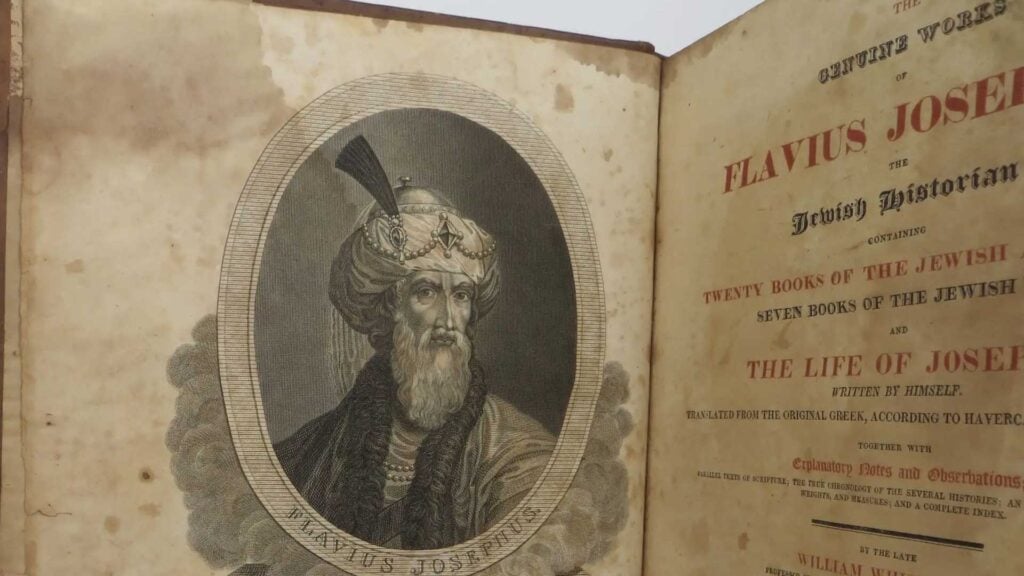
Flavius Josephus wasn’t writing worship songs. He was a respected historian trying to record events of his era. In Antiquities of the Jews, he mentions Jesus in passages scholars have debated for centuries. These references describe Jesus as a wise teacher and the one known as the Christ. That alone shows the name Jesus didn’t only circulate inside house churches. It appeared in the work of a man educated in Roman politics and Jewish culture. Even with arguments over later edits, the core idea remains — Jesus was impactful enough to get his name into historical records.
We Have a Science-Based Look at His Face
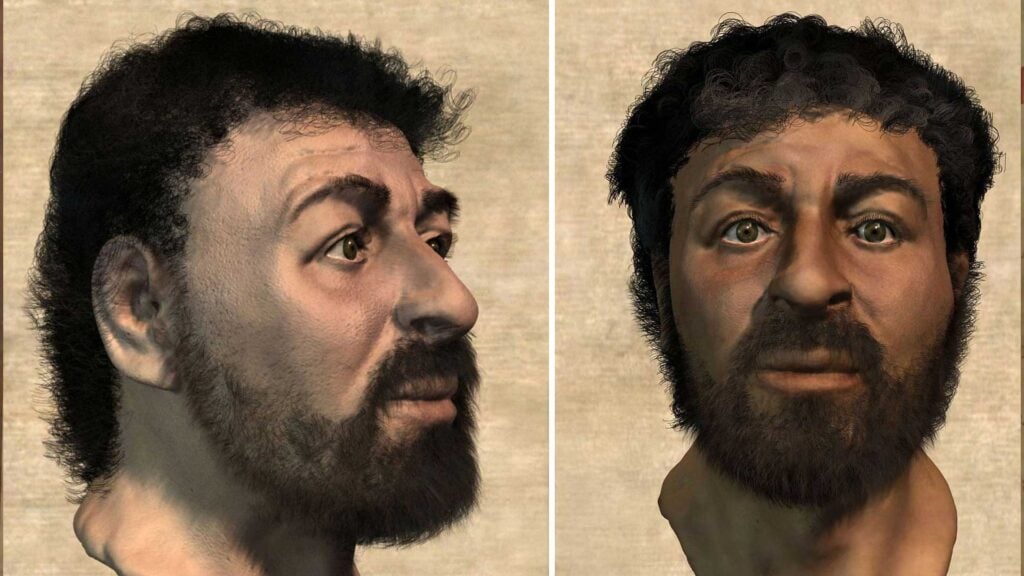
The long-haired European Jesus hanging in old paintings? Probably not close. British forensic specialist Richard Neave reconstructed a man typical of Galilee during Jesus’s time. The result was someone with darker skin, a broader face, and tight curls. Nothing like the blond surfer-messiah seen in Western art. He looked like a Middle Eastern craftsman who sweated under the sun. It doesn’t rewrite faith but does change mental pictures. If Jesus blended into a crowd of working men, it fits well with stories of people asking, “Isn’t this Joseph’s son?”
Jesus Was the Kid Who Asked the Smart Questions

Luke describes young Jesus impressing teachers at the Temple with deep knowledge. While we don’t have his childhood diary, this suggests early education and curiosity. Not the silent background child others ignore. He engaged in scripture debates before turning thirteen. Imagine being one of those teachers, trying to explain something, when this boy fires back with another question that hits harder. Luke’s account paints a picture of someone who didn’t stumble into teaching later. He was already sharpening his thinking while most kids his age were just trying to sneak an extra honey cake.
The People Expected The Messiah To Defeat The Romans

Many at the time believed a Messiah would come and save them from the Roman rule of the time. They expected the Messiah to be a warrior, like David, and fight to destroy their enemies. Instead, Jesus said He came for the hearts of people. Not to overthrow but to fulfil the prophecies about Him. He came to reconcile man to God, not to sit on a throne and rule as a king on Earth.
Christmas Probably Missed His Actual Birthday

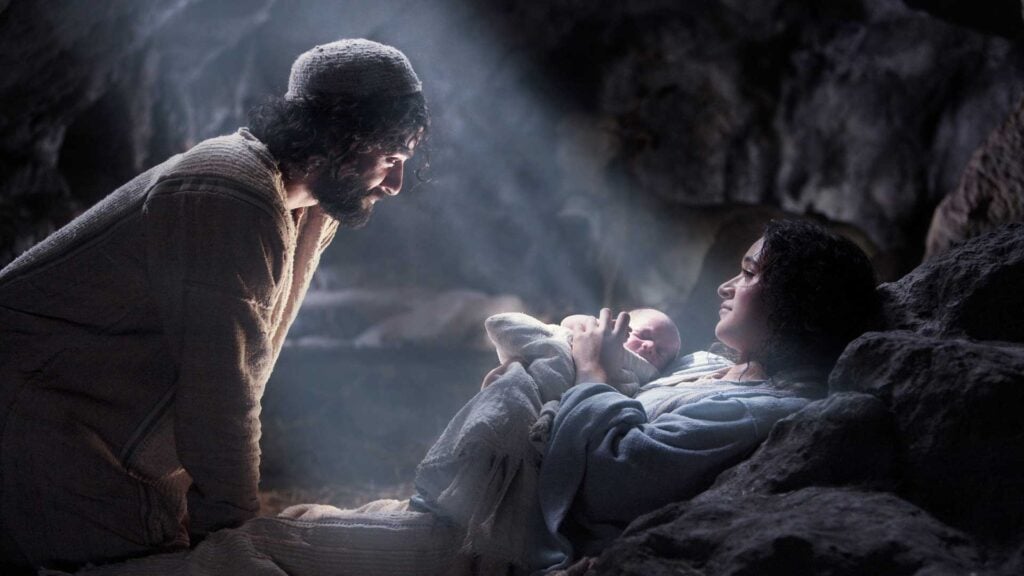
December 25 gives you cozy winter scenes, trees, gifts, and movies with Santa. But researchers believe Jesus’s birth likely happened between May and November based on climate and shepherd activity. Warmer months match biblical clues about sheep out in the fields at night. The December celebration came centuries later for symbolic and calendar reasons. So those nativity scenes in snowfall? Artistic license. Baby Jesus probably arrived during sweaty weather, not frosty breath and snowflakes.
The Wise Men Arrived Fashionably Late

Sorry to every Christmas play ever. If researchers are right, the Magi didn’t show up at the stable the same week Jesus was born. They saw a star, traveled long distance by camel, and likely arrived about two years later. Meaning the gifts for the newborn king were actually toddler-friendly. Also, Mary and Joseph were probably living in a house by then. It doesn’t ruin the story. It just means all those plastic nativity sets condense a much longer timeline into one dramatic night.
The Star May Have Been Saturn and Jupiter

Astronomers think that eye-catching star might not have been a glowing ball only angels could recognize. A rare conjunction of Saturn and Jupiter in 7 BCE over the Pisces constellation could’ve been bright enough to signal something big to sky watchers. The Magi weren’t guessing. They used astronomy like professionals. So if they saw planets lining up, that alone could’ve sparked their long trip west in search of a king.
Nazareth Was a Small Village People Mocked

Nazareth wasn’t a booming city. It was tiny, the kind of place where neighbors know your business before you do. In John’s Gospel, Nathanael even jokes, “Can anything good come from Nazareth?” That’s like someone doubting greatness could arise from a small farming town miles outside major trade routes. Archaeologists confirmed Nazareth existed in Jesus’s time, overturning old claims that it appeared later. It had modest homes, storage pits, and agricultural tools. Think quiet village energy, not royalty beginnings.
Jesus Was Likely a Builder, Not Just a Carpenter
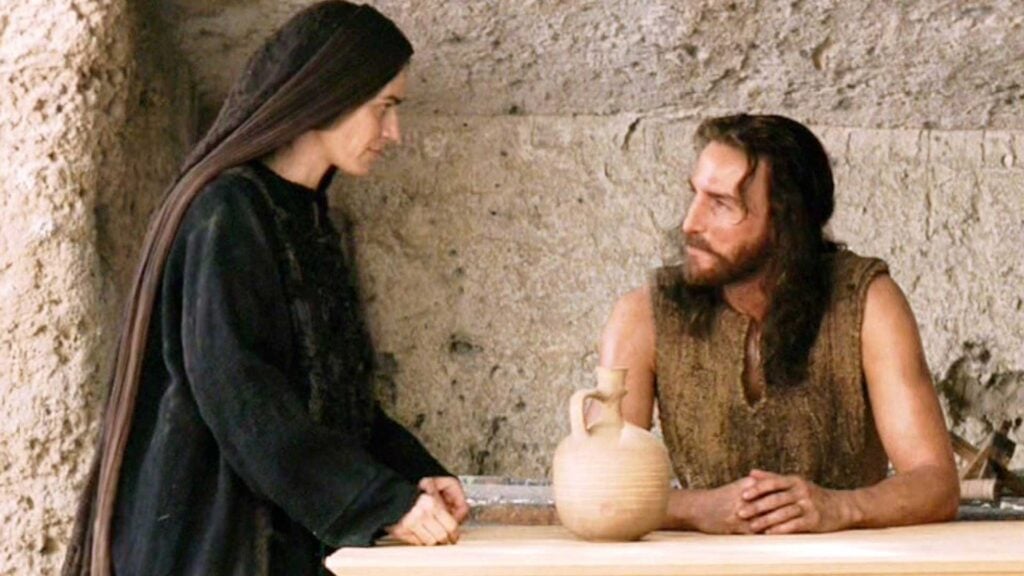
The word “tekton” often becomes carpenter in English, but it really means craftsman who builds with wood, stone, and anything else needed. With massive construction going on in the nearby city of Sepphoris, Jesus probably worked on building projects. More mason than furniture maker. He’d have been physically strong, used to hauling materials, not sitting in a workshop making decorative chairs. Hard labor background? That shifts how we picture him — calloused hands, dusty clothes, and sweat on his brow long before he preached on hillsides.
His Family Probably Had Money

People assume poverty because Jesus was born in a stable. That moment was bad timing, not a reflection of the family’s permanent living standard. A census flooded Bethlehem with travelers and every room was taken. The Bible even mentions a seamless tunic soldiers fought over during the crucifixion; that garment wasn’t cheap. His family traced back to King David too. They weren’t royalty anymore, but they weren’t scraping by either. Jesus came from a household that could afford a comfortable life.
Jewish Purity Culture Shaped His World

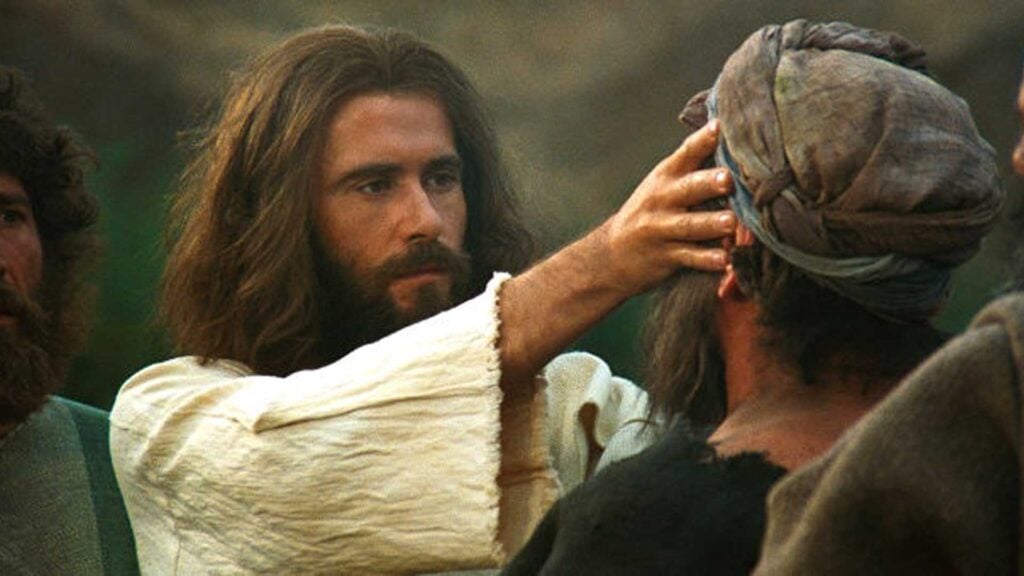
Everyday Jewish life followed strict purity rules. Archaeologists found mikvahs (ritual baths) and stone vessels everywhere. These shaped who people ate with, where they walked, and how they approached gatherings. So when Jesus healed the sick or shared meals with outcasts, he wasn’t just being nice. He was pushing against rules that decided who was welcome and who wasn’t. His actions caused debates because purity wasn’t just personal. It defined social order.
Jesus Was Multilingual
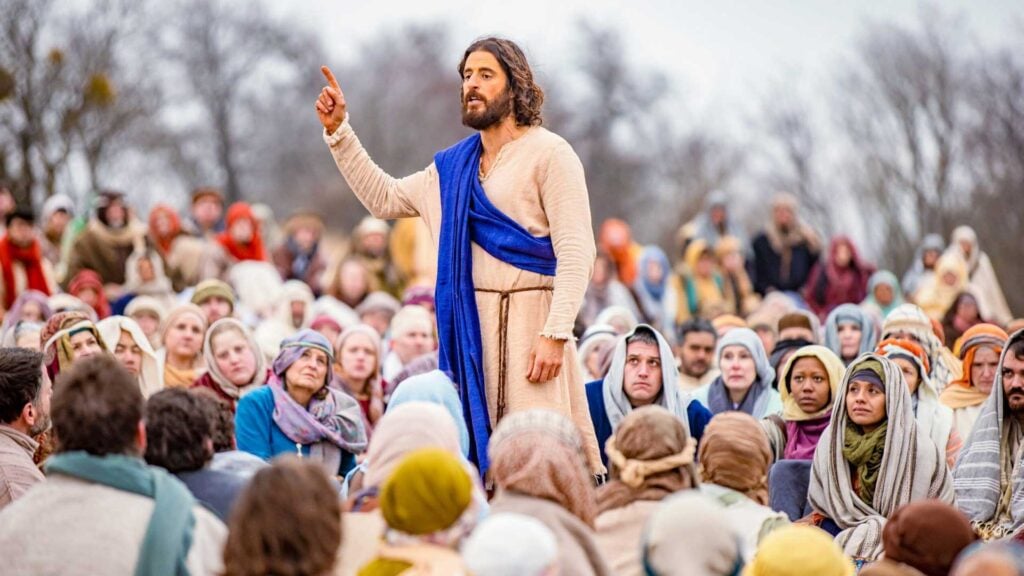
Aramaic was his main language, the everyday tongue of Galilee. Hebrew was used in synagogues, scripture, and formal teaching. Greek came into play through trade and nearby cities like Sepphoris. This multilingual society meant Jesus could connect with Jewish villagers and people shaped by Roman and Greek culture. Speaking to crowds with different backgrounds wasn’t a miracle, just the reality of Galilee’s neighborhood vibes.
Synagogues Were Community Centers He Used
Archaeologists uncovered first-century synagogues in towns across Galilee. These weren’t just religious hot spots; they served as meeting places, teaching spaces, and community hubs. It confirms that when Jesus taught in synagogues, he wasn’t sneaking into holy temples only priests used. He walked into the everyday gathering place where ideas and debates happened. The synagogue network allowed his message to spread village by village faster than if he only preached outdoors.
Rome Used Crucifixion Often

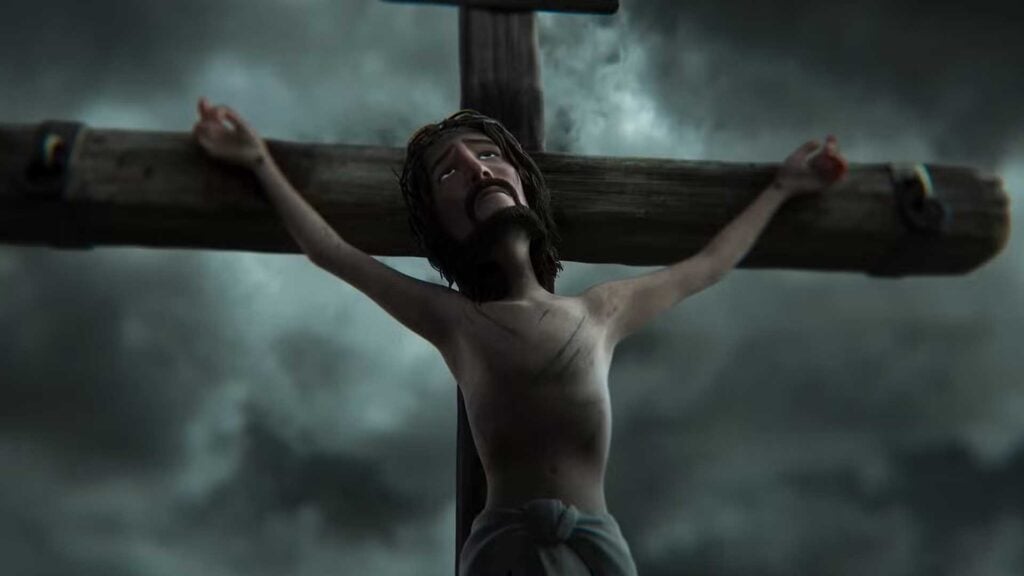
Jesus wasn’t the only one killed on a cross. Crucifixion was the Roman Empire’s statement: “Break the rules and you’ll be displayed where everyone sees the consequences.” Rebels, slaves, anyone who challenged Roman order risked the same fate. Archaeology even found remains of a crucified man named Yehohanan with a nail through his ankle bone. That discovery backs up historical records describing the brutality Jesus faced at the hands of Roman authority.
Pontius Pilate Was Very Real
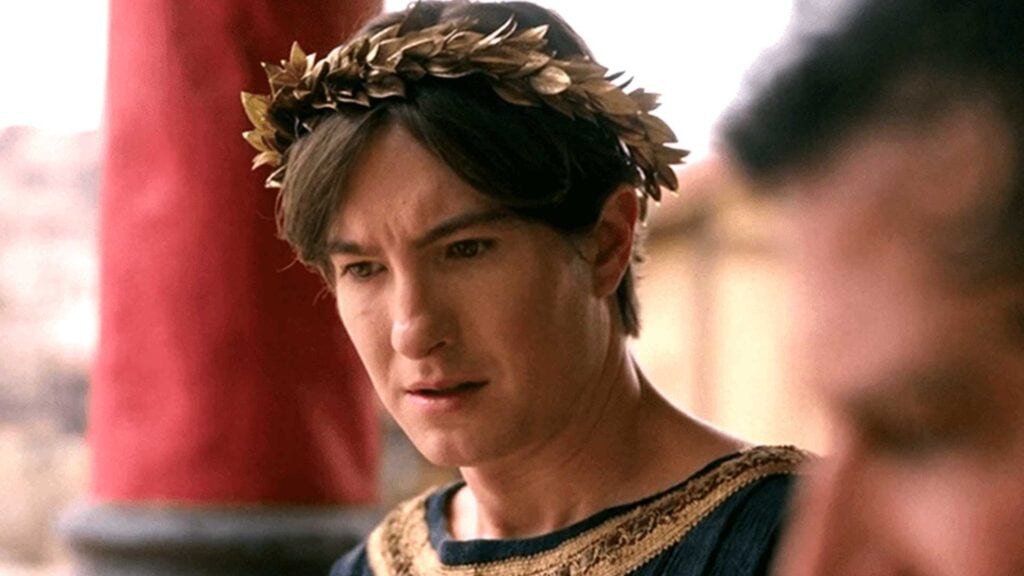
Pilate isn’t a fictional villain created for dramatic narrative. Archaeologists found a stone in Caesarea Maritima with his name inscribed, matching historical documents that describe him as prefect of Judea. He governed the region during Jesus’s adulthood. So when the Gospels describe Pilate questioning Jesus, that lines up cleanly with verified political history. Pilate was a man under pressure to maintain control. Jesus became part of that political storm.
Galilee Was Culturally Mixed, Not a Remote Farm Zone
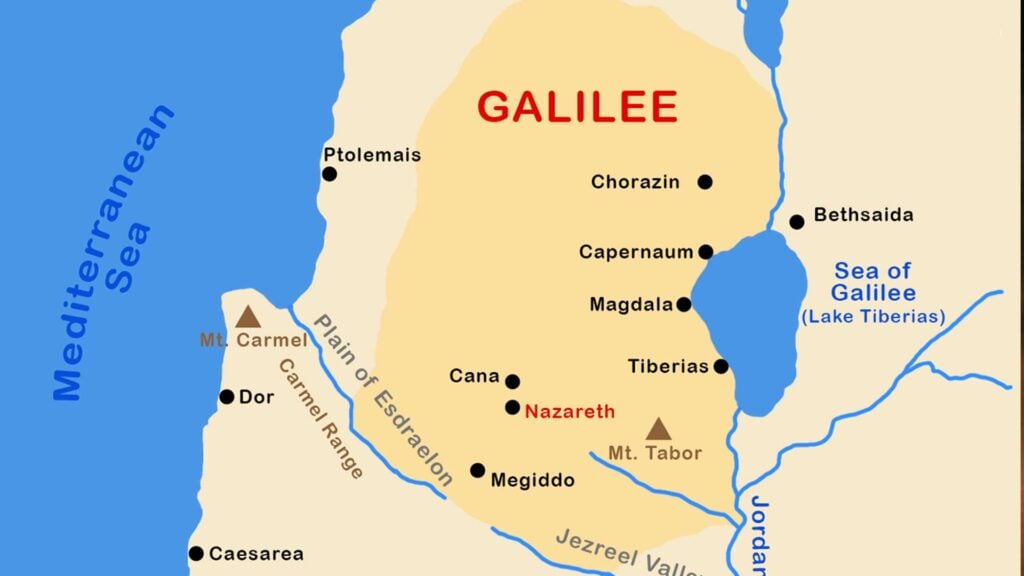
Some assume Galilee was isolated, but digs at cities like Tiberias show theaters, markets, paved streets, and Roman influence everywhere. Jesus lived in a place shaped by trade and different cultures bumping into each other. That background gives context to his teaching style — parables about workers, wages, landowners. He spoke the language of everyday life in a place linked to the empire, not cut off from it.
John the Baptist Is Historically Confirmed
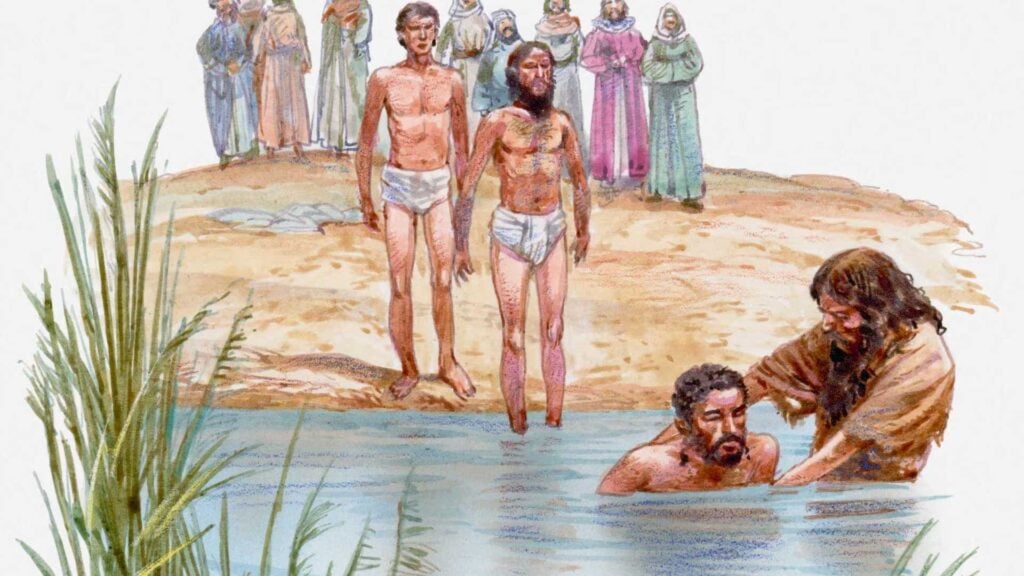
Josephus wrote about John the Baptist, describing him as a powerful religious figure who attracted huge crowds. His execution by Herod Antipas wasn’t just a Bible story. It appeared in secular history too. That means Jesus entered a world where charismatic preachers and prophets were already stirring hope and anxiety. His connection to John places Jesus within a documented spiritual movement growing under Roman rule.
Burial Customs Match the Gospel Story
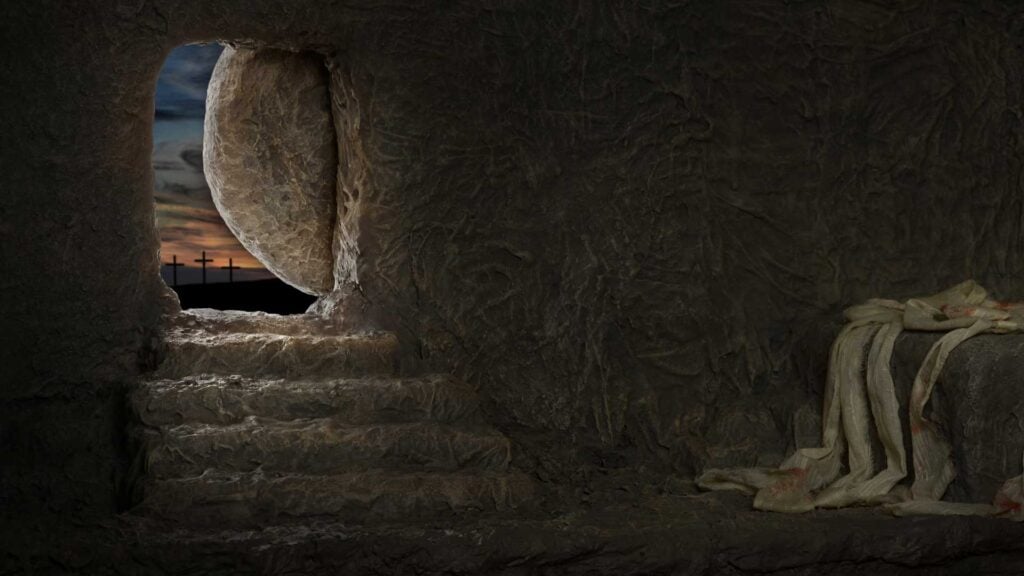
Jewish burials involved rock-cut tombs, family chambers, and ossuaries used to store bones later. Archaeologists found lots of these around Jerusalem. The descriptions of Jesus being buried in a tomb fit perfectly within common customs of the time. People prepared bodies with care and placed them behind rolling stones. When the Gospels mention women going to the tomb after his death, that’s exactly how communities honored loved ones.
Early Christians Show Up in Roman Records Fast
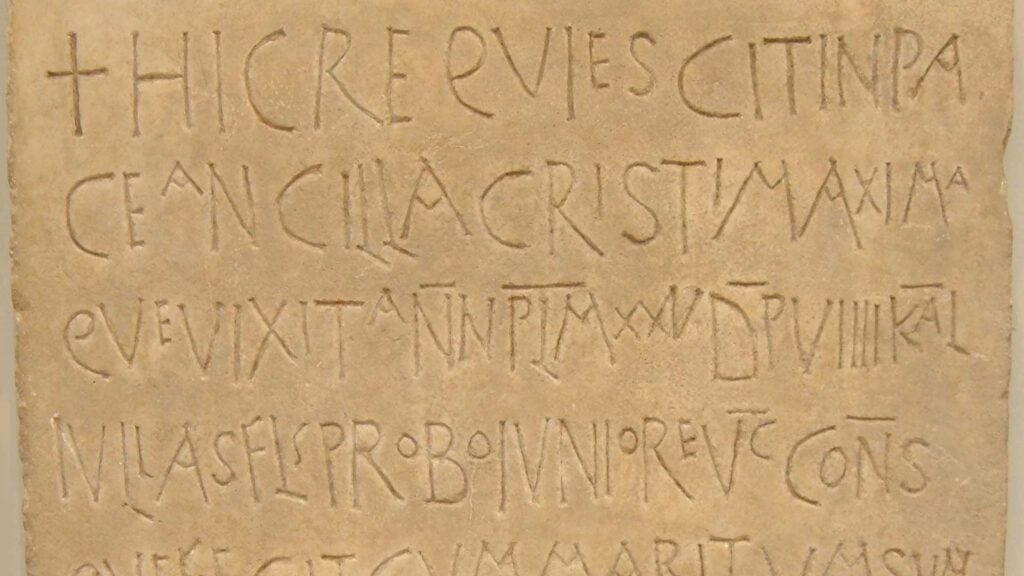
Tacitus and Pliny the Younger wrote about followers of Jesus spreading through the empire within decades of his death. That’s quick for a new movement without weapons, wealth, or political backing. These records prove the Jesus movement wasn’t invented centuries later. People already organized around his teachings while memories of his life were fresh.
Prophecies About a Messiah Started Way Earlier

Long before Jesus, the Old Testament included multiple predictions about a coming savior. Christians believe Jesus lines up with these prophecies. For example, Genesis 3:15 hints at someone born from a woman who would defeat evil. When Galatians 4:4 says Jesus was “born of a woman,” believers see that as a direct echo. Whether symbolic or literal, these connections shaped how Christians understood Jesus from day one.
Bethlehem Was Predicted as His Birthplace
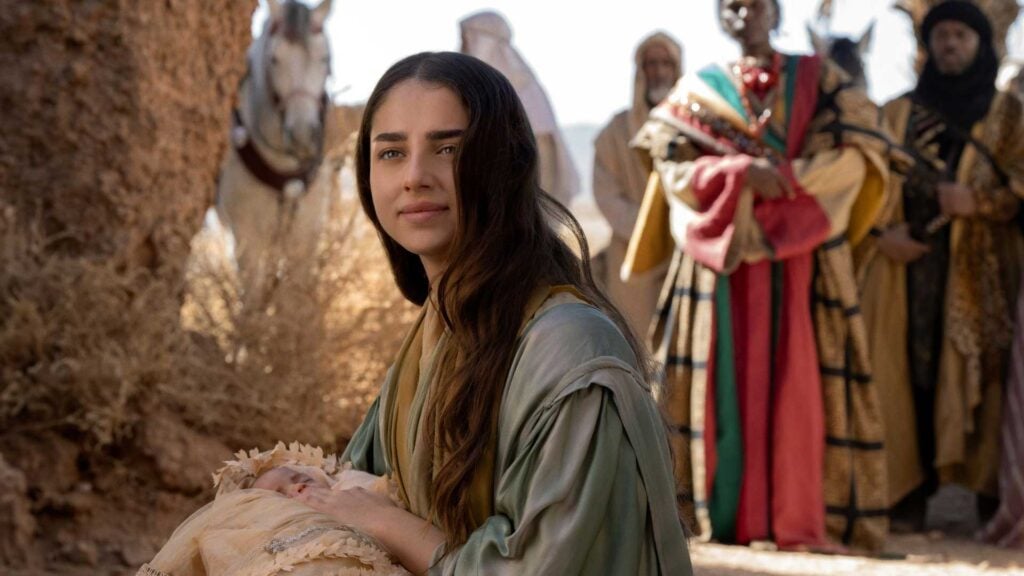
Micah 5:2 named Bethlehem Ephrathah as the home of a future ruler from ancient origins. Matthew and Luke confirm Jesus was born there. That’s why Christians list Bethlehem on the Messiah checklist. It wasn’t just a random location. It tied Jesus to Jewish prophecies known long before shepherds arrived with wide eyes.
The Virgin Birth Story Had Scriptural Roots

Isaiah 7:14 described a virgin giving birth to a son. Christians point to Matthew and Luke to claim this prophecy landed on Mary. Scholars debate meanings and how ancient translations handled the word “virgin,” but the belief remains central. The prophecy sets Jesus apart right from the beginning of his story.
Jesus’s Lineage Traced Through Abraham
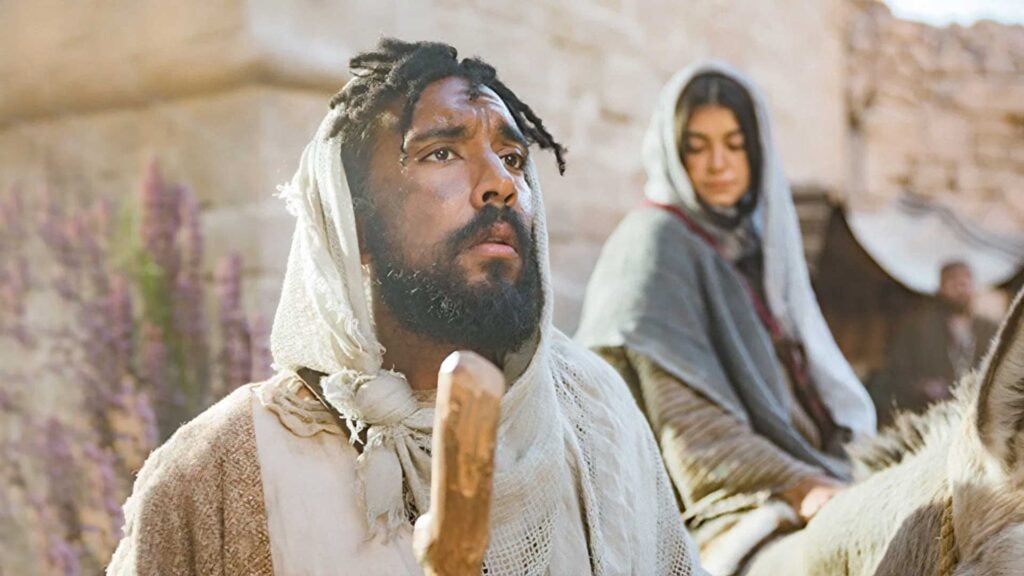
Genesis 12:3 speaks about Abraham’s offspring blessing all nations. Matthew 1:1 opens by linking Jesus to Abraham’s family tree. Romans 9:5 repeats the connection. For Christians, this shows Jesus didn’t appear out of nowhere. He arrived inside a story that started long before Rome even existed.
Isaac and Jacob Still Matter in His Ancestry
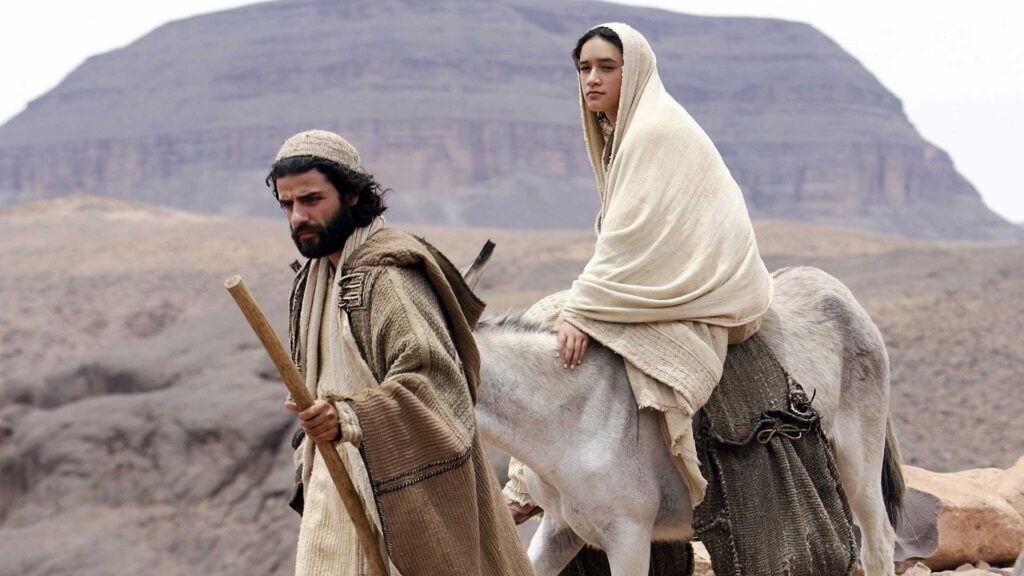
Genesis promised an everlasting covenant through Isaac. Luke 3:34 continues the family roll call all the way to Jesus. The idea is simple: if the Messiah comes from a specific ancestral line, Christians believe Jesus checks that requirement cleanly. It’s part genealogy, part theological argument.
Judah’s Royal Line Was Part of the Equation
Genesis 49:10 predicted rulers would come from Judah. Luke 3:33 confirms Jesus as a descendant of Judah. Later writings like Hebrews 7:14 reinforce that same connection. For believers, this creates a royal thread linked to prophecies that defined Jewish expectations about the future king.
King David Was in His Family Tree

2 Samuel 7 said someone from David’s line would reign over a lasting kingdom. Isaiah 9 repeated that theme. Luke and Romans claim Jesus inherited David’s lineage. Christians argue that this isn’t coincidence. It frames Jesus as heir to a promise people held onto through centuries of political collapse and foreign domination.
The Egypt Escape Story Was Predicted

Hosea 11:1 says, “Out of Egypt I called my son.” Matthew applies it to Jesus when Mary and Joseph fled with him to avoid Herod’s violence. Whether symbolic or literal fulfillment, Christians saw it as another strong link between prophecy and Jesus’s early life.
Herod’s Violence Also Appears in Prophecy

Jeremiah 31:15 described grieving parents mourning lost children. Matthew connects that to Herod’s order to kill young boys in Bethlehem. Historical or theological interpretation aside, the story highlights a harsh truth. Jesus entered a world where political fear could turn deadly fast.
A Voice in the Wilderness Prepared the Way

Isaiah 40 spoke of a voice calling out to prepare God’s path. Luke 3 portrays John the Baptist doing just that with baptism for repentance. Jesus didn’t start from silence. He stepped into a movement already stirring, one that called people to rethink life and faith.
Rejection Was Always Part of the Prediction

Psalm 69 and Isaiah 53 describe a figure rejected by others. John 7:5 notes Jesus’s own brothers didn’t believe in him early on. Rejection wasn’t a plot twist. It aligned with scripture Christians saw unfolding right in front of them.
He Would Be a Prophet People Should Listen To

Deuteronomy 18:15 promised a prophet from among the people. Acts 3 argues Jesus fits that role. His teaching didn’t sound like recycled wisdom. It sparked strong reactions because he challenged power structures straight to their faces.
God Publicly Called Him “My Son”

Psalm 2:7 includes a divine declaration of sonship. Matthew 3 describes a voice from Heaven at Jesus’s baptism saying, “This is my Son, whom I love.” In Christian belief, this wasn’t metaphor. It was identity.
He Was Described as Light for People in Darkness
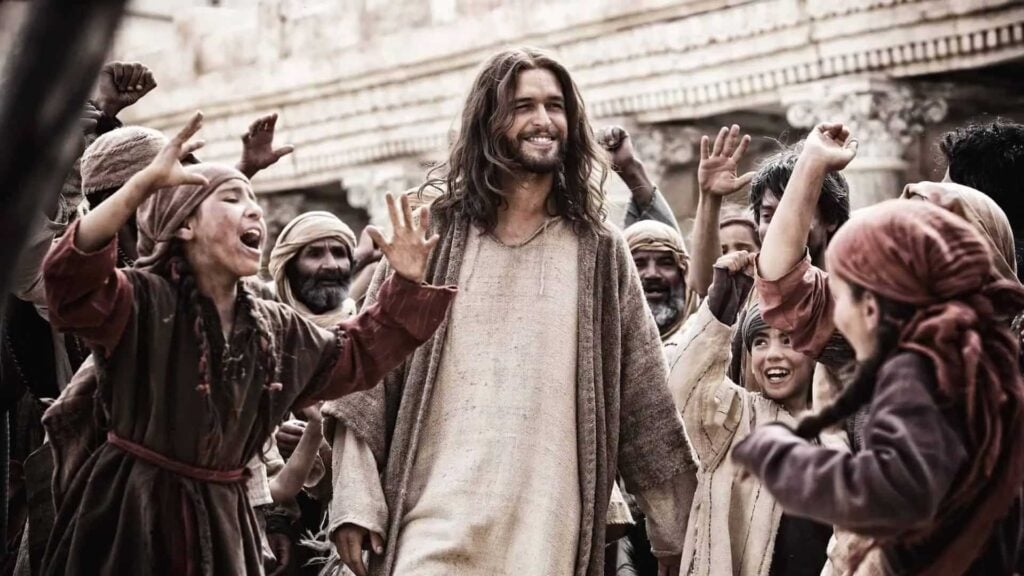
Isaiah 9 spoke of people seeing a great light. Matthew 4 connects that message to Jesus’s early ministry in Galilee. His teachings focused on hope for people who felt forgotten or overlooked by society’s hierarchy.
Parables Were Foretold Too

Psalm 78 predicted someone speaking in parables. Jesus’s habit of storytelling in Matthew 13 fulfilled that expectation perfectly. His parables weren’t soft bedtime tales. They hit people hard with truth wrapped inside everyday scenarios like farming and business.
He Reached the Brokenhearted On Purpose

Isaiah 61 describes someone healing the hurting. Luke 4 has Jesus reading that exact passage and saying it applies to him. He didn’t seek out popular crowds. He looked for the ones society avoided.
His Priesthood Was Different from Temple Tradition

Psalm 110 mentions a priest forever in the order of Melchizedek. Hebrews 5 applies that priesthood to Jesus, presenting him as mediator through sacrifice rather than temple ceremony. It wasn’t religion by appointment. It was a direct path to God.
Judas’s Betrayal Was Predicted

Psalm 41:9 talks about a close friend turning against someone. Zechariah describes betrayal for silver. The Gospels show Judas doing exactly that. Betrayal isn’t only personal hurt here. It’s part of a larger story Christians believe scripture foresaw.
False Testimonies Were Expected

Psalm 35 mentioned ruthless witnesses lying. Mark 14 describes people making false claims during Jesus’s trial. When leaders wanted him gone, accuracy wasn’t their priority. They needed something to justify the outcome already planned.
Violence and Mocking Were Already Written About

Isaiah 50 spoke of spitting and striking. Matthew 26 shows soldiers doing those exact things. Jesus’s suffering wasn’t random brutality to Christians. It followed a pattern long anticipated in scripture.
He Was Surrounded by Enemies Without Cause

Psalm 69 describes hatred without reason. John 15 tells the story of Jesus facing that reality. Standing against injustice can make enemies fast, especially when exposing hypocrisy.
Executed Among Criminals Just Like Isaiah Said
Isaiah 53 mentioned someone counted among transgressors. Matthew 27 highlights the two rebels crucified with Jesus. Rome didn’t line him up with respected teachers. They grouped him with criminals — a statement of how they viewed anyone challenging their rule.
The Gall and Vinegar Were in Scripture First
Psalm 69 said, “They put gall in my food and gave me vinegar for my thirst.” Gospel writers recorded soldiers offering Jesus sour wine during crucifixion. Small detail, strong connection.
Piercing Was Predicted Too

Psalm 22 and Zechariah refer to pierced hands and feet. John 20 tells Thomas to inspect the wounds. Christians see this as predictive alignment long before crosses stood on Roman hillsides.
Buried With the Rich
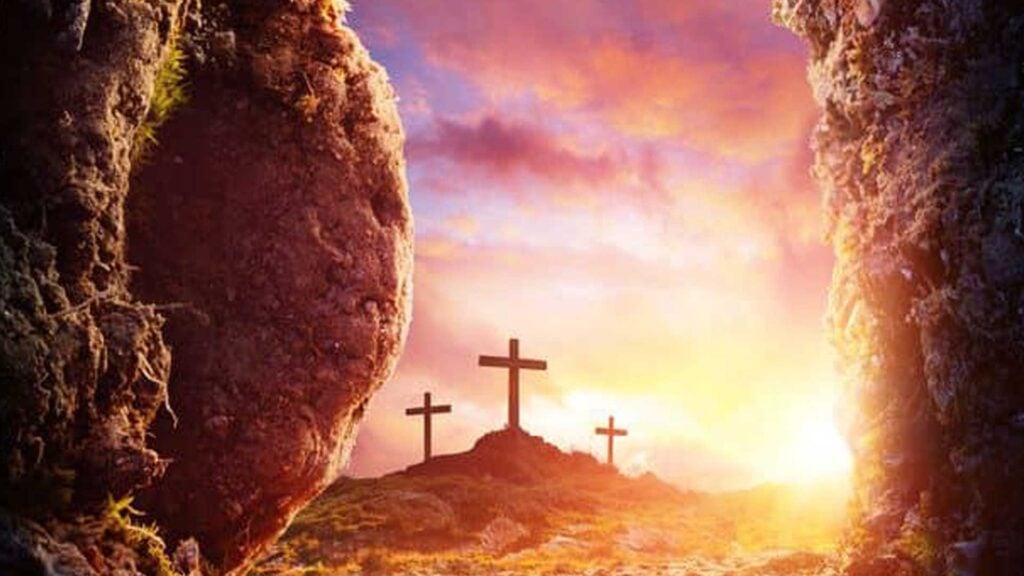
Isaiah 53 said a grave with the rich. Matthew 27 shows Joseph of Arimathea, a wealthy man, placing Jesus in a new family tomb. Even in death, details matched expectations held for generations.
Resurrection Wasn’t an Afterthought
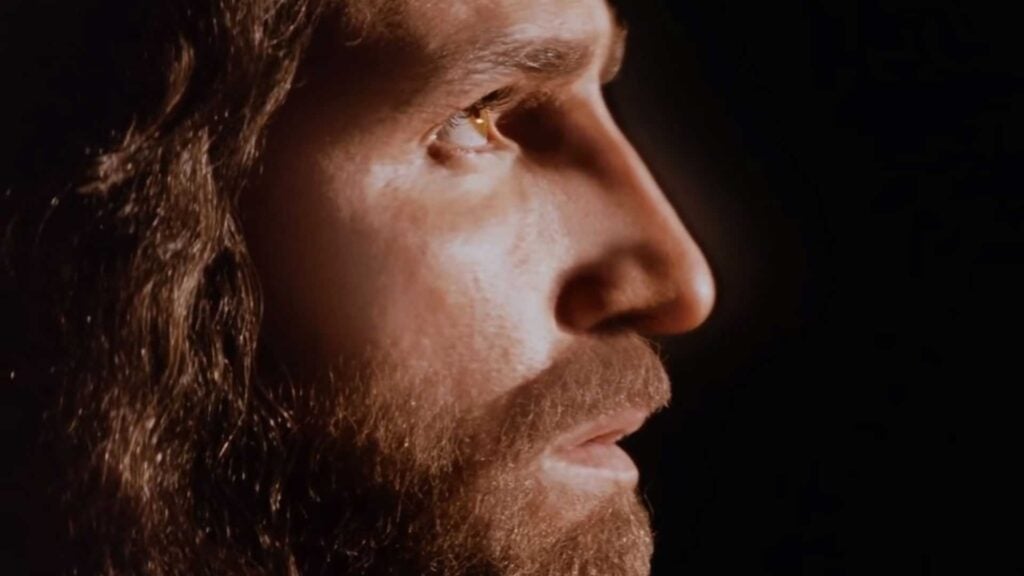
Psalms 16 and 49 hinted at someone not left to decay. Matthew 28 and Acts 2 describe the resurrection as fulfillment of scripture. To Christians, rising wasn’t a surprise twist. It was planned.
Ascension Was in Scripture as Well
Psalm 24 and 110 describe elevation and authority. Mark and Luke record Jesus ascending to Heaven. Christians view it as proof of his role continuing, not ending at the tomb.
He Carried Only Part of the Cross
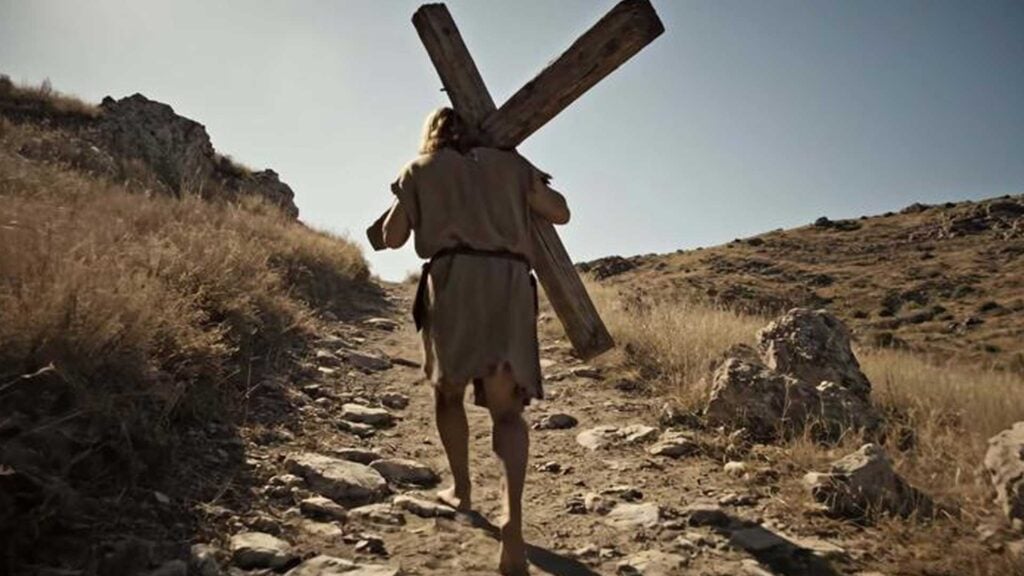
Movies show Jesus dragging an entire cross. Evidence suggests he carried only the horizontal beam, the patibulum, weighing about 60 pounds. Still awful. Soldiers made sure the condemned struggled under public humiliation. The vertical posts likely stood permanently at execution sites.
Nails Went Through Wrists, Not Hands

If nails went through the palms, the body might tear free. Romans weren’t experimenting. They knew anatomy well enough to secure wrists to support full weight. This detail aligns with what archaeology discovered from other crucifixions.
His Death Happened Fast By Crucifixion Standards

Crucifixion could drag on for days as victims died slowly. Jesus’s death around six hours after being nailed up was quicker than expected. Biblical timing places it roughly between 9 a.m. and 3 p.m. Historians believe the year was either 30 or 33 CE, with evidence pointing toward 33 CE due to clues involving Pilate and Tiberius.
Was Jesus Just A Celebrity?
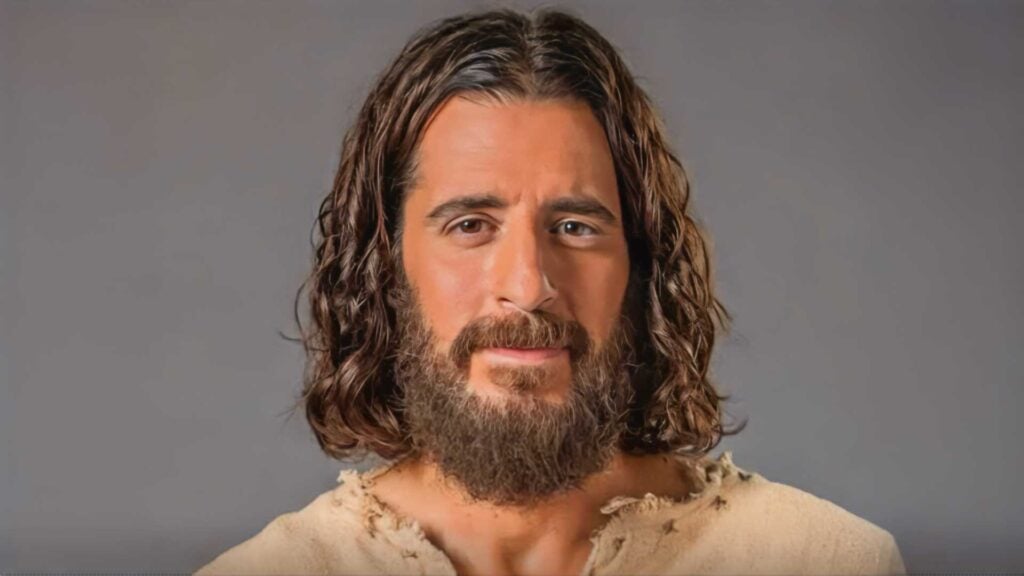
If Jesus were only famous, history would’ve moved on. First-century Judea produced plenty of loud voices, miracle-claimers, and public figures who pulled crowds. Most vanished without a footnote. Jesus didn’t. He left no writings, held no office, and owned no property, yet his execution didn’t end the conversation. It started one. Roman historians noticed his followers within decades. Jewish leaders debated him long after his death. Entire belief systems formed around his words, not his image. Celebrities fade when attention shifts. Jesus kept shaping law, ethics, worship, and identity across cultures for two thousand years. That kind of influence isn’t fame. It’s endurance.
RELATED: 10 Famous Actors Who Aren’t Ashamed Of Their Christian Faith & Belief in God