


A history course at the University of Nottingham has managed to drag J. R. R. Tolkien’s The Lord of the Rings into a culture war no one saw coming in 2025. The module, titled Decolonising Tolkien et al, argues that the author built racial bias into Middle-earth itself. Of course, the students, fans, and a few academics have not taken that quietly.
The course is led by historian Dr Onyeka Nubia, who teaches that Tolkien’s moral divide between light and dark mirrors older Western ideas about race. The argument is blunt. Lighter-skinned characters in the West of Middle-earth are framed as noble. Darker-skinned groups from the East are cast as villains. Orcs, Easterlings, Southrons, the men of Harad. All rolled into what the course materials describe as a tradition of “anti-African antipathy,” even claiming Africans were often framed as “the natural enemy of the white man.”
Of course that framing has set students off. According to RadarOnline, one described it as ideology stapled onto a fantasy epic people grew up loving. Another said the pressure to accept the interpretation felt baked into assessments.
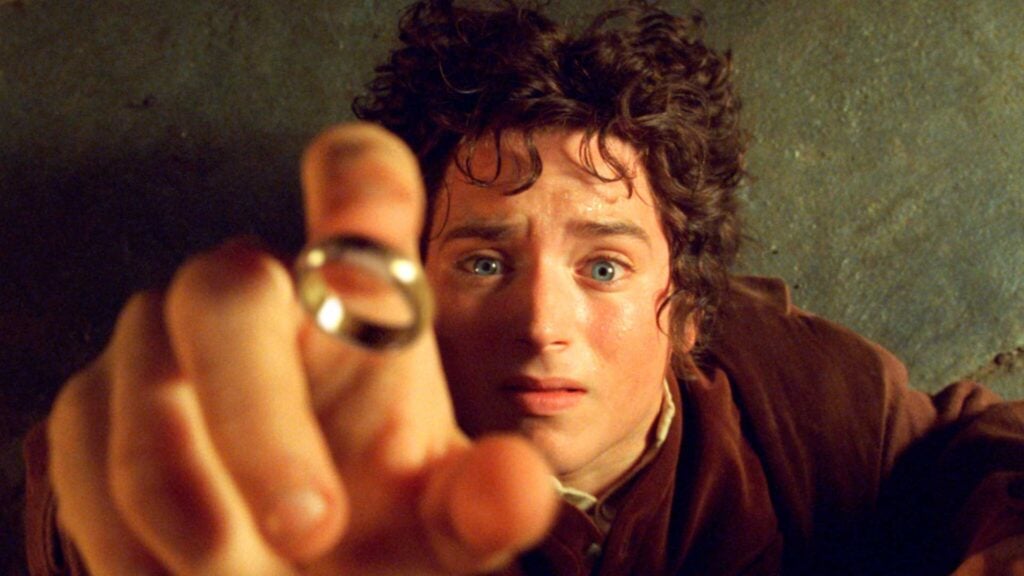
One academic source didn’t mince words, calling the idea of labeling Tolkien anti-African “ridiculous” and a misunderstanding of genre. Tolkien wrote a mythic struggle between good and evil, not a sociology paper. Context matters. So does authorial intent. Tolkien, who died in 1973 at age 81, openly opposed Nazi racial theories and colonial thinking during his lifetime.
The course doesn’t stop with Tolkien. C. S. Lewis gets similar treatment, with The Lion, the Witch and the Wardrobe cited for its Calormen, described as cruel and dressed in turbans. William Shakespeare is also pulled in, accused of presenting a mono-ethnic England by omission. These arguments echo debates from London’s Globe Theatre in 2021, where scholars highlighted Shakespeare’s language of dark and light as loaded.
Of course, this isn’t the first time Tolkien’s The Lord of the Rings has sparked debate about racism. Amazon Prime Video’s Rings of Power was under fire a few years ago when they cast black actors in some of the roles. Some fans believed this wasn’t appropriate and argued that it was part of “woke” culture.
Here’s the tension you’re left with. Literature invites scrutiny. It also invites imagination. When fantasy worlds become political tests, readers start wondering whether analysis has replaced appreciation. Middle-earth survived world wars, academic trends, and decades of debate. The question is whether it needs to survive this one, or whether the real fallout is happening in lecture halls, not libraries.
RELATED: The Lord of the Rings’ Elijah Wood Surprises Couple by Crashing Their Wedding in The Shire