
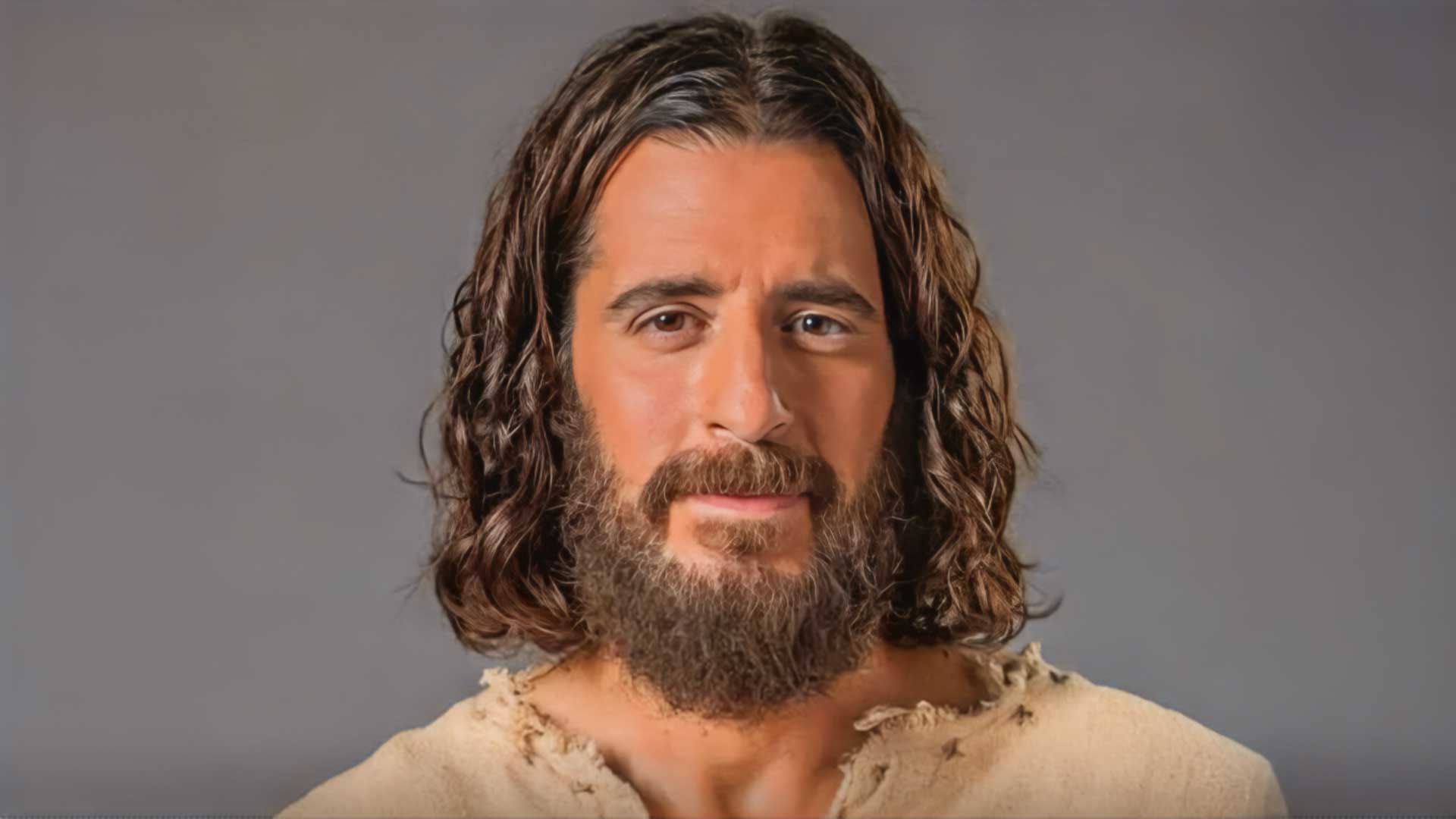


You don’t have to read far into the Bible to realise something unusual is going on with Jesus. Beyond the miracles and the teaching, there’s another thread running through the Gospels: predictions. Not vague guesses or poetic riddles, but very specific statements about what would happen next. And according to the same texts, many of those predictions played out exactly as he said.
Jesus Said His Words Would Outlast Everything—and They Did
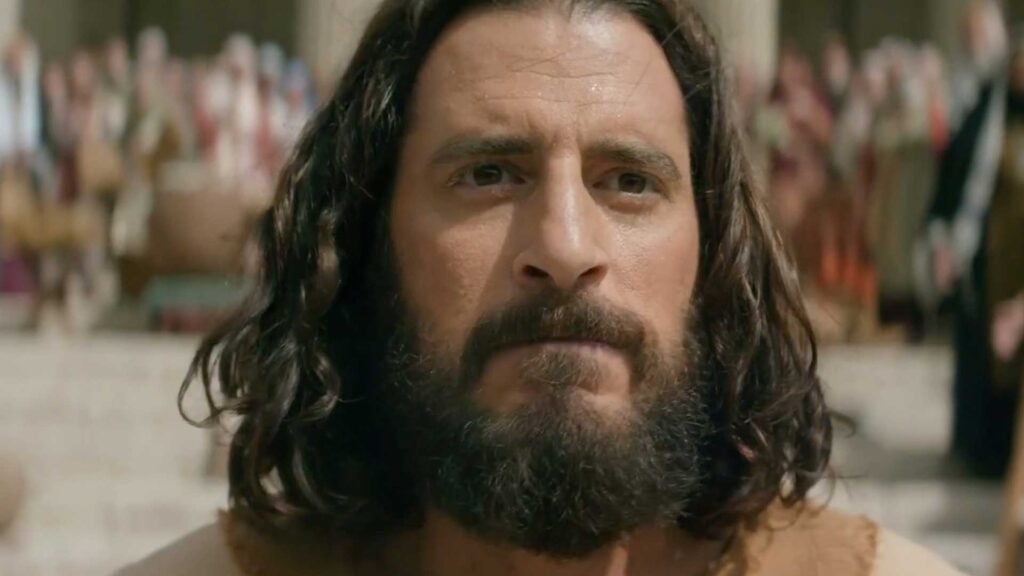
You don’t open the Bible expecting bold claims about eternity in the first few pages of Jesus’ teachings, yet there it is. In Matthew 24:35, he says, “heaven and earth will pass away, but my words will by no means pass away.” It sounds dramatic until you realise people are still quoting those exact words over 2,000 years later. Entire belief systems, debates, books, and sermons still orbit around what he said. You might not agree with all of it, but the staying power is undeniable.
The Moment Mary of Bethany Was Criticised Became a Story Told Worldwide

At first, it looked like a social misstep. Mary of Bethany pours expensive oil on Jesus, and the room gets awkward fast. The disciples complain. Jesus doesn’t. Instead, he makes a prediction: “wherever this gospel is preached in the whole world, what this woman has done will also be told as a memorial to her” (Matthew 26:10–13). That one moment, criticised in real time, is now recorded, retold, and studied across continents. Not bad for something that started as a dinner table disagreement.
Jesus Called Out His Own Betrayal Before It Happened
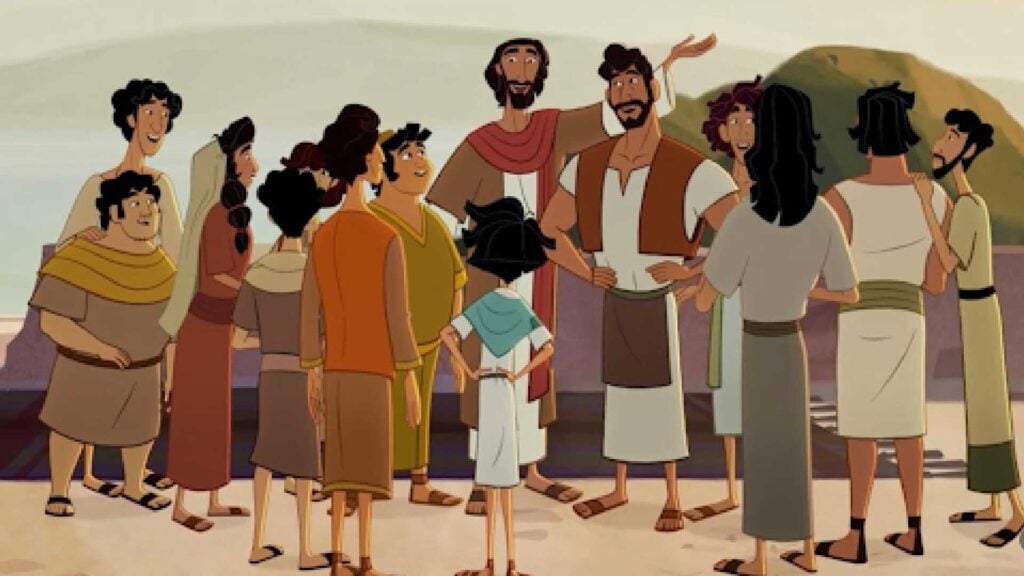
Imagine sitting at dinner and someone calmly says one of you is about to betray them. That’s exactly what happens in Matthew 26:21-22: “Truly I say unto you, that one of you shall betray me.” The reaction? Panic. Everyone starts asking, “Is it me?” According to the account, it’s Judas Iscariot who follows through, leading a crowd and identifying Jesus with a kiss. It’s one of those moments where the prediction lands with uncomfortable precision.
Every Disciple Walking Away Was Predicted in Advance
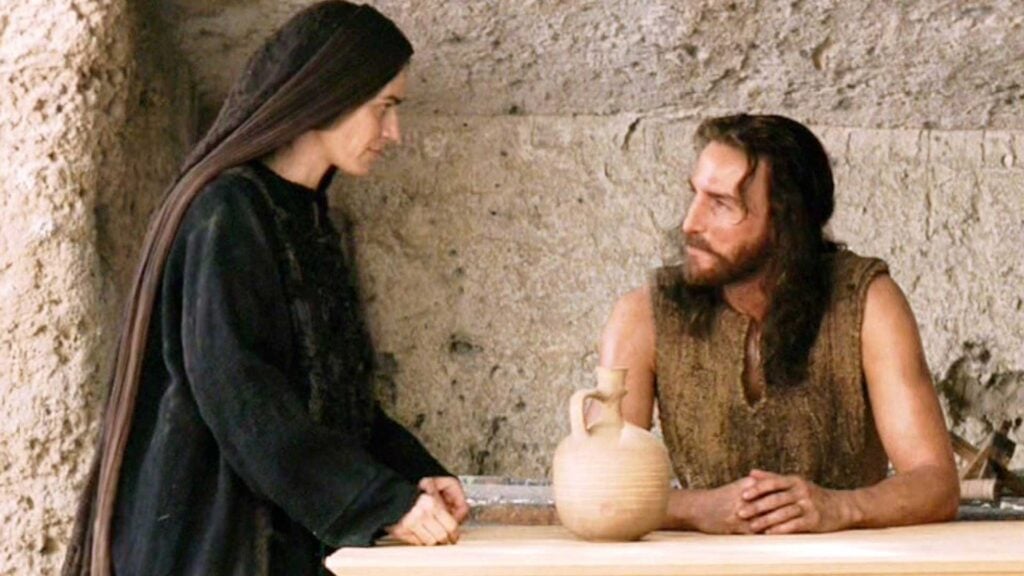
Loyalty gets tested quickly. Jesus tells his followers, “This very night you will all fall away on account of me” (Matthew 26:31-32). Bold claim, especially with a group that insists they’ll stick by him no matter what. But when the arrest happens, the story doesn’t sugarcoat it: “Then all the disciples deserted him and fled” (Matthew 26:56). No heroic last stand. Just fear taking over.
Peter’s Three Denials Played Out Exactly as Jesus Said

Peter was confident. Too confident. When Jesus tells him, “before the rooster crows, you will disown me three times” (Matthew 26:33-34), Peter pushes back hard. He insists he’ll never do it. A few hours later, under pressure, he denies knowing Jesus. Once. Twice. Three times. Then the rooster crows. Matthew 26:74-75 captures the moment Peter realises what just happened. It’s uncomfortable because it feels real. People say things they believe in the moment. Then reality hits.
Religious Leaders Bringing Suffering Was No Surprise to Jesus
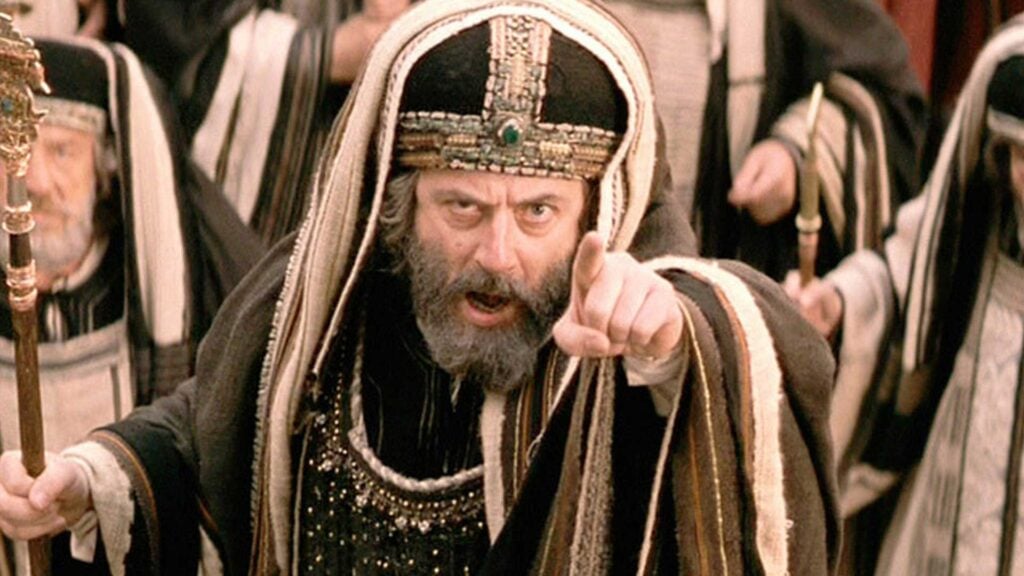
Jesus doesn’t frame his future in vague terms. In Matthew 16:21, he lays it out: he will go to Jerusalem, suffer at the hands of religious leaders, be killed, and rise again. That suffering shows up in Luke 22:63-65, where guards mock and beat him while demanding he “prophesy.” It’s not symbolic. It’s physical and public. The kind of detail that’s hard to ignore when you read both the prediction and the follow-through side by side.
His Death in Jerusalem Happened Just as He Foretold
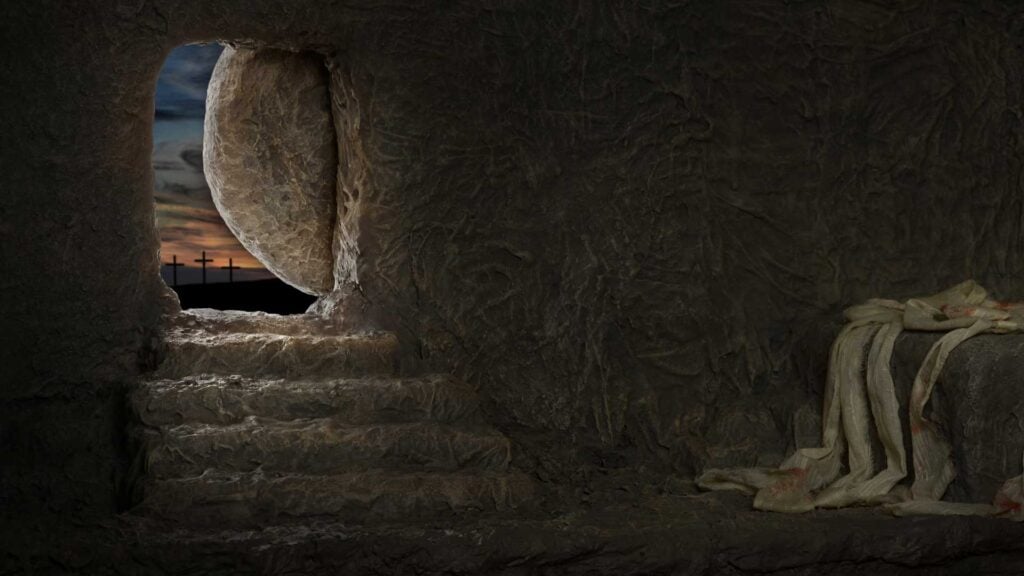
Location matters, and Jesus names it ahead of time. Jerusalem. That’s where he says it will happen, and that’s where it does. Mark 15:40-41 places the crucifixion there, with witnesses watching from a distance. This wasn’t a vague “somewhere down the line” statement. It was specific, and the narrative sticks to it.
Crucifixion and Passover Timing Matched His Exact Words
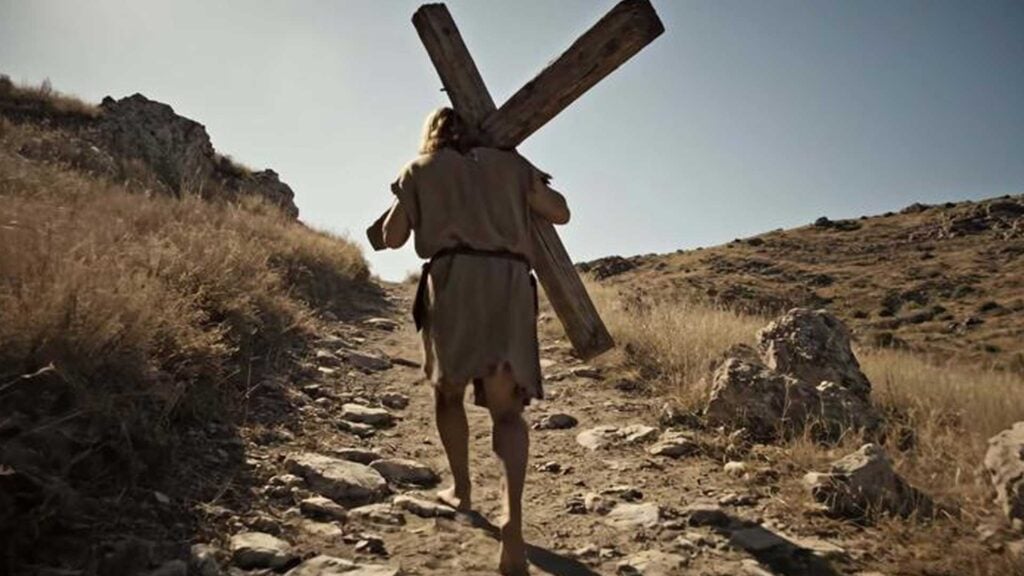
Jesus doesn’t just predict his death, he calls the method and the timing. “The Son of Man will be delivered up to be crucified” (Matthew 26:2). Later, Mark 15:25 confirms it: “And it was the third hour, and they crucified him.” He also ties it to Passover (Matthew 26:1-2), and John 19:14-16 places the event right during that period. Method, place, and timing all line up in a way that feels more like a script than a coincidence.
The Three-Day Resurrection Claim Became the Core of the Story

Then comes the statement that still divides opinion today. “Destroy this temple, and in three days I will raise it up” (John 2:18-19). After his death, the Gospels say the tomb is found empty. “He is not here: for he is risen, as he said” (Matthew 28:6). Whether you read that as history or belief, the narrative treats it as the turning point. It’s the moment everything hinges on.
The Fall of Jerusalem and the Temple Fulfilled a Chilling Warning
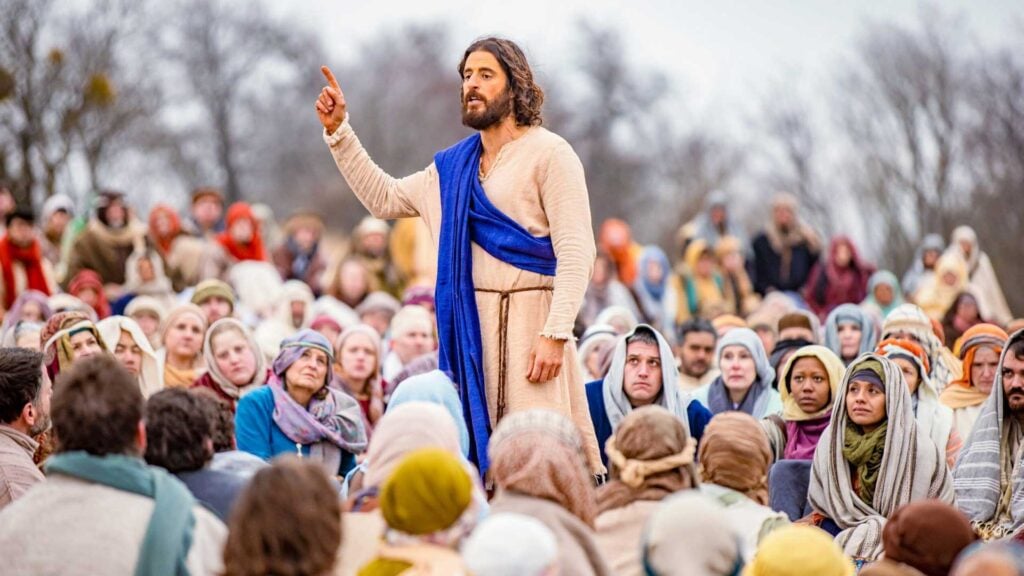
Jesus doesn’t stop at his own life. In Luke 19:43-44, he describes Jerusalem being surrounded and destroyed. Around 70 CE, Roman forces do exactly that. He also predicts the temple’s destruction: “not one stone shall be left here upon another” (Matthew 24:1-2). History records that the temple was torn down during the same siege. He even speaks about people being scattered across nations (Luke 21:24), something that became part of Jewish history for generations.
Read all of this together and you start to see why these passages keep getting revisited. Some predictions feel personal. Others stretch across decades. All of them are recorded with a level of detail that keeps the conversation going long after the events themselves.
RELATED: An Ancient Letter From Flavius Josephus Reveals That Jesus Was Real