

Alyson Stoner was nine years old when a wardrobe assistant told them their leg hair was “dirty and unladylike.” Shorts were off-limits until it was removed. At nine. That moment flipped a switch. Stoner started seeing their body as a project to manage instead of something that belonged to them. Control it. Fix it. Shape it. All for an industry standard no child should ever carry.
By then, Stoner was already deep in the system. Disney shows, Cheaper by the Dozen, music videos, rehearsals, adults calling the shots. You do what you’re told. You smile. You keep moving. As a teen, that pressure turned into punishing workouts and dangerous diets. Their body eventually forced the issue. Inpatient treatment followed.
Now 32, Stoner looks back with clarity and some hard-earned bite. Their memoir, Semi-Well-Adjusted Despite Literally Everything, maps what they call the “toddler to train-wreck pipeline.” Child stardom promises everything early and demands even more. You’re expected to cry on cue, grow up on schedule, and stay marketable while your sense of self barely exists. Failures arrive before primary school ends. Success still doesn’t save you.
Stoner grew up in Toledo, Ohio, the youngest of three, obsessed with performing. They once staged Grease numbers for classroom pets. Cute. Harmless. Then Hollywood showed up. A move to Los Angeles followed. Endless auditions. Acting classes that pushed real pain for realism. Imagine being seven and praised for reenacting terror. Stoner was. Over time, their emotions shut down. Later, therapy gave it a name: alexithymia.
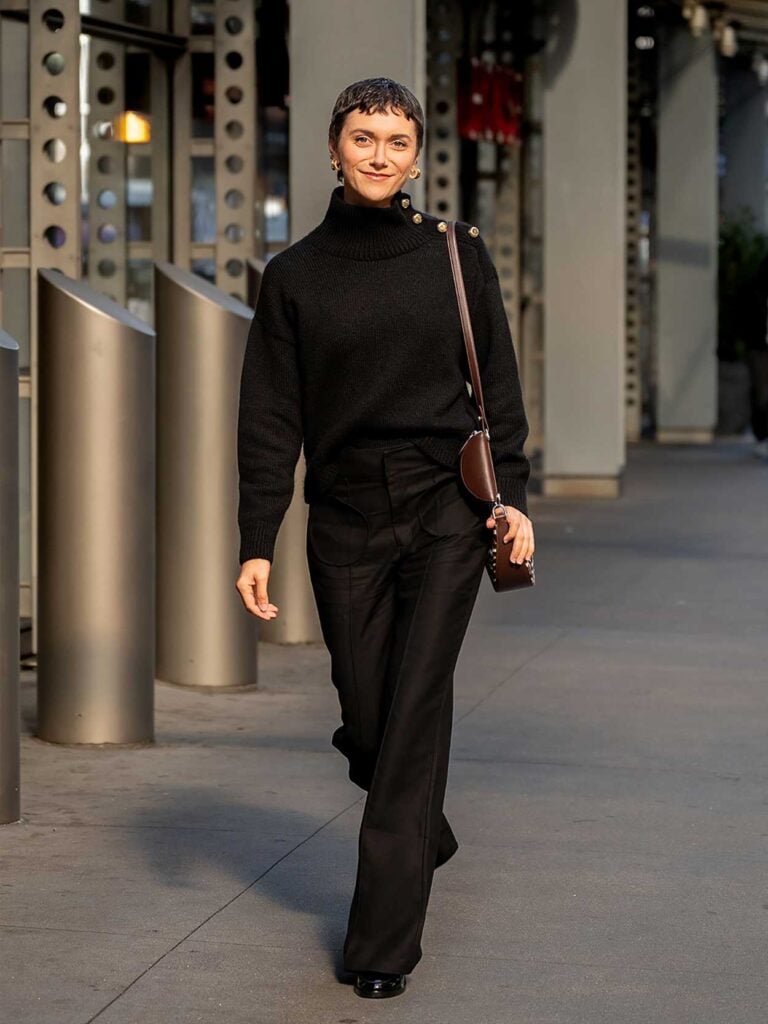
Fame kept rolling. Missy Elliott videos. Camp Rock. Step Up. Voice work. Dance work. Yet rejection never stopped. When you are the product, every no feels personal. Even the yeses don’t land right. Worth gets tied to forces you can’t control.
Off camera, things didn’t get easier. Evangelical conversion practices. Eating disorders. Rehab at 17. A delayed adulthood because the clock was ticking on a child-star shelf life. Money disappeared through adult mismanagement. Privacy vanished. Safety wasn’t guaranteed. An attempted kidnapping still hangs there.
Today, Stoner works as a mental health coordinator on sets, runs Movement Genius, hosts the award-winning Dear Hollywood podcast, and still acts, including voice work on Phineas and Ferb. They use their platform carefully, even when they crave anonymity. The goal isn’t revenge. It’s information. Protection. Better systems for kids, online and off.
Stoner tasted fame early and found it unsatisfying. That perspective stuck. Therapy helped. Purpose helped more. Writing the book reopened family truths and rewrote old narratives. They’re no longer trapped as the kid in a music video or a Disney role. There’s freedom in that. And a quiet confidence that didn’t come from Hollywood at all.