
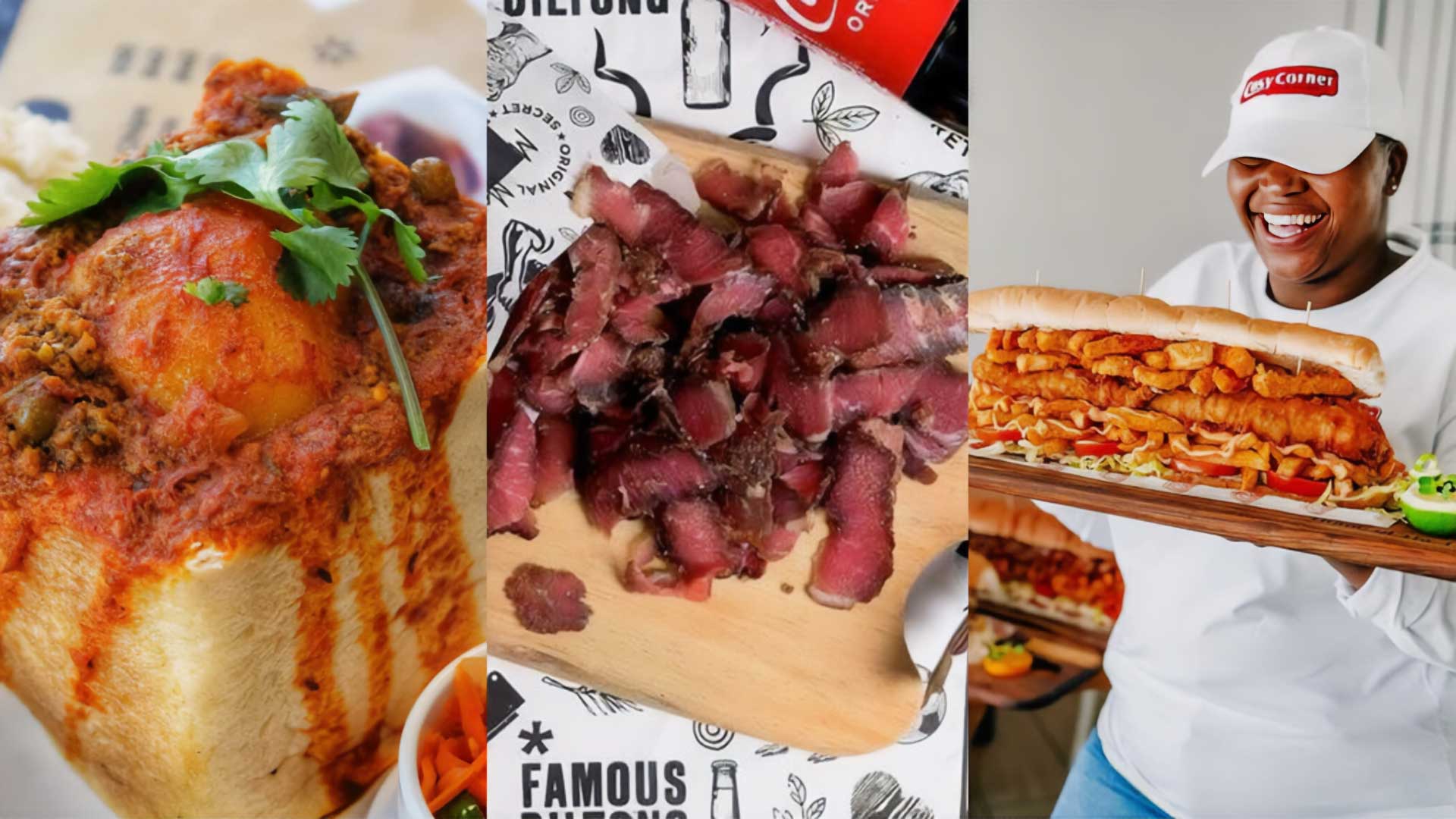


Nine provinces, twelve official languages, and plenty of different ethnicities make South Africa a smorgasbord of cultural heritage. Of course, all of this diversity spills over into our cuisine. While some of what we make is similar to dishes from other countries around the world, there are plenty of unique South African foods that originated from the different cultural groups and tribes and cannot be found anywhere else in the world. Check out the list below.
Biltong

Biltong is essentially a dried meat, but let me stop you before you say, “It’s just like beef jerky.” This South African snack is made from beef or game meat, marinated in vinegar and spices, and slowly air-dried to perfection. None of that sugary, leathery business here.
Bobotie
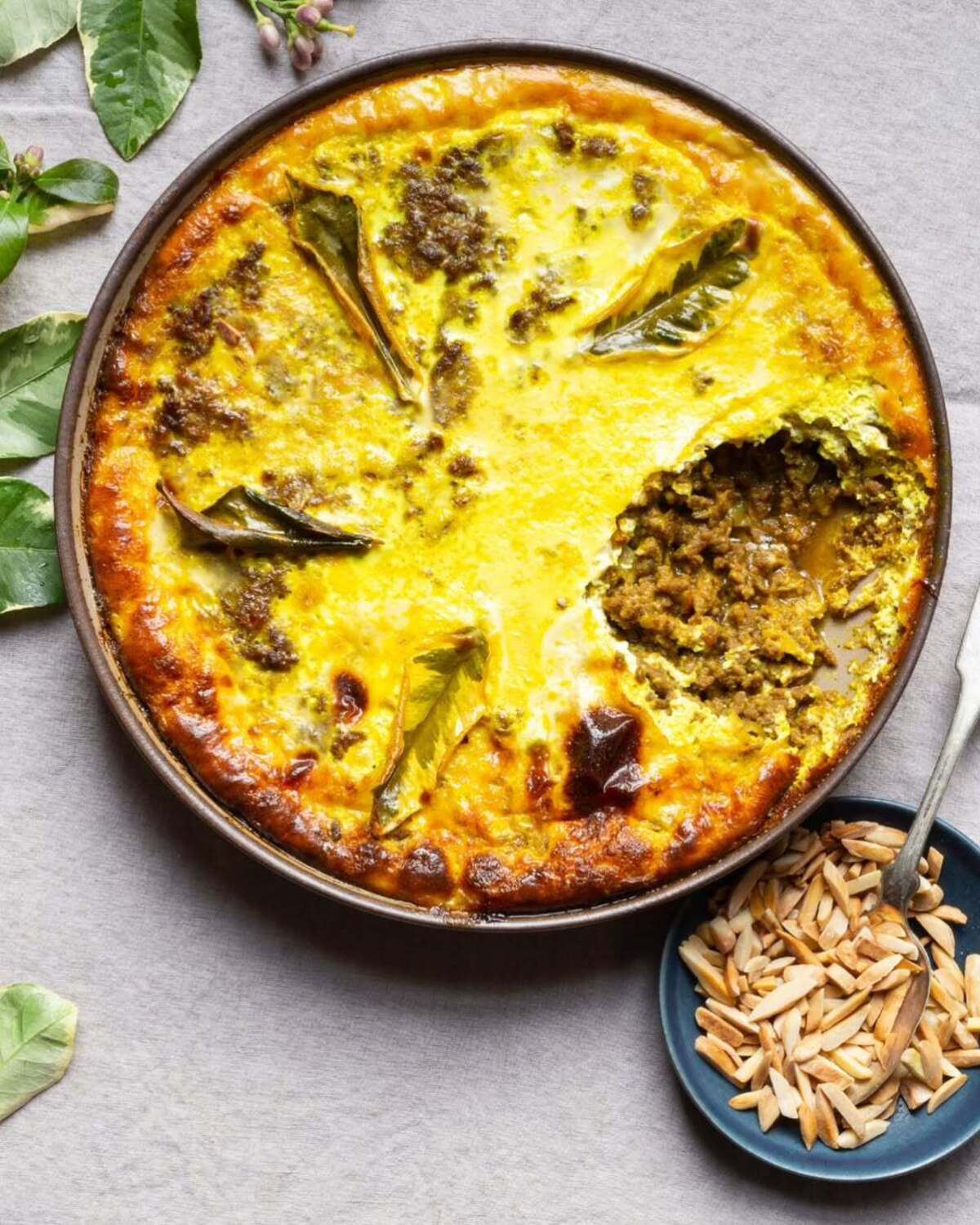
South Africans will use any excuse to add chutney to their food, and that’s essentially what we’ve done with bobotie. The baked casserole is made with spiced minced meat (typically beef or lamb), dried fruit, and, of course, a generous helping of chutney (usually Mrs Balls) and then topped with a savoury egg custard.
Boerewors

No South African braai is complete without throwing some boerie (a.k.a boerewors) onto the grid. This spiral-shaped ‘sausage’ is a blend of beef, pork and or lamb, with a unique spice blend (coriander, black pepper, nutmeg and cloves) specific to the country. You just have to taste it to understand the difference.
Bokkoms
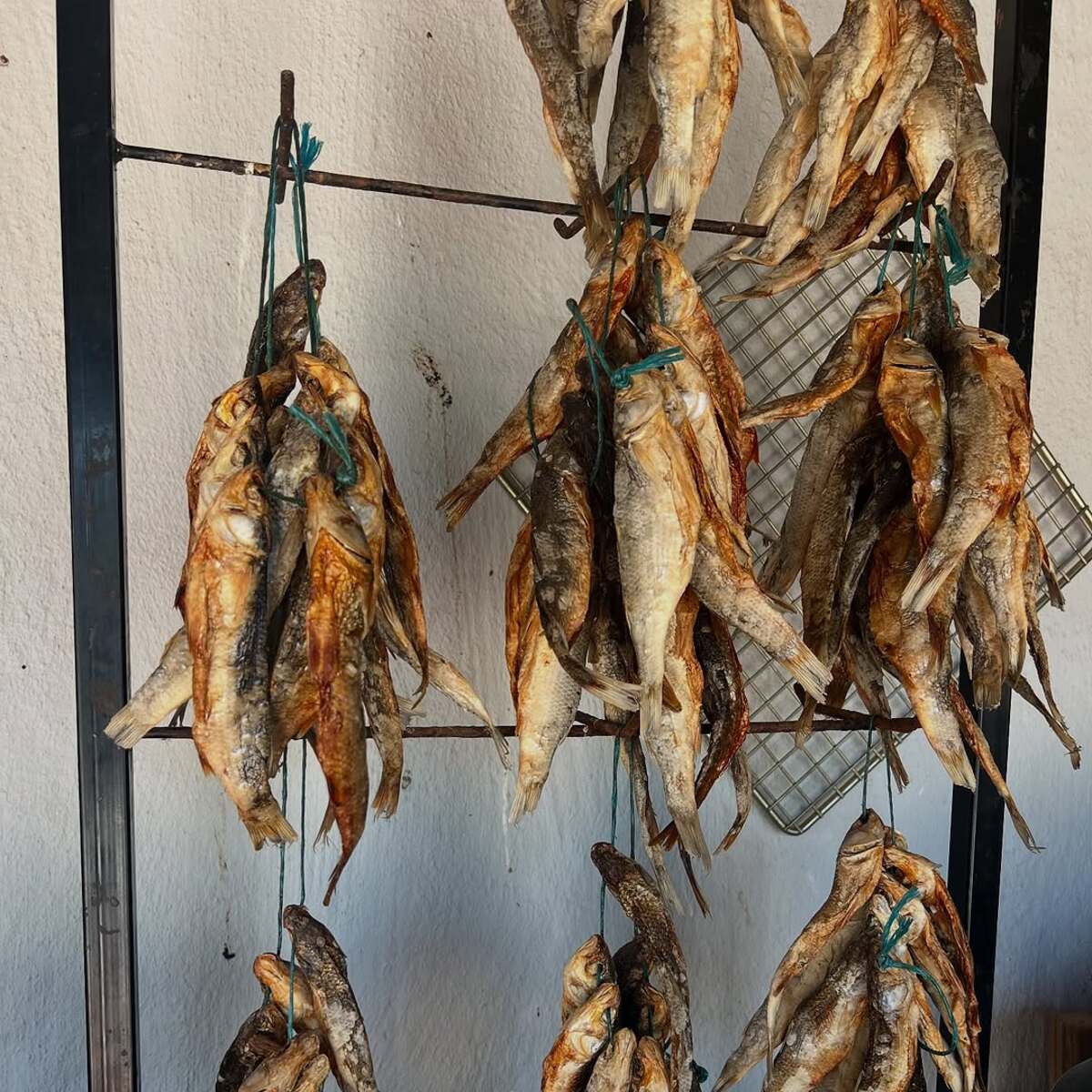
Bokkoms is the West Coast’s answer to biltong. It’s a whole, salted, mullet fish that’s been wind-dried. It’s extremely salty and chewy. One of the snacks that even South Africans either hate or love.
Braai
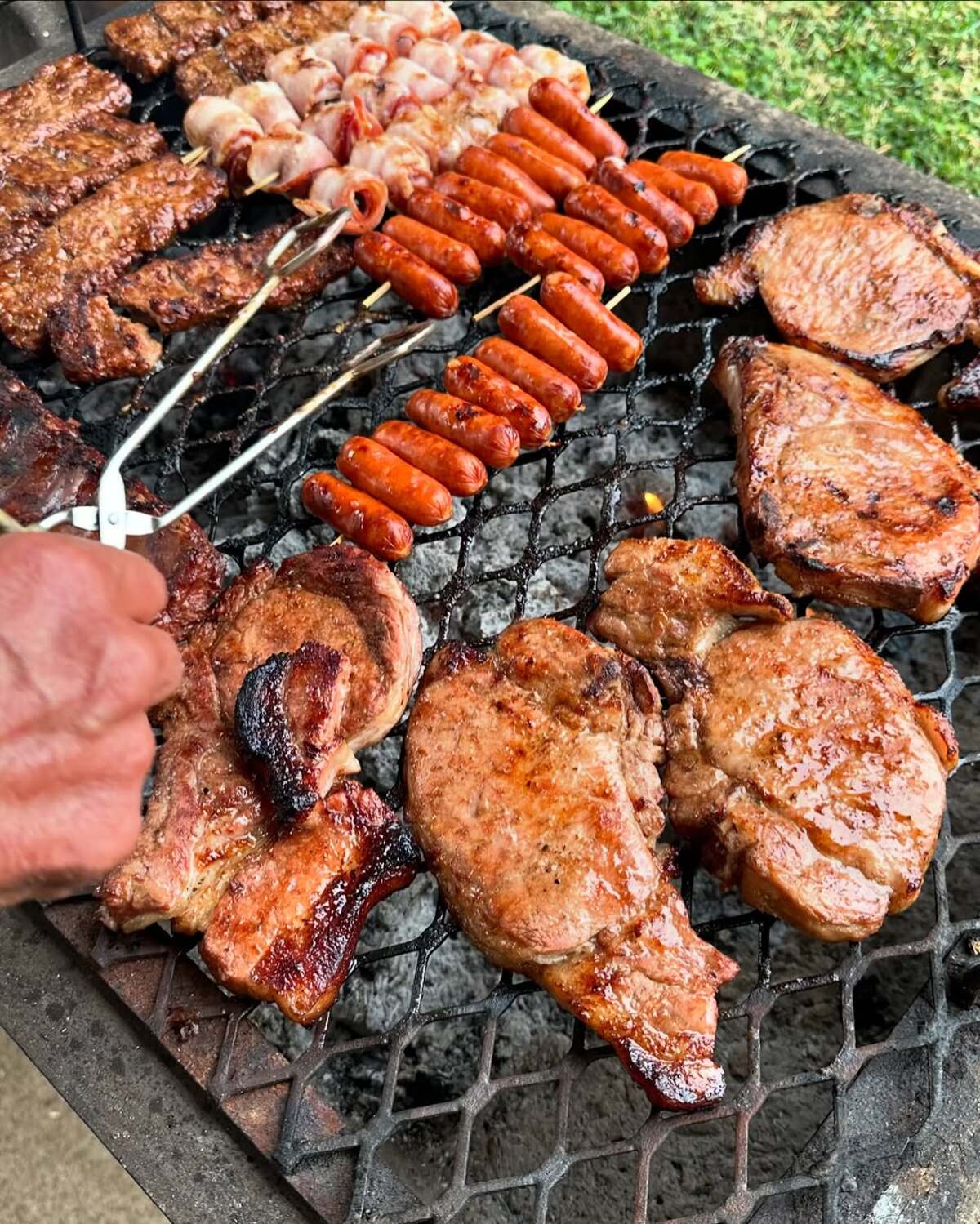
No, ‘braai’ is not the same as ‘barbecue’. You can’t have a proper South African braai without wood or charcoal (sometimes even both). The meats we braai, and the side dishes, are also different. It’s a huge part of our culture. We even have a holiday set aside for it.
Bunny Chow

No actual bunnies are harmed in the making of this delicious South African food. What it actually is is a hollowed-out loaf of white bread filled with a spicy curry of choice. You use the soft, scooped-out portion of bread to dip into the curry. Messy, but absolutely delicious.
Chakalaka
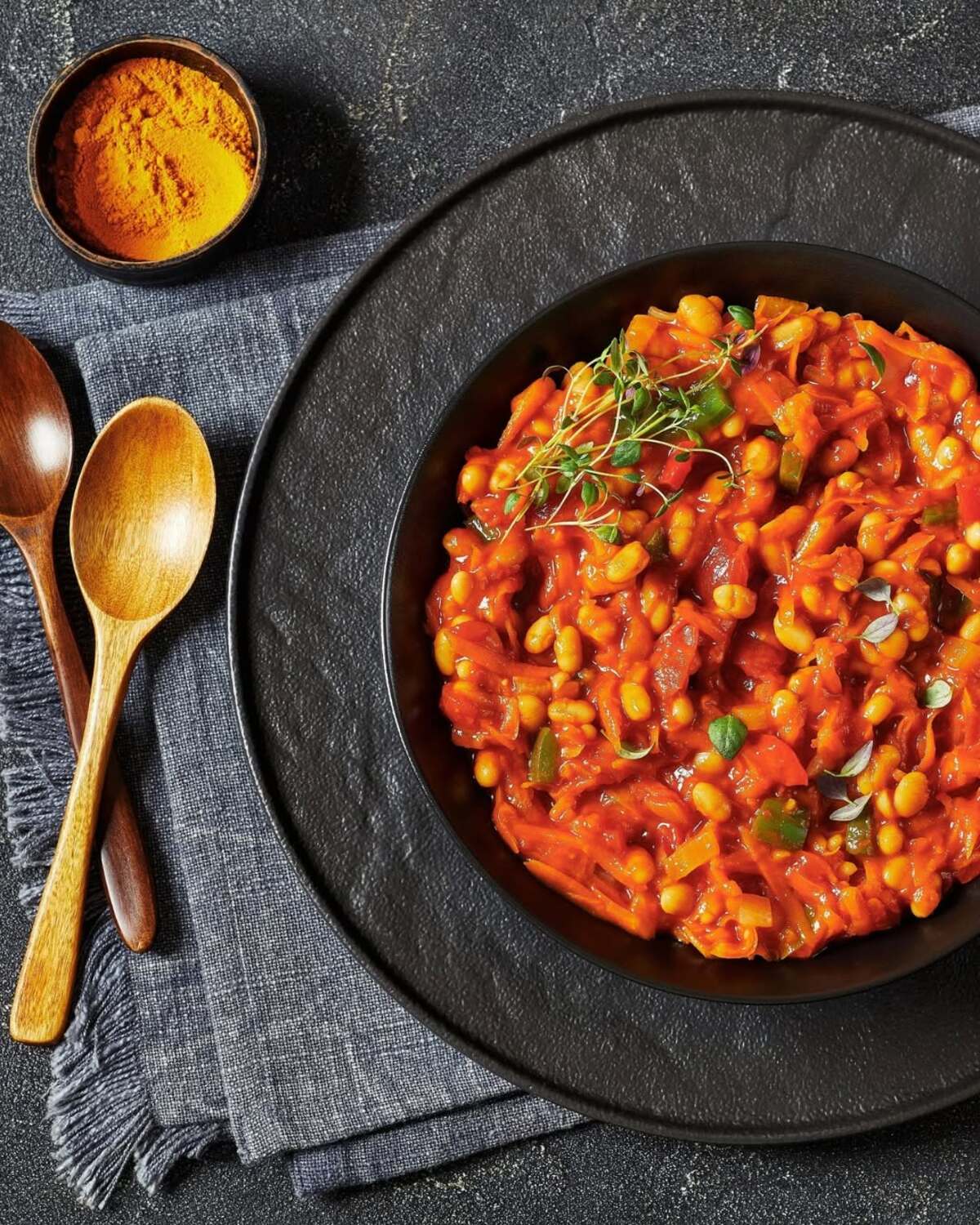
Chakalaka is a staple in most South African homes. It’s the perfect spicy side dish (or relish, if you will) made with veggies and baked beans, seasoned with curry powder and spices. As an old advertisement once put it, “Chakalaka is nca (nice).”
Droewors
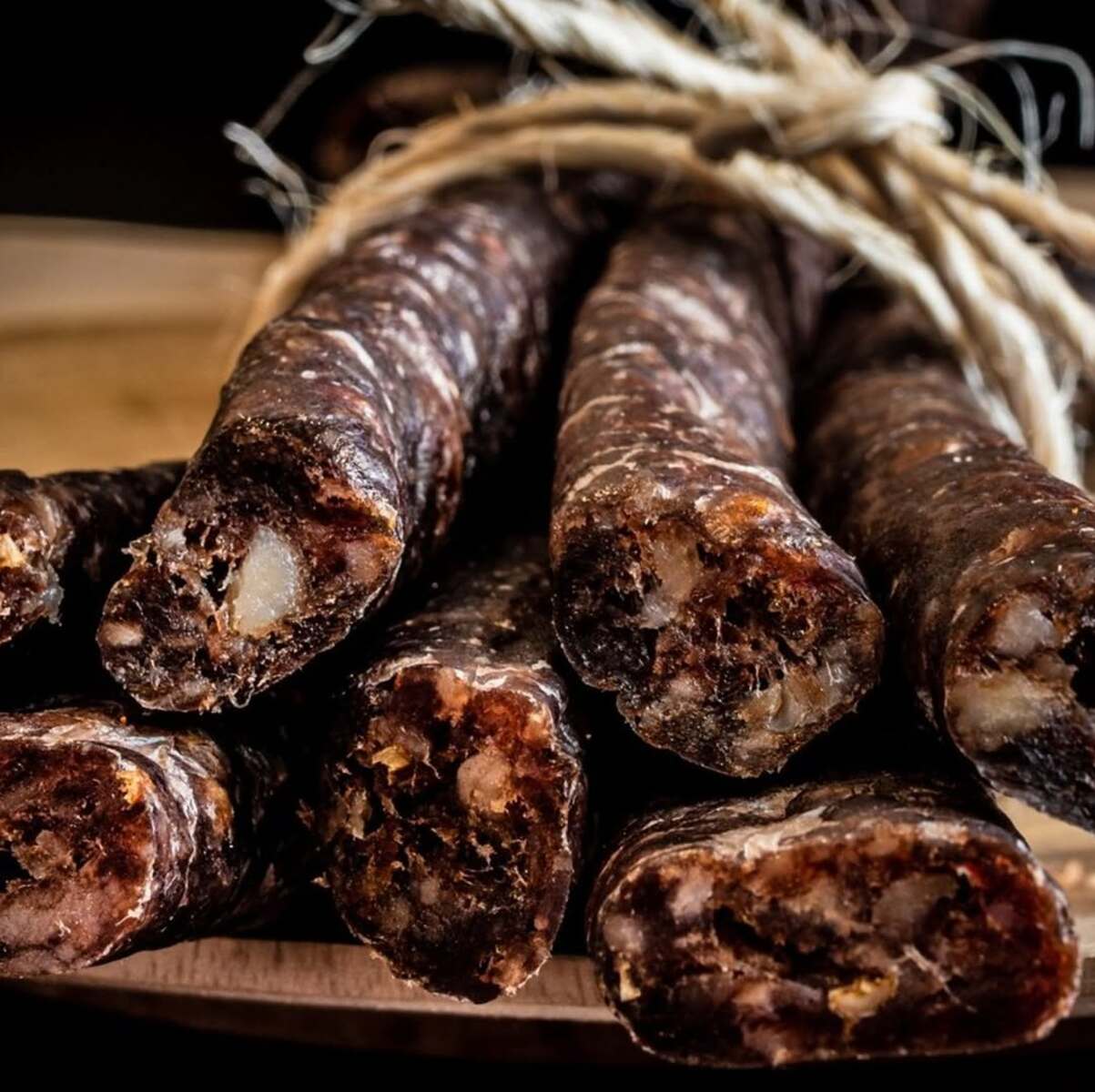
This tasty South African snack is made the same way as South African biltong (spiced and slowly air-dried), but it’s made from thin, tasty boerewors. Again, it’s not beefy jerky.
Fat Cake/ Vetkoek/Amagwinya

No matter what you call it, this dish is loved by people of every cultural group in South Africa. It’s made from dough balls that are fried in oil and typically served with a mince curry or savoury jam. It’s crispy on the outside and fluffy inside.
Gatsby
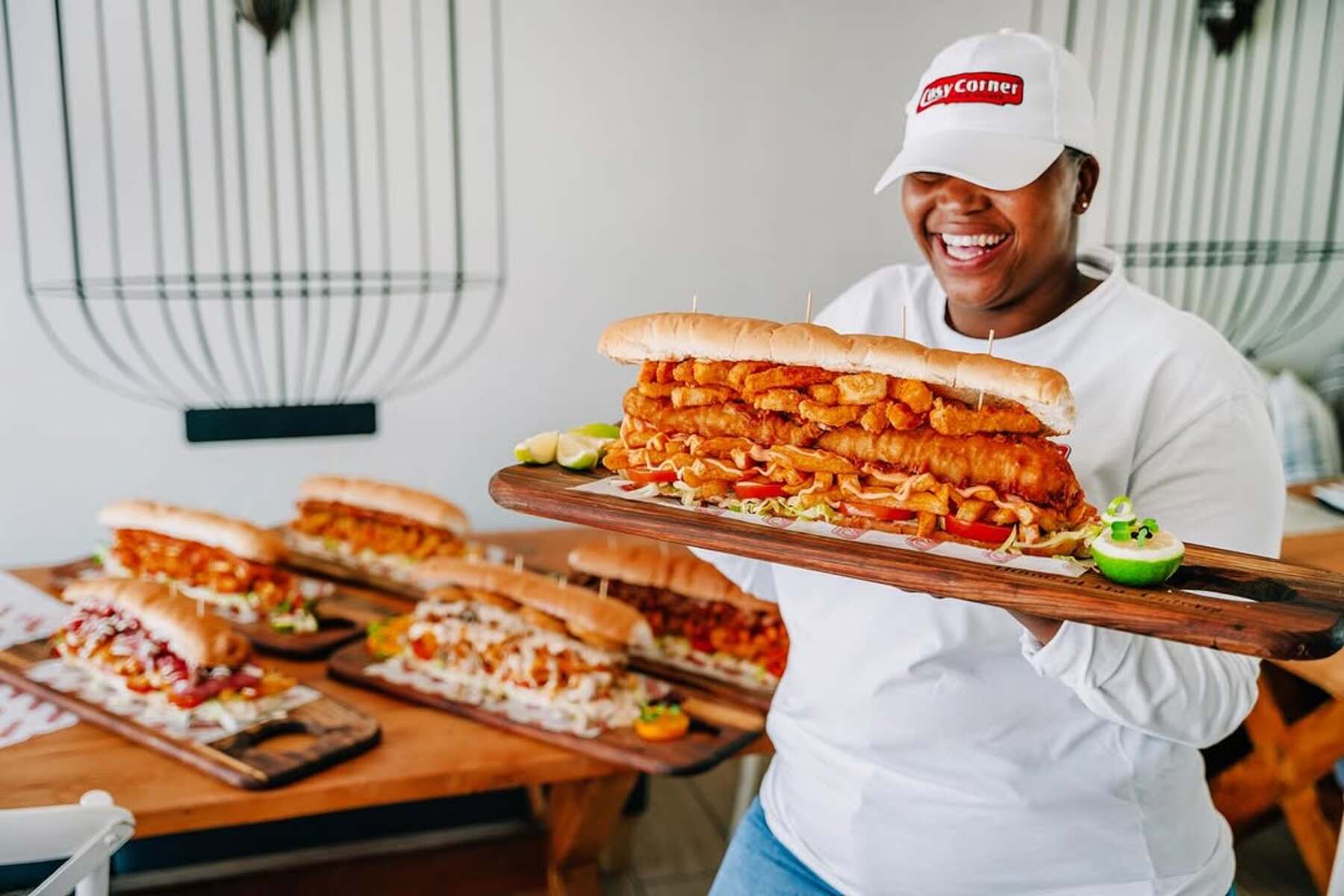
The sheer extravagance of this Cape Townian dish deserves a name as grand as Gatsby (and yes, it was actually named after the F. Scott Fitzgerald character). It’s a massive sandwich filled with almost anything and everything you can think of (meats, fried chips, sauces, and maybe even an egg or two). Best shared with friends and family if you don’t want to end up in a food coma.
Koeksister
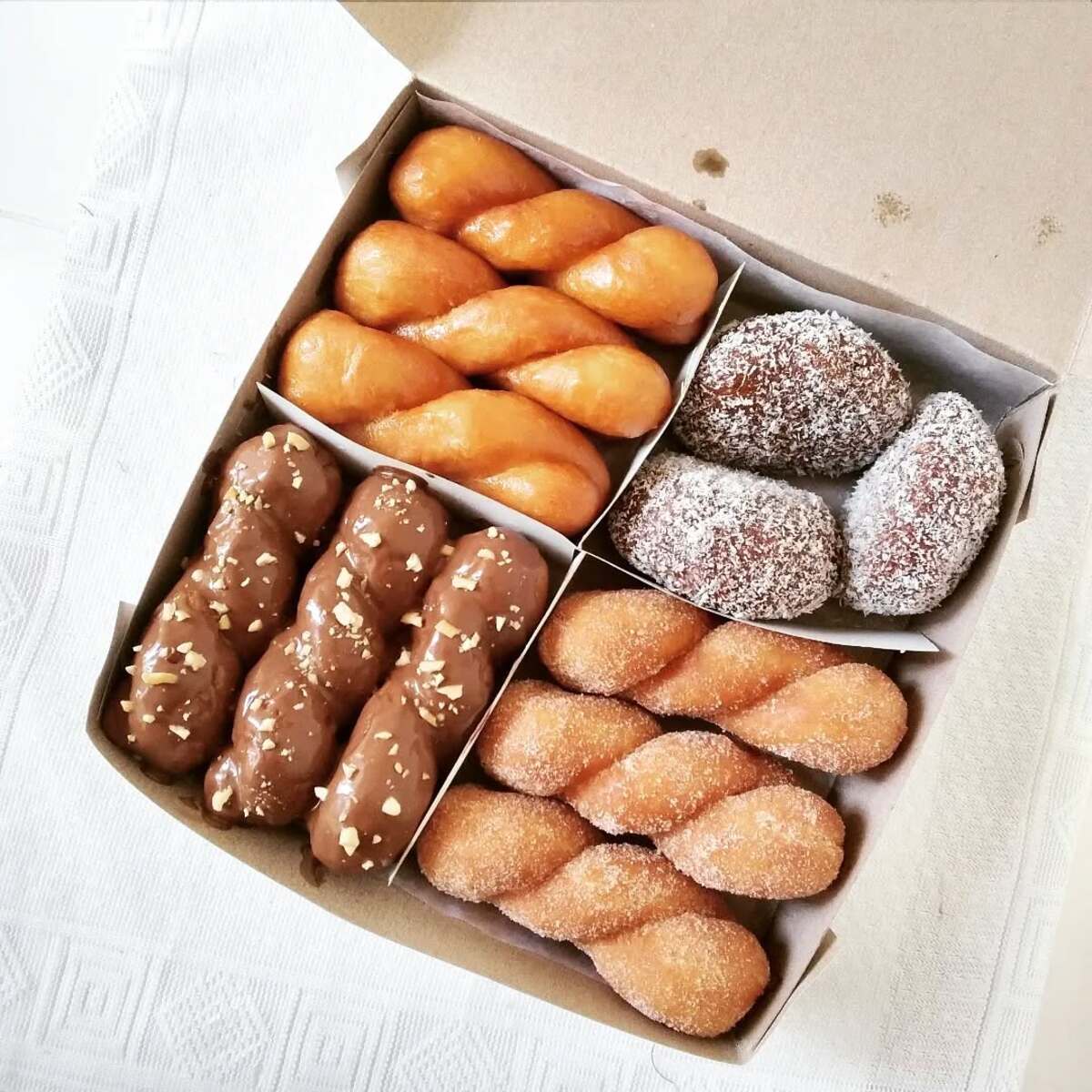
A koeksister is like a twisted, or sometimes flat and round, doughnut… but also not. It can either be spiced and covered in syrup and coconut (more often called a Koe’sister) or just drenched in sticky syrup. Every culture has its special way of making it. Every way is magnificent.
Kota

A Kota is like the love child of a bunny chow and Gatsby. You take all the ingredients of a polony Gatsby and dump them into the hollowed-out quarter loaf of bread. And there you have it. The Kota.
Malva Pudding
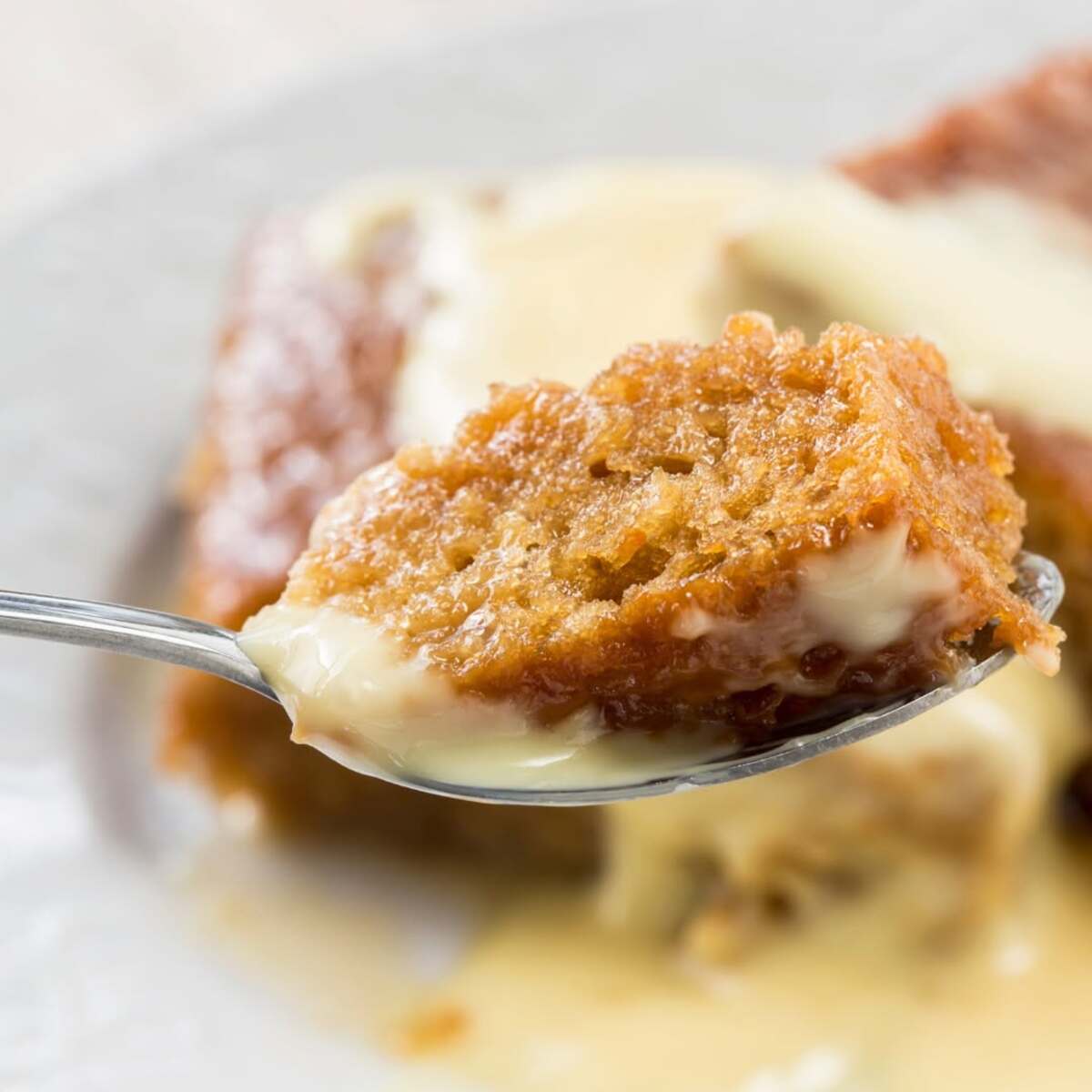
Malva Pudding is one of the essential desserts at any South African gathering. It’s a sweet, sticky, and spongy cake made with apricot jam, eggs, and sugar. You then soak it in a warm, buttery cream sauce after it’s baked and enjoy it with ice cream or custard. It’s part of the reason we South Africans add on extra kilos in the winter.
Milk Tart
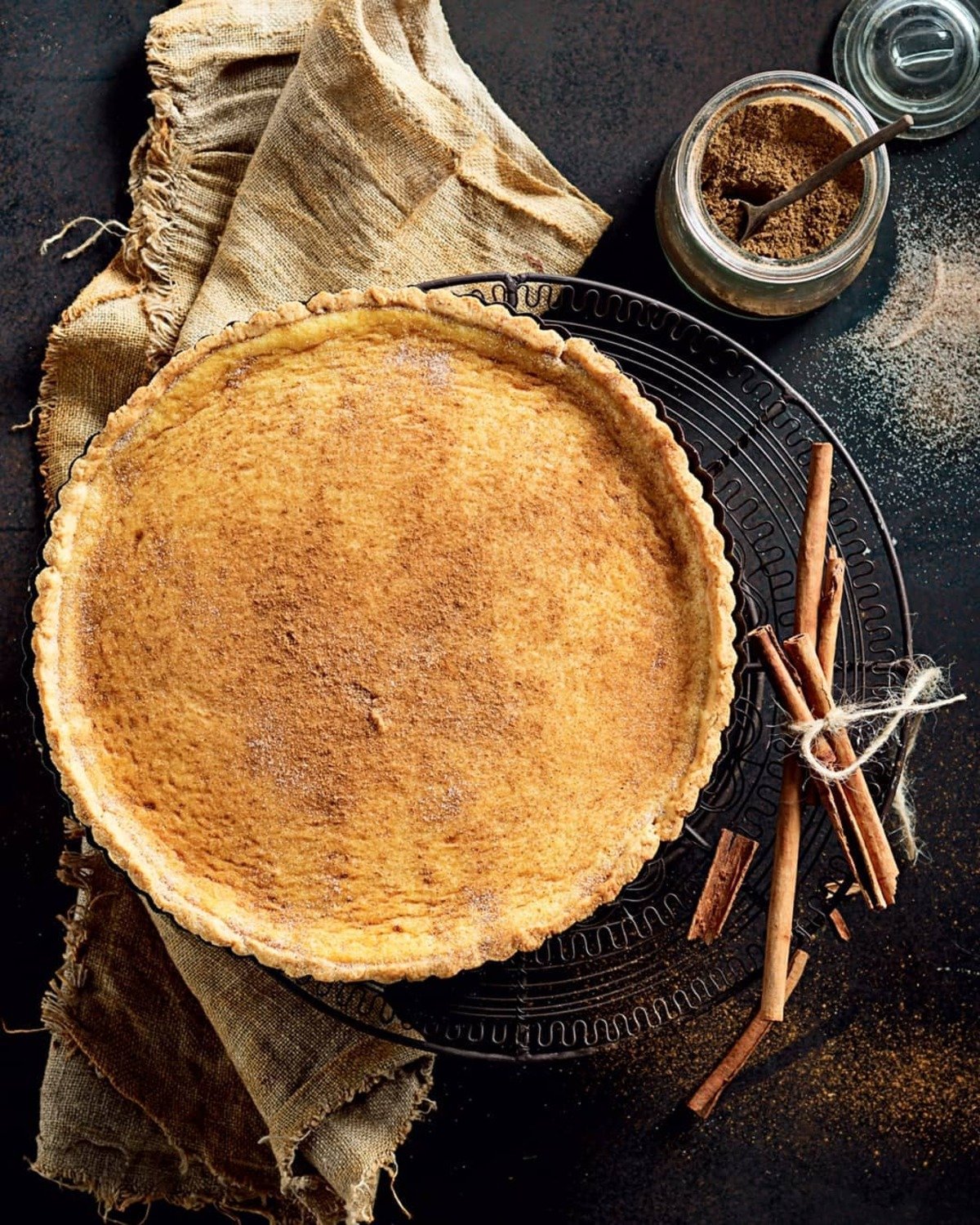
Another essential at our gatherings is the milk tart (or melktert). There are plenty of ways to make it, but it’s essentially a creamy, milk-based custard packed into a pastry or biscuit crust and dusted with cinnamon. It just tastes like home for us.
Pap
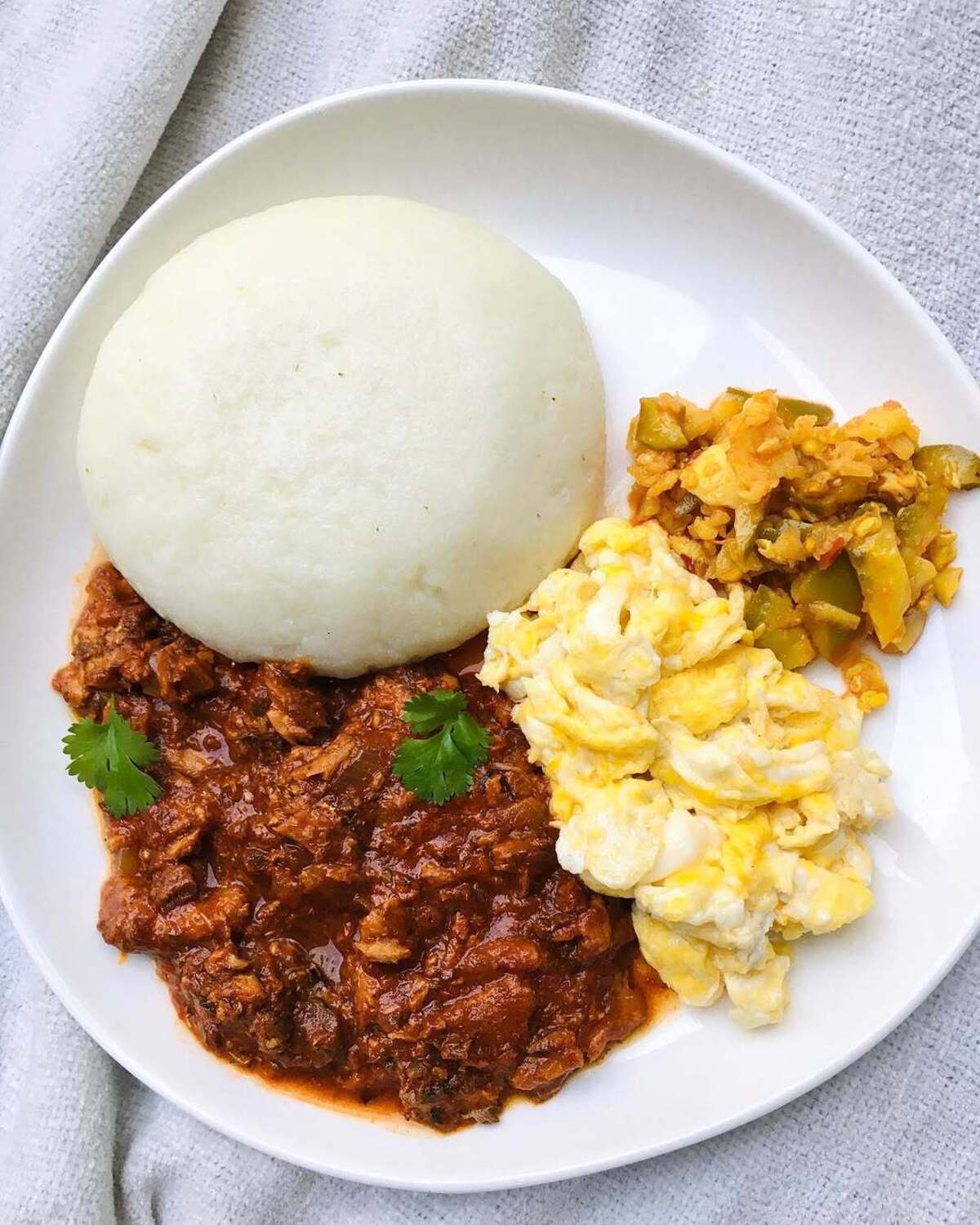
Pap is a staple food in South Africa. You can eat it with breakfast, lunch, or supper (sometimes all three meals in one day). It’s coarsely ground maize that can be cooked in different ways, but there’s definitely a right and wrong way to prepare it. We usually serve it as a side dish with stews, curries, relish, or meat dishes.
Potjiekos
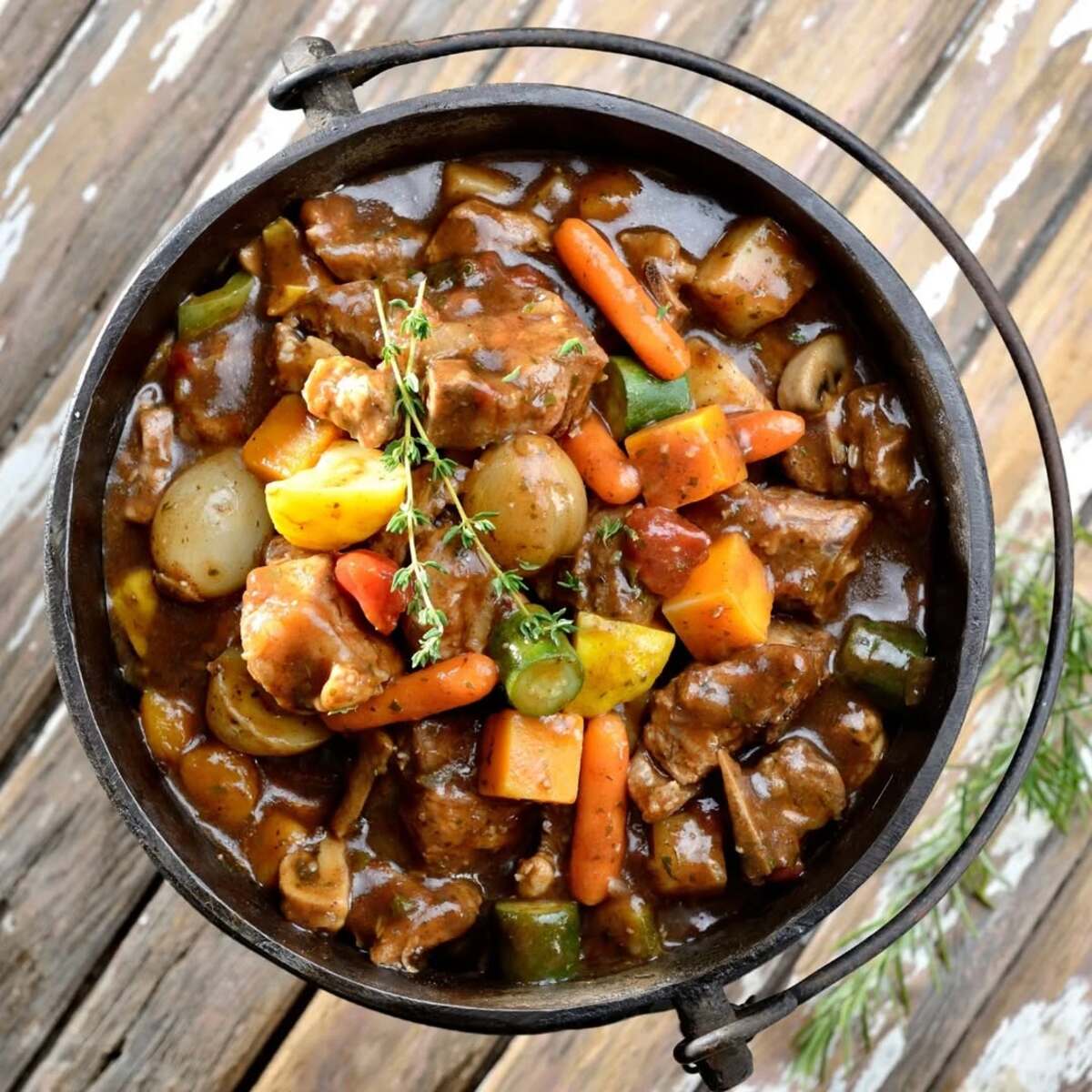
Having a potjie is usually what we do when we’re tired of having a braai every week. You cook a curry or stew outside on an open fire in a big, round, cast-iron pot that kind of looks like a witch’s cauldron. It’s a very long-winded way of making a stew or curry, but the payoff is usually worth it…unless you let your brussels sprout-obsessed uncle take over the cooking.
Sosatie
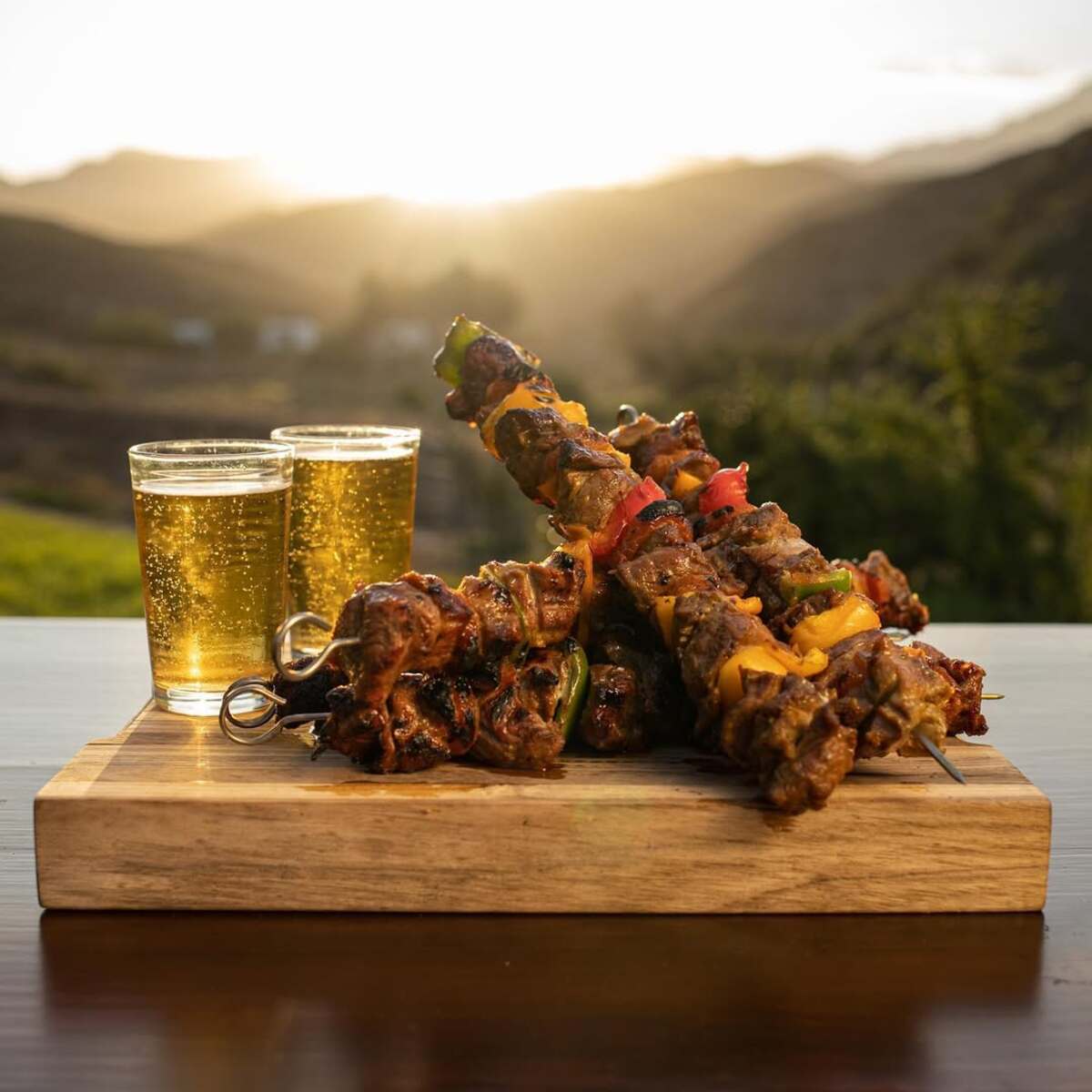
A sosatie is one of our go-to meats for a South African braai. The simplest way to explain it is as skewered meat on a stick with vegetables and seasoning. Someone uncultured will tell you it’s like a kebab (and maybe it sort of is), but our spices and marinades make it uniquely South African.
Roosterkoek
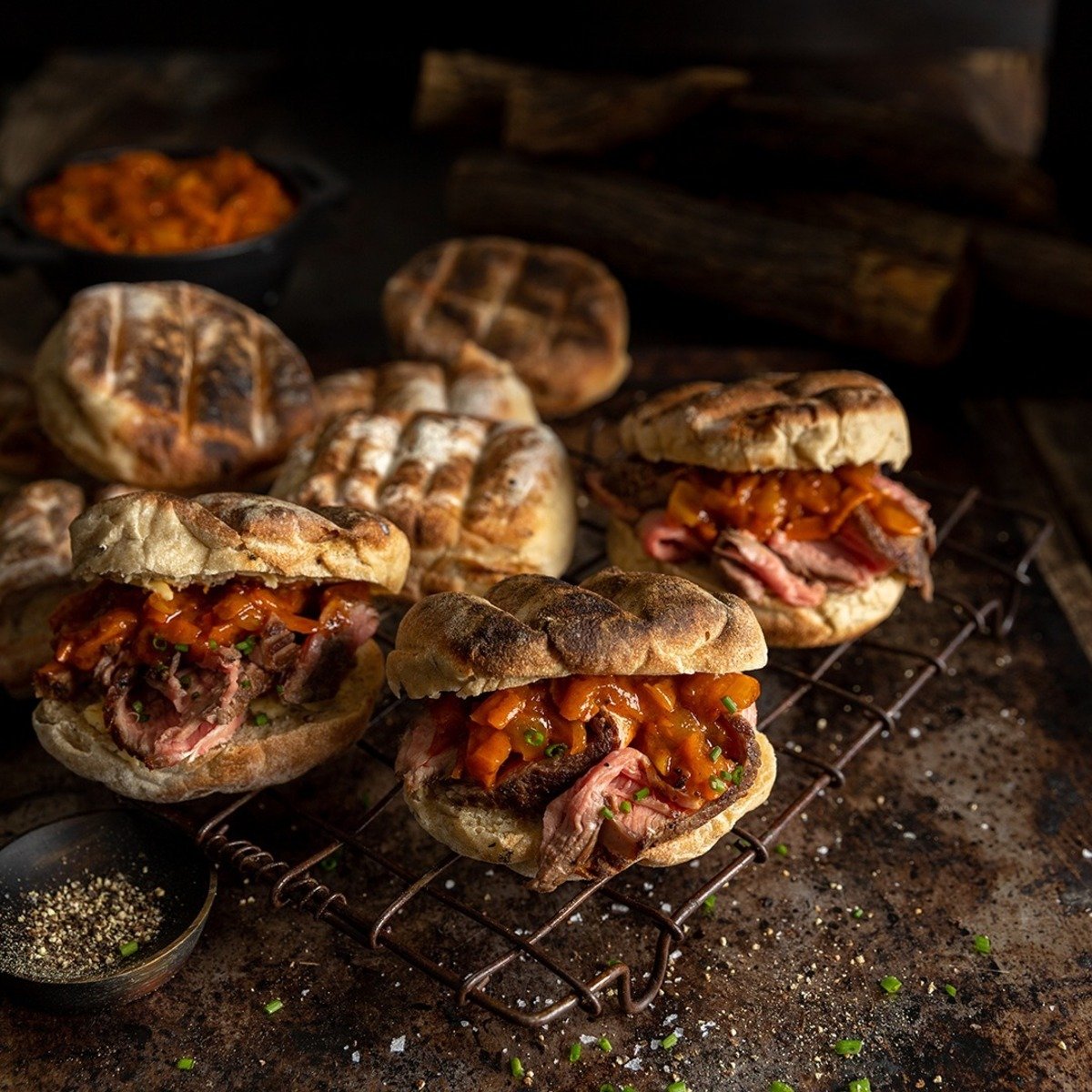
Another braai favourite is the roosterkoek. You prepare a simple dough and cook it on a grid over an open flame. It has a delicious, smoky flavour that pairs well with braai. You can even eat it with cheese and jam or anything you’d put on bread, really.
Tomato Bredie
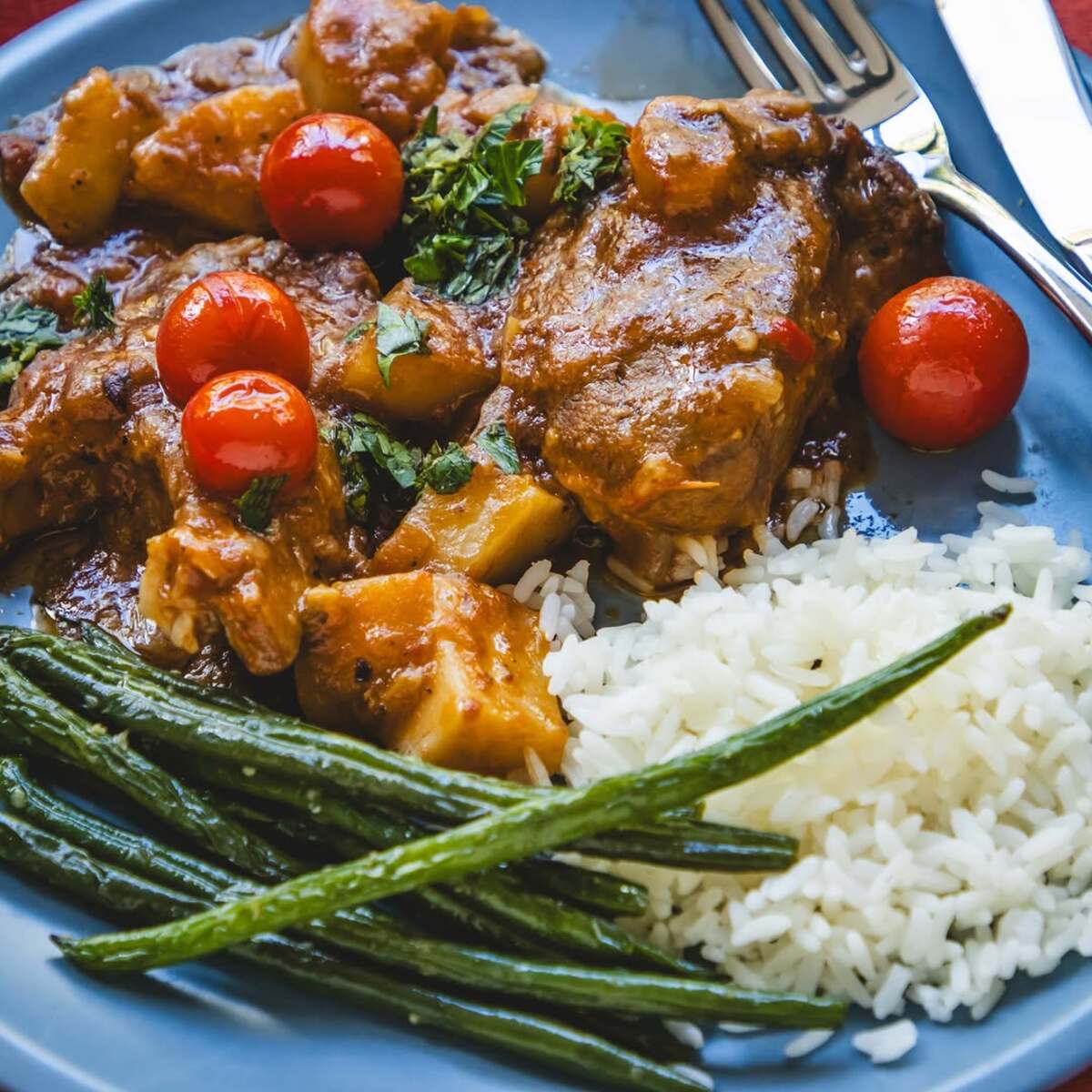
This traditional Cape Malay stew is the perfect sweet-and-sour combo. It has a rich, tomatoey flavour with a hint of spices. It’s the kind of warm, hearty dish we eat for comfort.
Walkie Talkies
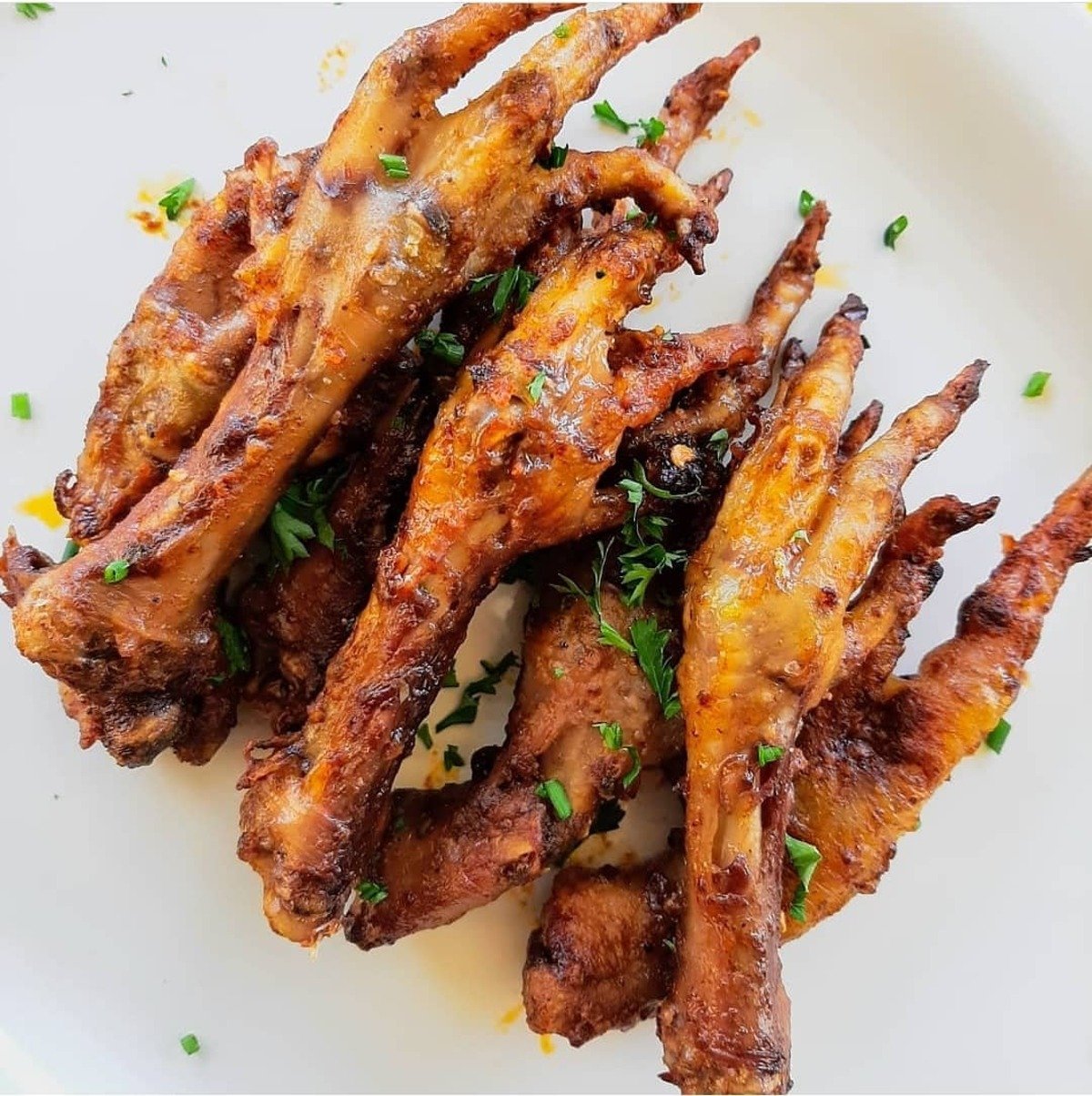
The name is just a fun way to say fried, grilled, or stewed chicken feet and heads. There are different ways to prepare them, but all are tasty, even if the dish might not sound like it.
RELATED: Celebrity Plastic Surgery: Who Nailed It and Who Should’ve Passed?