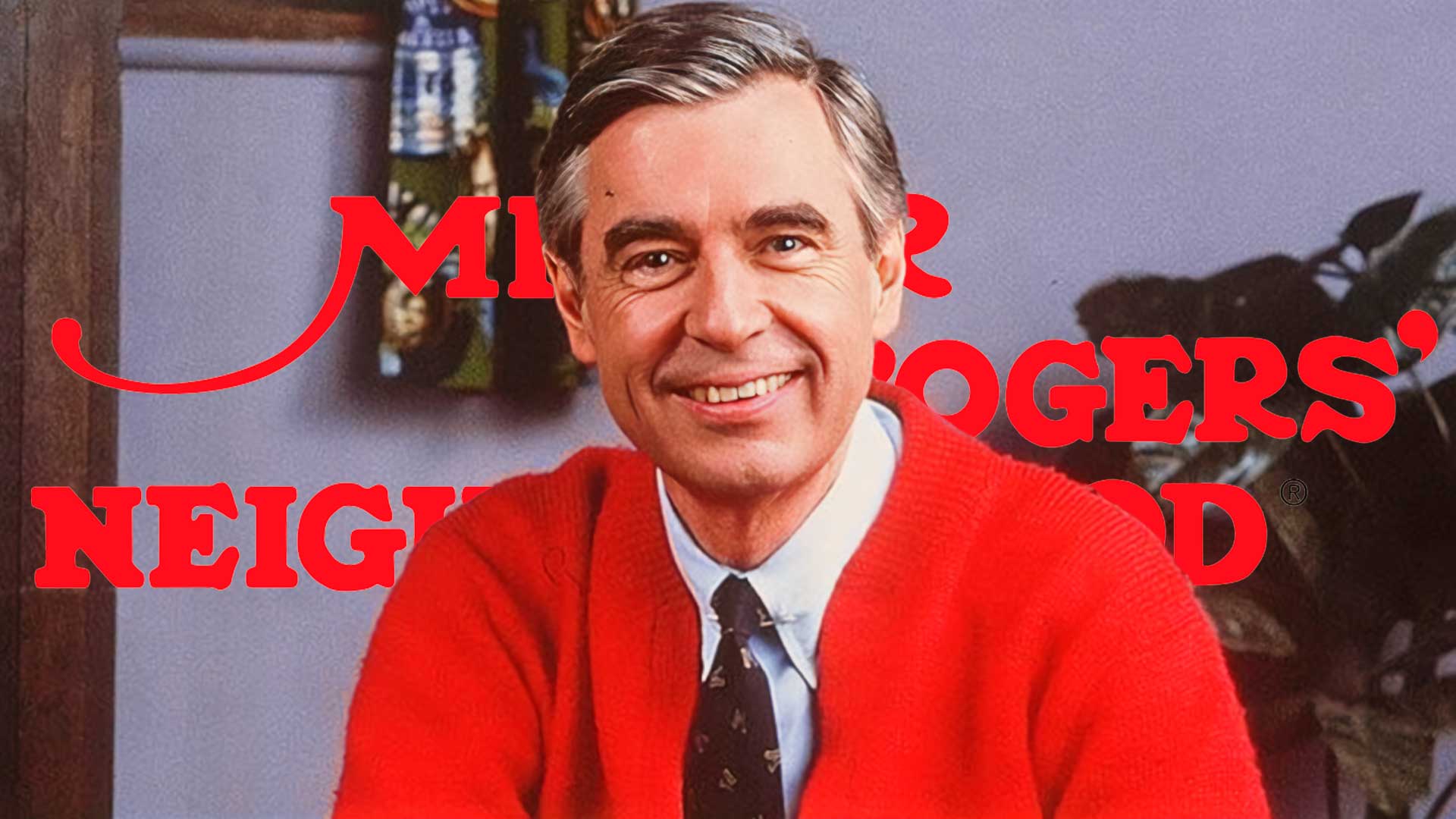


We live in a world obsessed with loud culture. From cynical blockbusters to fast-paced social media reels, we’ve mostly forgotten the simple pleasures of deliberate silence in media. No other show captured that balance between empathetic and genuinely educational as Mister Rogers’ Neighborhood – and that’s precisely the kind of show we need today.
A show that remains wholly unmatched in its feel-good vibes and unshakable moral fiber, Mister Rogers taught entire generations how to be the very best neighbors they could be. Then, in 2001, the show came to an end, after 33 years of wholesome history. Let’s take a look at the many reasons why Mister Rogers’ Neighborhood isn’t the show we deserve, but the one we need.
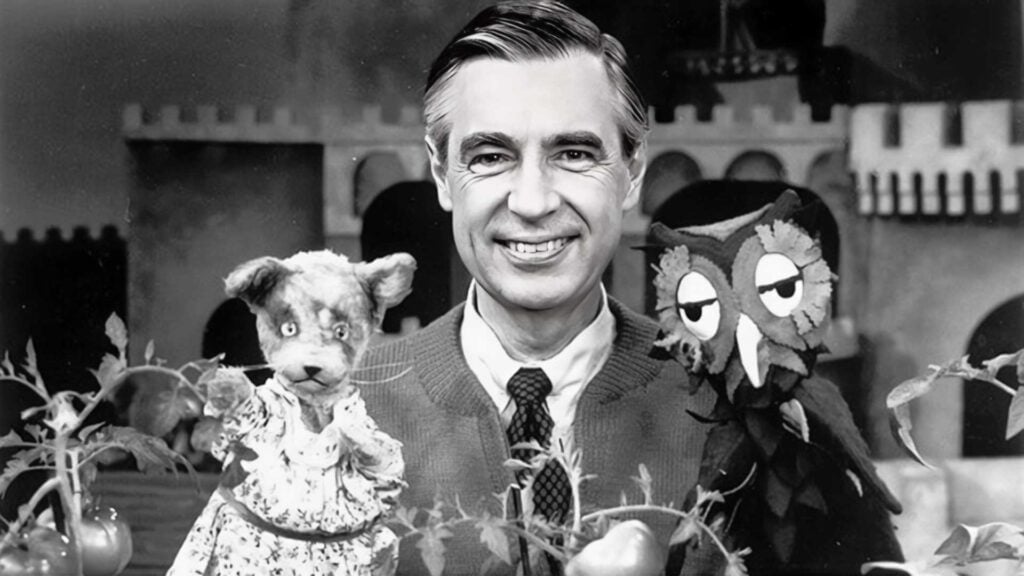
When the Neighborhood first hit the airwaves in the late 60s, society was in a wildly turbulent state. The Civil Rights movement was about to change America’s way of life for good, and neighborhoods were becoming increasingly vital as the backbone of humanity itself.
Fred Rogers’ show gave kids a safe space to navigate their changing society. His historic testimony before the United States Senate essentially established educational television itself, and it all started with Mister Rogers’ Neighborhood.
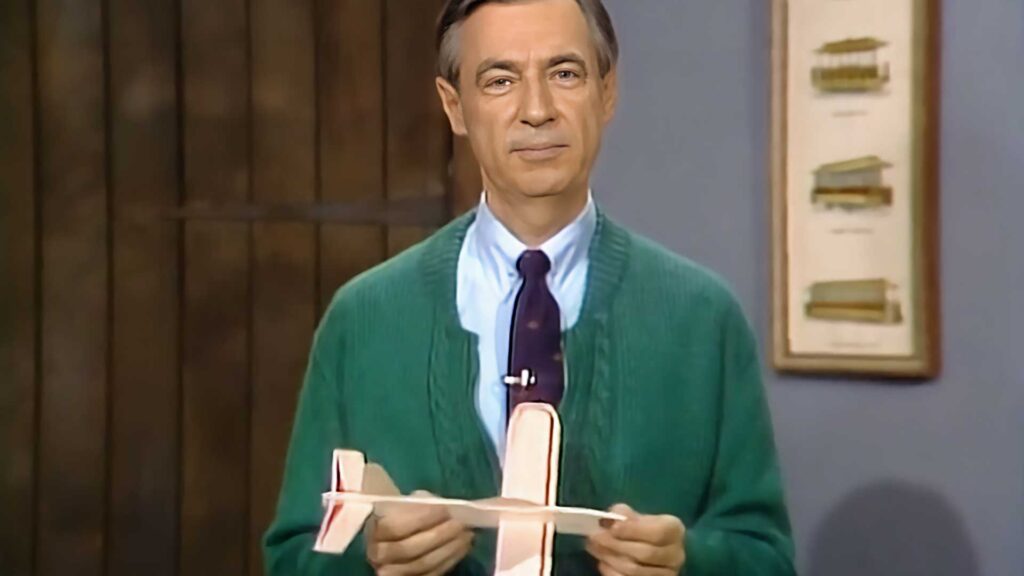
Rogers’ show came out in a society that was learning how to reconcile its differences as best it could. To prepare children for adult life, Rogers came up with a brilliant idea: his show would need to teach kids about emotional literacy. The concept of being “in touch” with one’s feelings might sound like some “New Wave” idea, but the reality is that Mister Rogers was already working with it since the sixties.
The “Neighborhood” itself was a metaphor for the ideal, civil society – a dream that seemed increasingly achievable as America entered the seventies. Mistakes were allowed and fixed, not just chastised. That’s the kind of positive growth society needs: a way to foster a sense of unity and forgiveness that diminishes polarization – and just five seconds on X would tell you that the world desperately needs some common ground right now.
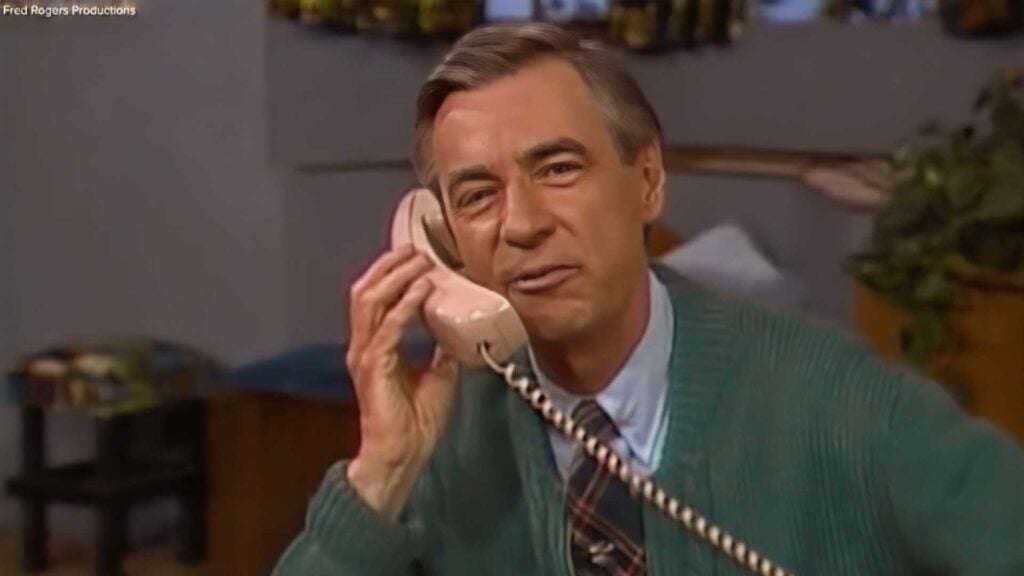
It would be safe to say that we live in a paradoxical society, one where we are “alone together.” Loneliness itself has become epidemic, with our digital neighborhoods becoming battlefields instead. Shows like Mister Rogers’ Neighborhood proved that there could be ways to achieve an understanding, even when things looked grim.
One of the show’s most important lessons became a motto for fans: “Look for helpers.” Rogers invited people to trust in those members of society who “helped” build a better community, and to model ourselves after them. That sincere desire to genuinely be better condenses the series’ entire philosophy – one that seems almost forbidden for modern media, as it seems increasingly consumed by cynicism.
Not only do we need more shows like Mister Rogers’ Neighborhood, but we also need to rediscover the courage to be the “helpers” ourselves, constructing a better tomorrow one neighborly brick at a time.
RELATED: Mr. Rogers Didn’t Sign an Autograph For This Sick Child — Here’s The Real Reason Why