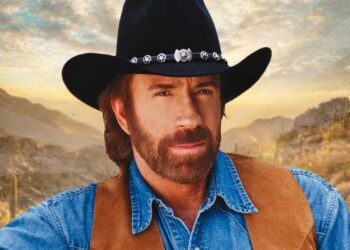
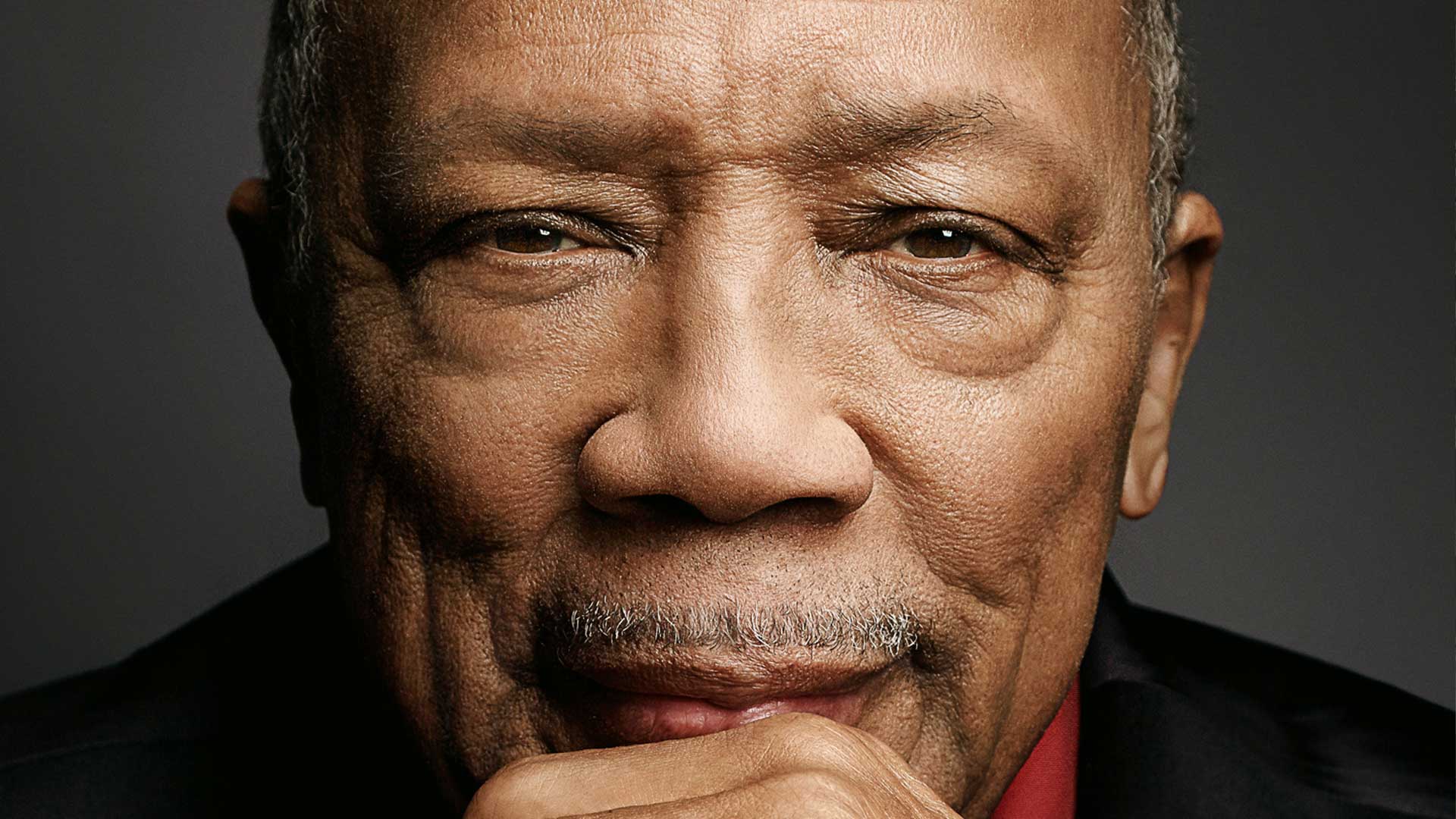


The strange thing about Quincy Jones is that you can’t really pin him to one moment, one sound, or even one decade. Every photo tells a different story. And if you line those photos up, what you get isn’t just a career. You get a timeline of modern music itself shifting, evolving, getting sharper, louder, smoother… and somehow always circling back to him.
Scroll back to the early days and you’ll find a young Quincy Jones in Chicago, born March 14, 1933. Skinny kid. Curious eyes. The kind of look that says he’s already hearing something no one else quite hears yet. By his teens, he’s already moving through Seattle, picking up the trumpet, crossing paths with a teenage Ray Charles. That alone sounds like the setup to a movie that probably wins awards later.
How Quincy Jones Met Ray Charles As A Teenager
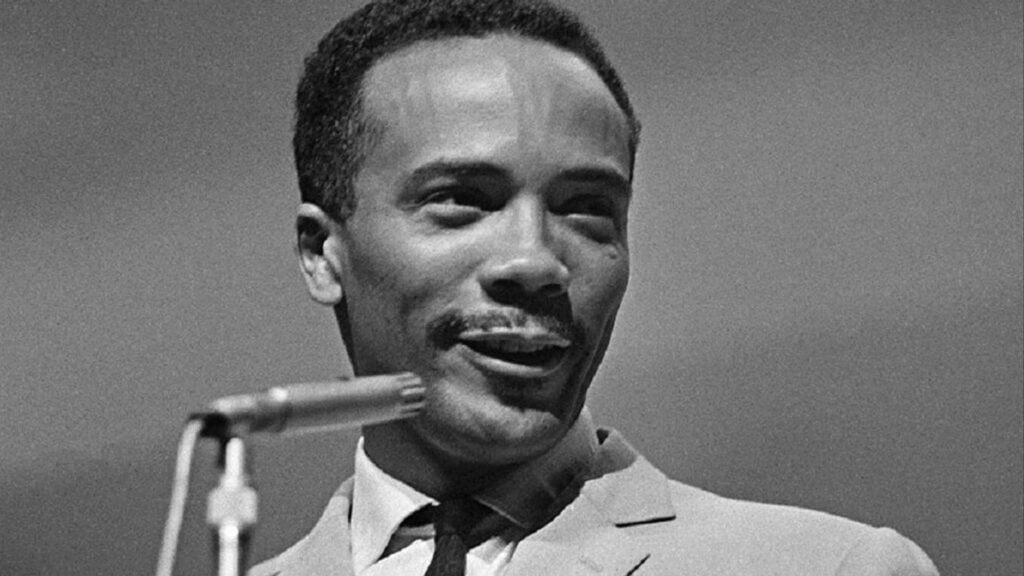
That meeting with Ray Charles wasn’t just a footnote. It shaped everything. Two teenagers, both obsessed with music, figuring things out in real time. You can almost imagine the conversations. Late nights. Cheap instruments. Big dreams that sounded slightly ridiculous at the time.
Quincy Jones’ First Steps Into Jazz With Lionel Hampton
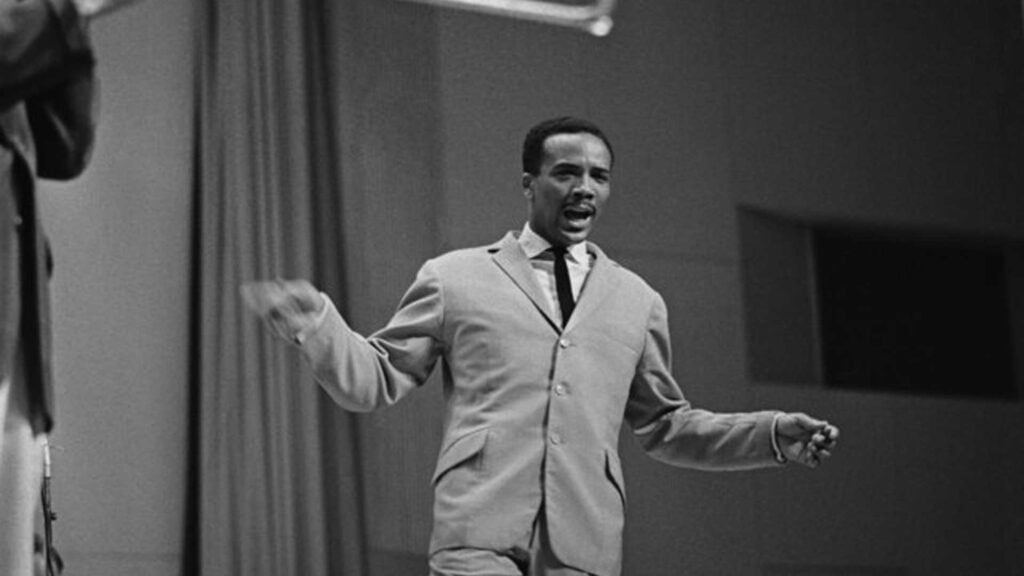
There’s a photo from the 1950s where he’s on the road with Lionel Hampton’s band. Suit slightly oversized, trumpet in hand, standing among musicians who had already seen more stages than most people ever will. You can almost feel the pressure in that image. Young Quincy wasn’t just playing notes. He was absorbing everything. Watching arrangements. Studying structure. Filing it all away.
Touring Europe And Expanding Quincy Jones’ Musical Vision
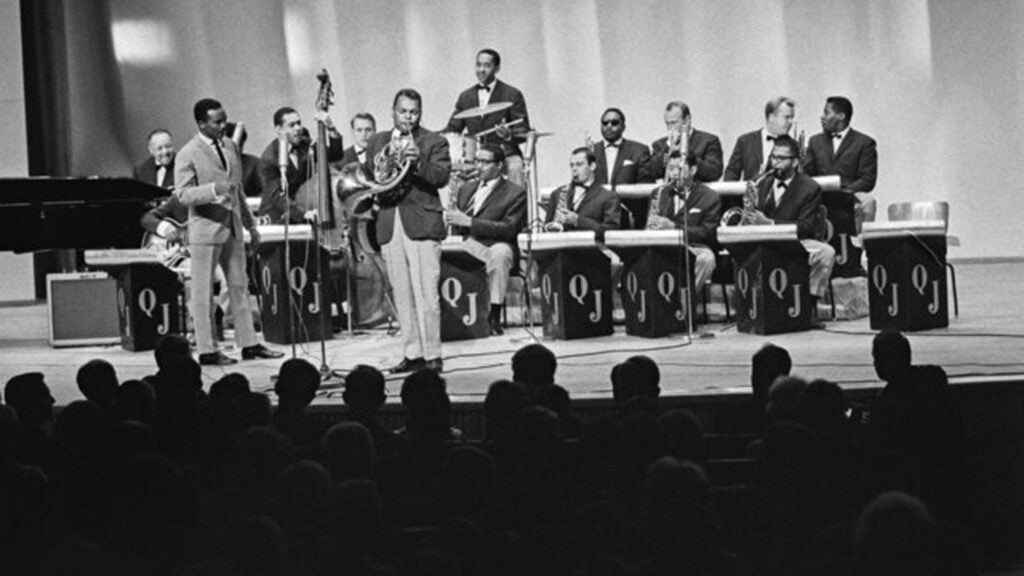
Then Europe. That chapter always hits differently. Quincy Jones didn’t just tour there. He stayed. Worked. Learned. There’s an image floating around of him conducting in Paris, looking like he belongs there, like he’s rewriting what an American jazz musician could be doing overseas.
Quincy Jones’ Transition From Performer To Composer
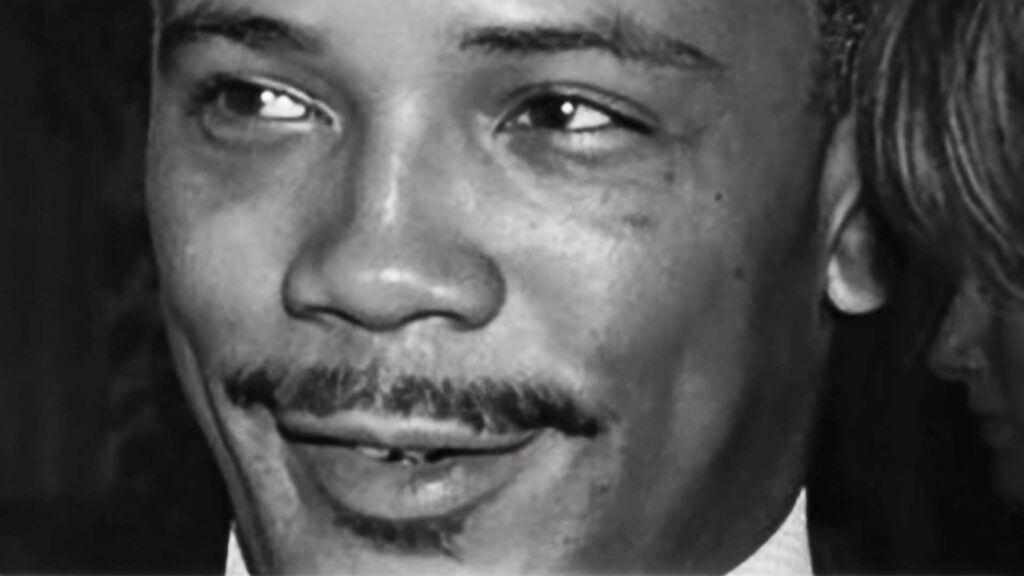
He wasn’t boxed into “just a player.” He was already stepping into composer territory. That shift shows up clearly in the photos. Less spotlight, more control. Less performance, more direction.
Inside Quincy Jones’ Early Studio Work With Jazz Legends
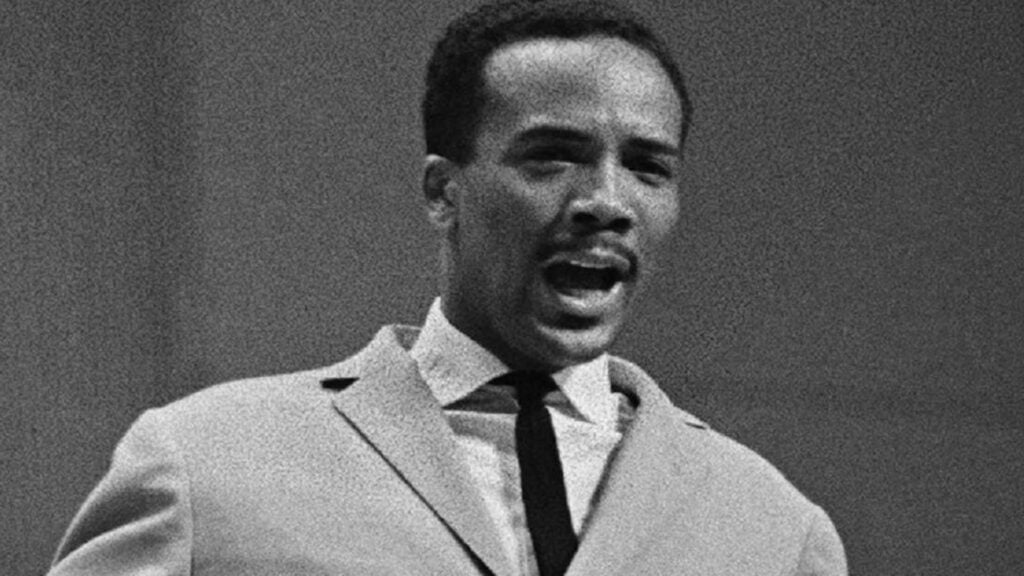
Fast-forward a bit and you start seeing studio photos. The vibe changes. Less stage lights, more control rooms. Cigarette smoke hanging in the air. Reel-to-reel machines. Quincy behind glass, not in front of a mic.
How Quincy Jones Worked With Frank Sinatra And Count Basie
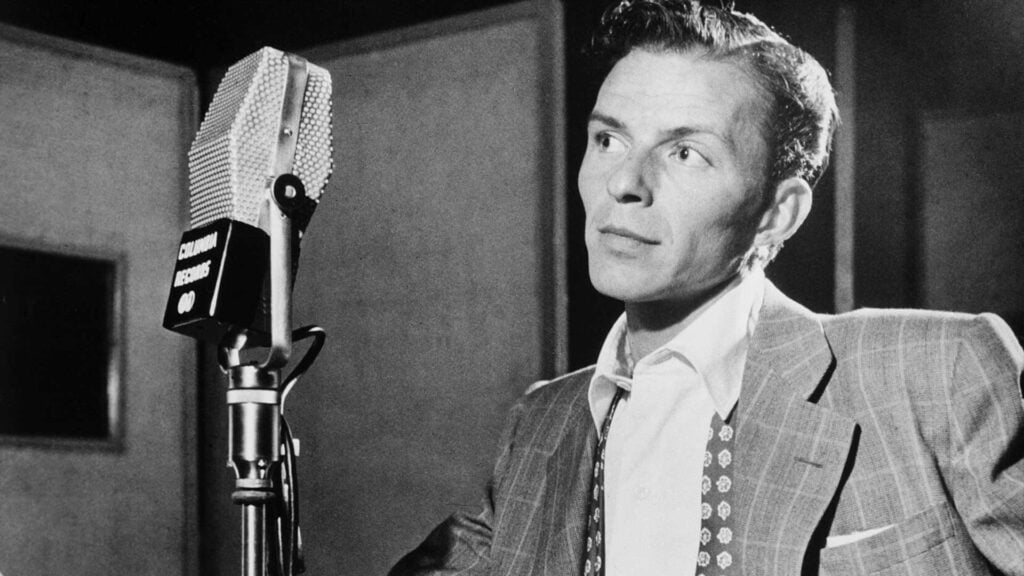
This is where things get serious. Arranging for artists like Frank Sinatra, Count Basie, Sarah Vaughan. You look at those photos and realize he’s not chasing fame. He’s building a sound.
Quincy Jones Becoming A Record Label Executive In The 1960s
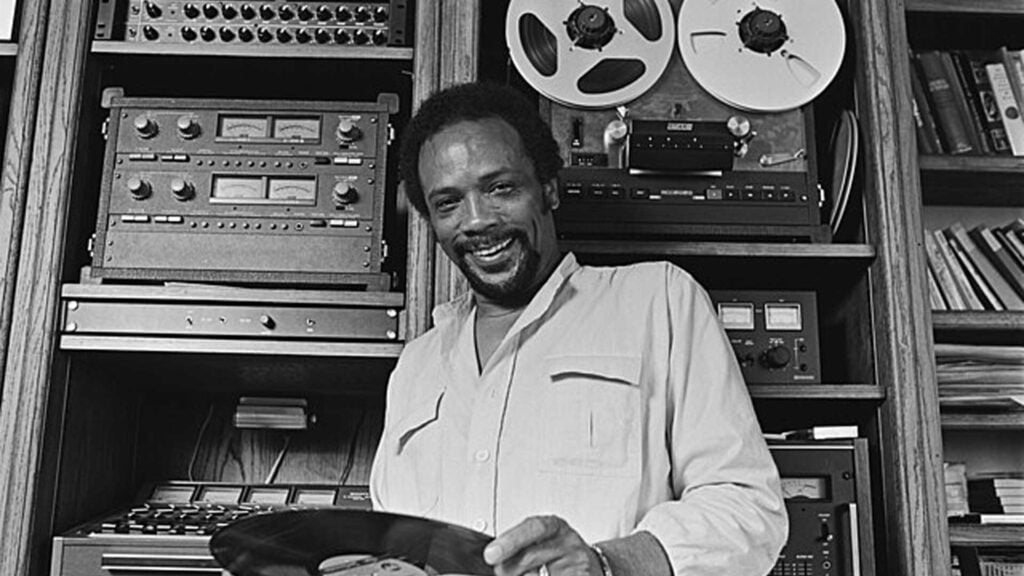
One of the more telling images comes from the 1960s. Quincy Jones in a recording booth, sleeves rolled up, fully locked in. That’s around the time he becomes one of the first Black executives at a major label. That matters in a way that doesn’t need loud headlines. It changed who gets to make decisions.
Quincy Jones And His Breakthrough In Film Scoring
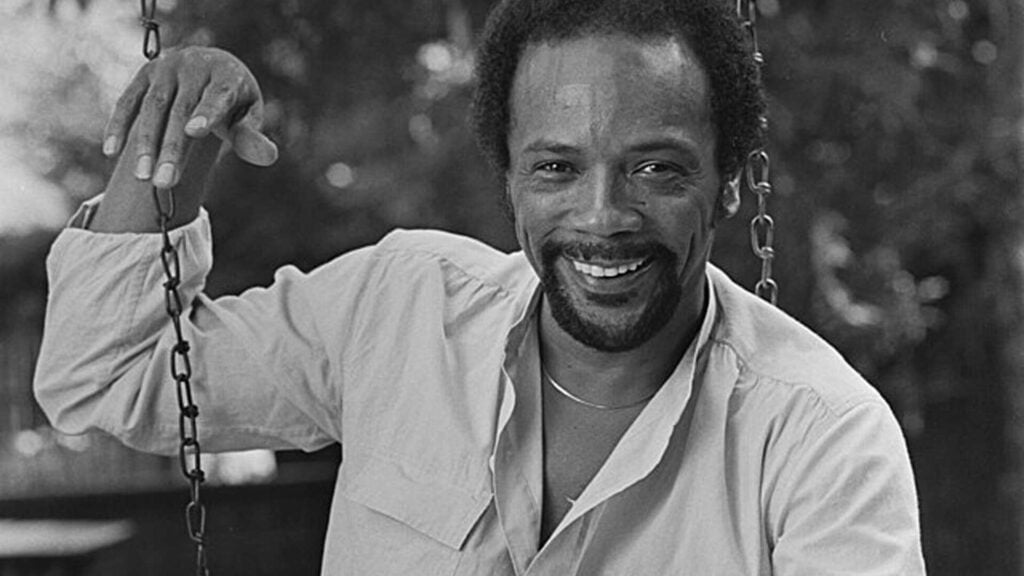
Then the film scores. There’s a photo of him working on In the Heat of the Night in 1967. Headphones on. Focused. Locked in.
The Story Behind Quincy Jones’ Work On In The Heat Of The Night
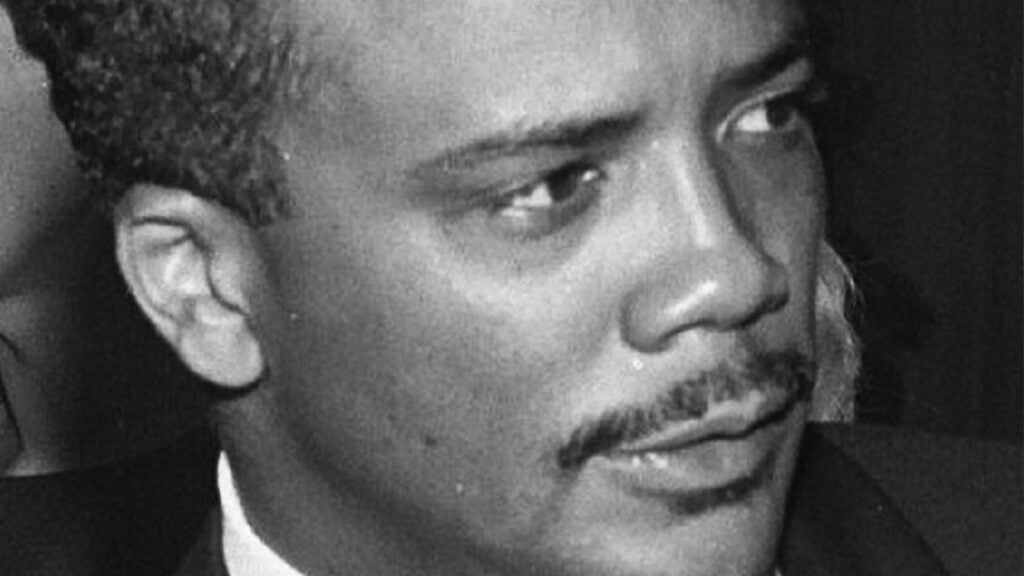
That score didn’t just sit quietly in the background. It pushed tension. Built atmosphere. You can almost hear it just by looking at him in that moment.
How Quincy Jones Approached Film Music Differently
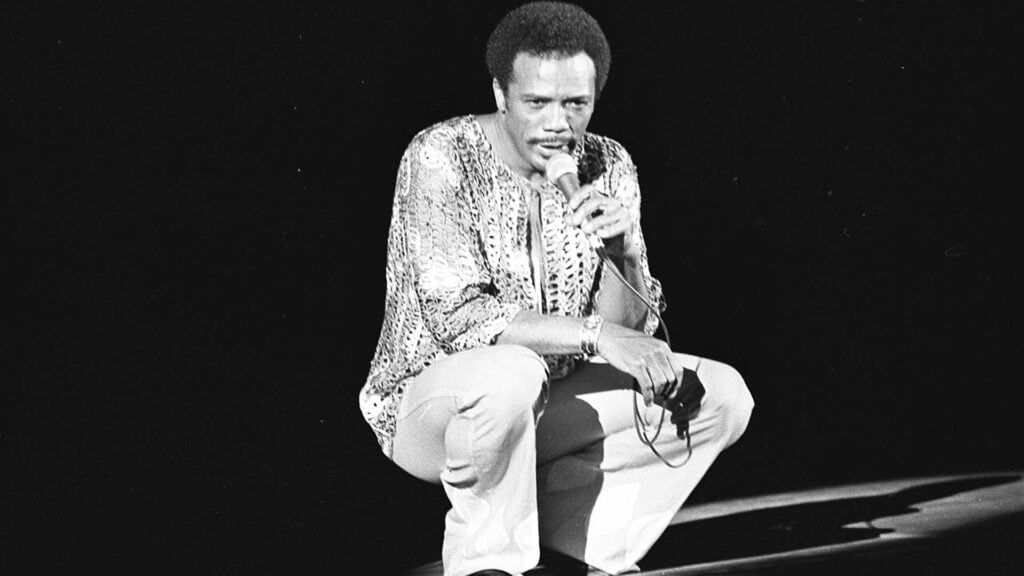
Same with The Italian Job. Quincy Jones didn’t treat film music like filler. He treated it like storytelling. Like another character in the room.
Quincy Jones And The Evolution Of His Production Style
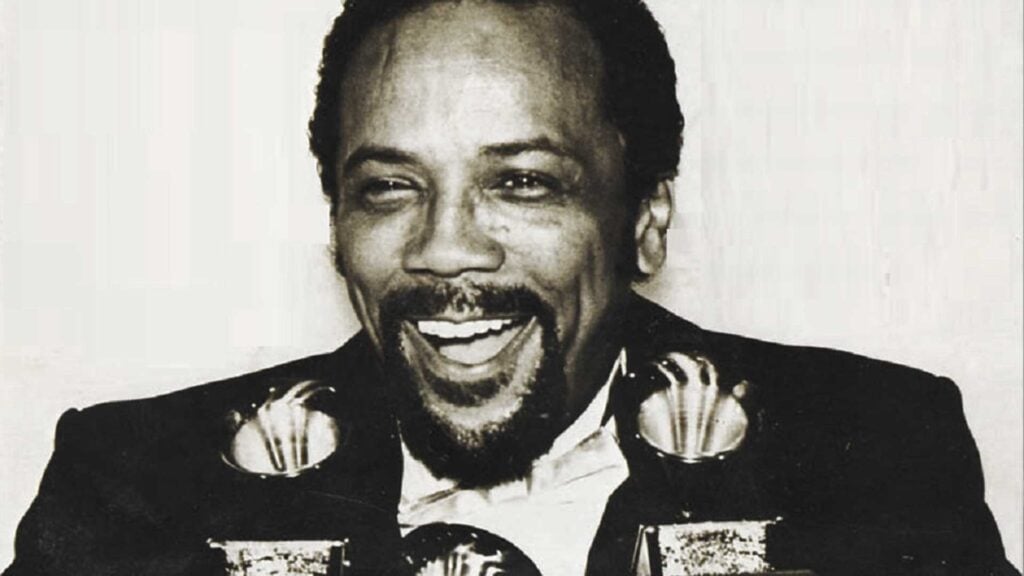
By now, the photos start to feel different. He’s not learning anymore. He’s refining. Adjusting. Moving between genres without asking permission from anyone.
The Beginning Of Quincy Jones And Michael Jackson’s Partnership
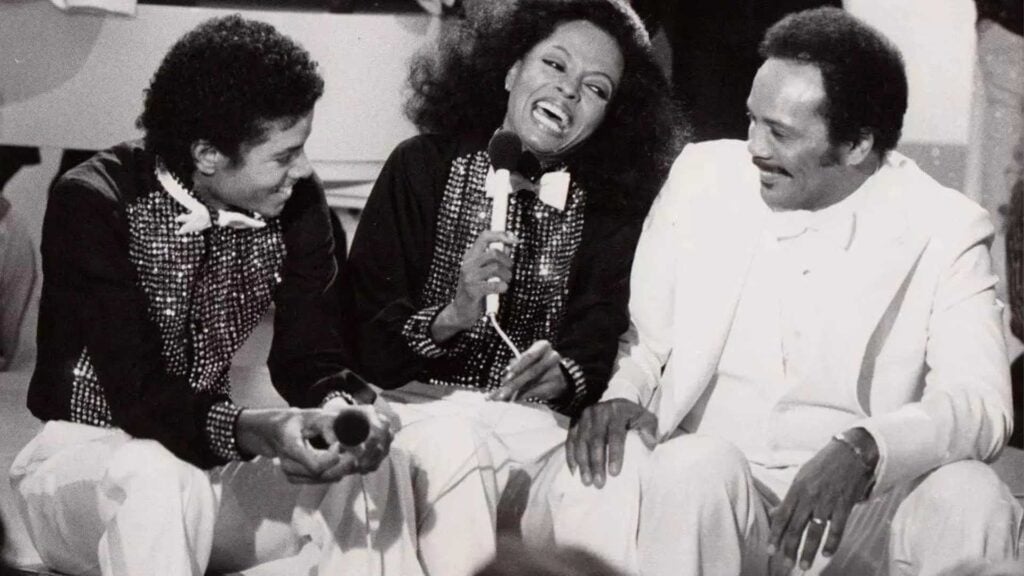
But let’s be honest. When most people picture Quincy Jones, they land somewhere in the late 70s and early 80s. That’s where things go from impressive to ridiculous.
There’s that iconic studio shot with Michael Jackson during the Off the Wall sessions. Quincy leaning in, listening. Michael mid-thought. Two different energies colliding.
Recording Off The Wall And Changing Pop Music Forever
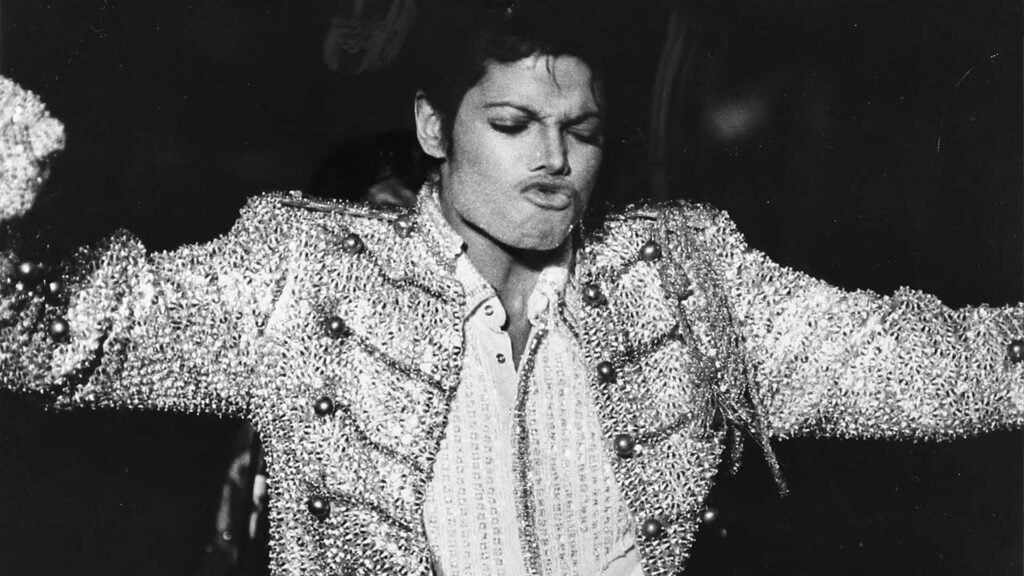
One grounded in decades of experience. The other bursting with raw instinct. That partnership changed pop music. No exaggeration.
The Making Of Thriller With Quincy Jones Behind The Desk
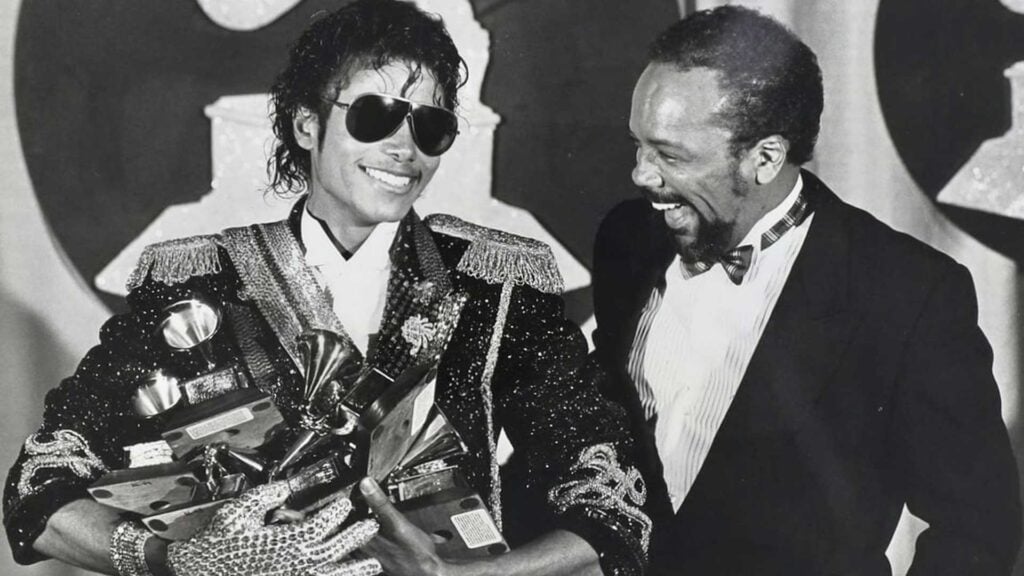
Then Thriller. You’ve seen the photos. Everyone has. Quincy Jones in the studio, orchestrating what would become the biggest-selling album of all time. You can almost hear Billie Jean, Beat It, Thriller just by looking at those images.
He once said, “If you want to be successful in this business, you have to learn how to listen.” That line sticks. Because when you look at those photos, that’s exactly what he’s doing.
Quincy Jones’ Production Secrets That Shaped Iconic Hits
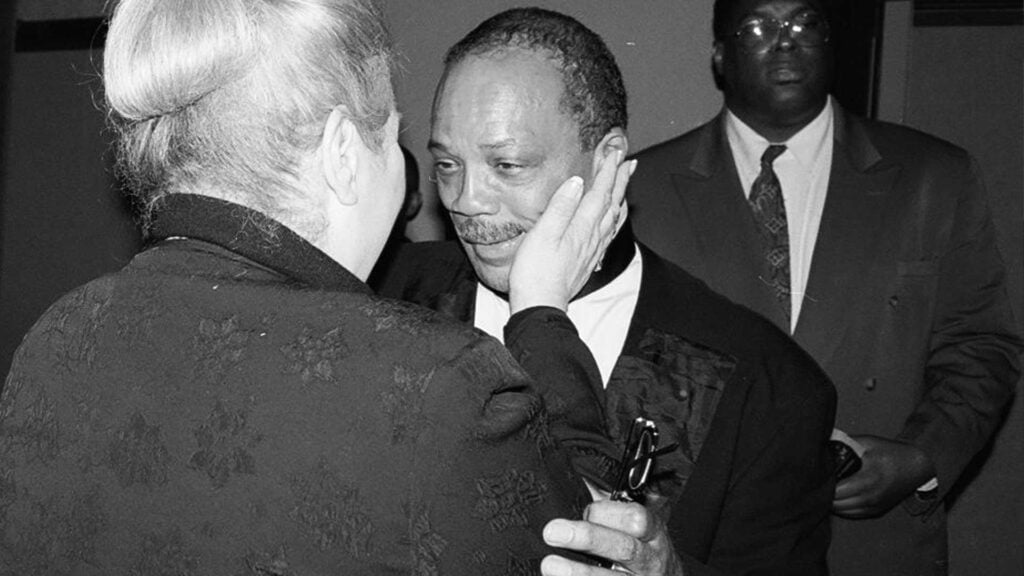
Listening. To artists. To arrangements. To what a song needs instead of what ego wants.
The Night Quincy Jones Led The We Are The World Session
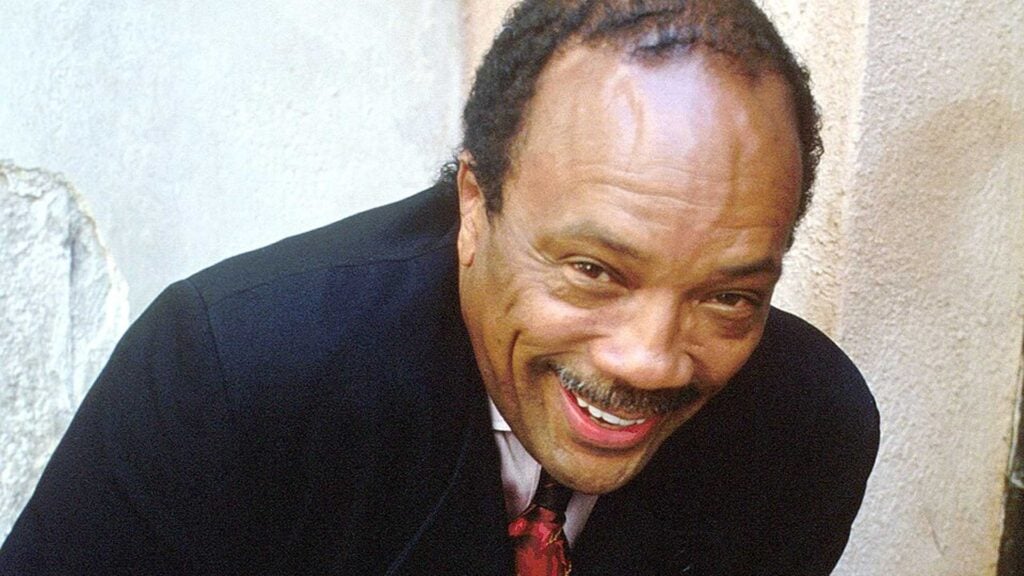
The 1980s don’t slow him down either. There’s a photo from the We Are the World recording session in 1985. The room is packed. Stevie Wonder, Bruce Springsteen, Diana Ross, Lionel Richie.
Quincy Jones Managing Dozens Of Music Legends In One Room
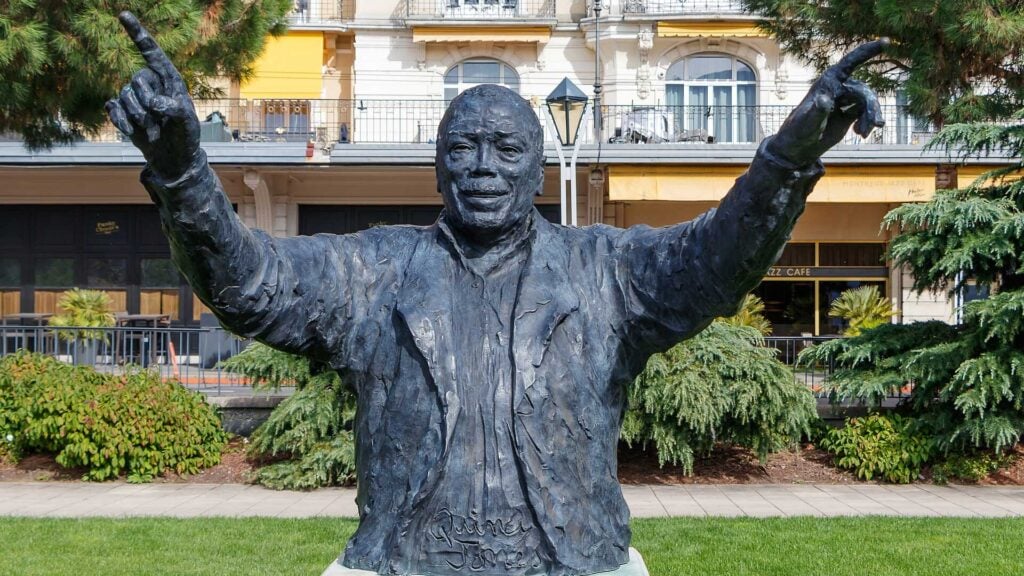
It looks chaotic. It probably was. But Quincy’s right there, holding it together. Someone had to. That song raised millions for famine relief. That’s not just music anymore.
Quincy Jones’ Later Years And Continued Influence In Music
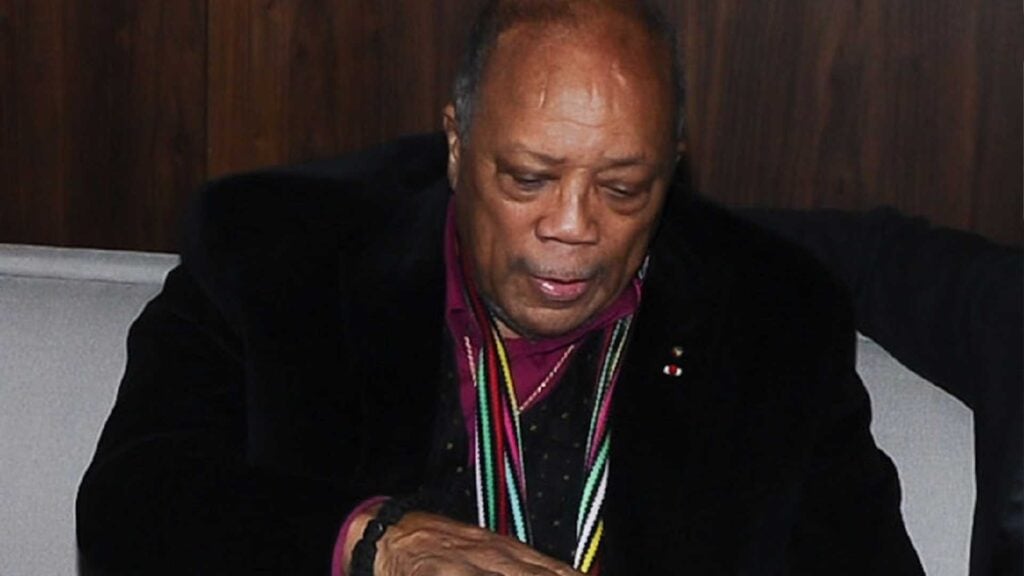
Flip through more recent images and you’ll see an older Quincy Jones. White hair. Calm presence. Still sharp. Still involved.
And here’s where it gets interesting for you. Because when you look at Quincy Jones’ life through photos, it’s easy to get stuck on the big moments. The Grammys. The platinum records. The celebrity circles.
Why Quincy Jones’ Legacy Still Shapes Modern Sound Today
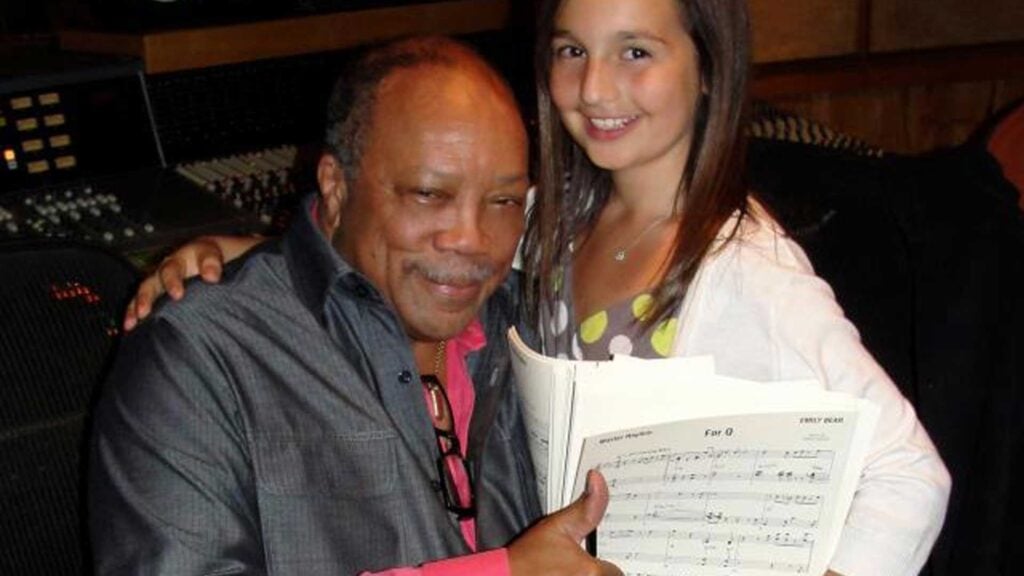
But the real story sits in the in-between shots. The quiet studio sessions. The rehearsals. The moments where nothing looks dramatic, yet everything is being built.
That’s where the work lives.
You start noticing patterns. He shows up. He studies. He adapts. From jazz to pop to film scores, he doesn’t cling to one lane. He moves. Adjusts. Learns new sounds without losing his foundation.
There’s a photo from later in his life, sitting back, smiling slightly, almost like he’s in on a joke no one else quite gets. That image sums it up better than any award list ever could. He knows how far he’s come. From Chicago in the 1930s to shaping global music for over half a century.
You don’t get that from one lucky break. You get that from decades of showing up, listening, and pushing things forward.
And when you flip through those photos again, you start seeing it differently. Not as a highlight reel, but as a blueprint. One that doesn’t shout. It just sits there, quietly saying this is what it looks like when someone refuses to stay in one box.
That’s Quincy Jones. Not just a musician. Not just a producer. A constant presence in the background of music history, making sure everything sounds just right.
RELATED: Michael Jackson Had Many Secrets. Here’s 10 You Won’t Find In His New Movie