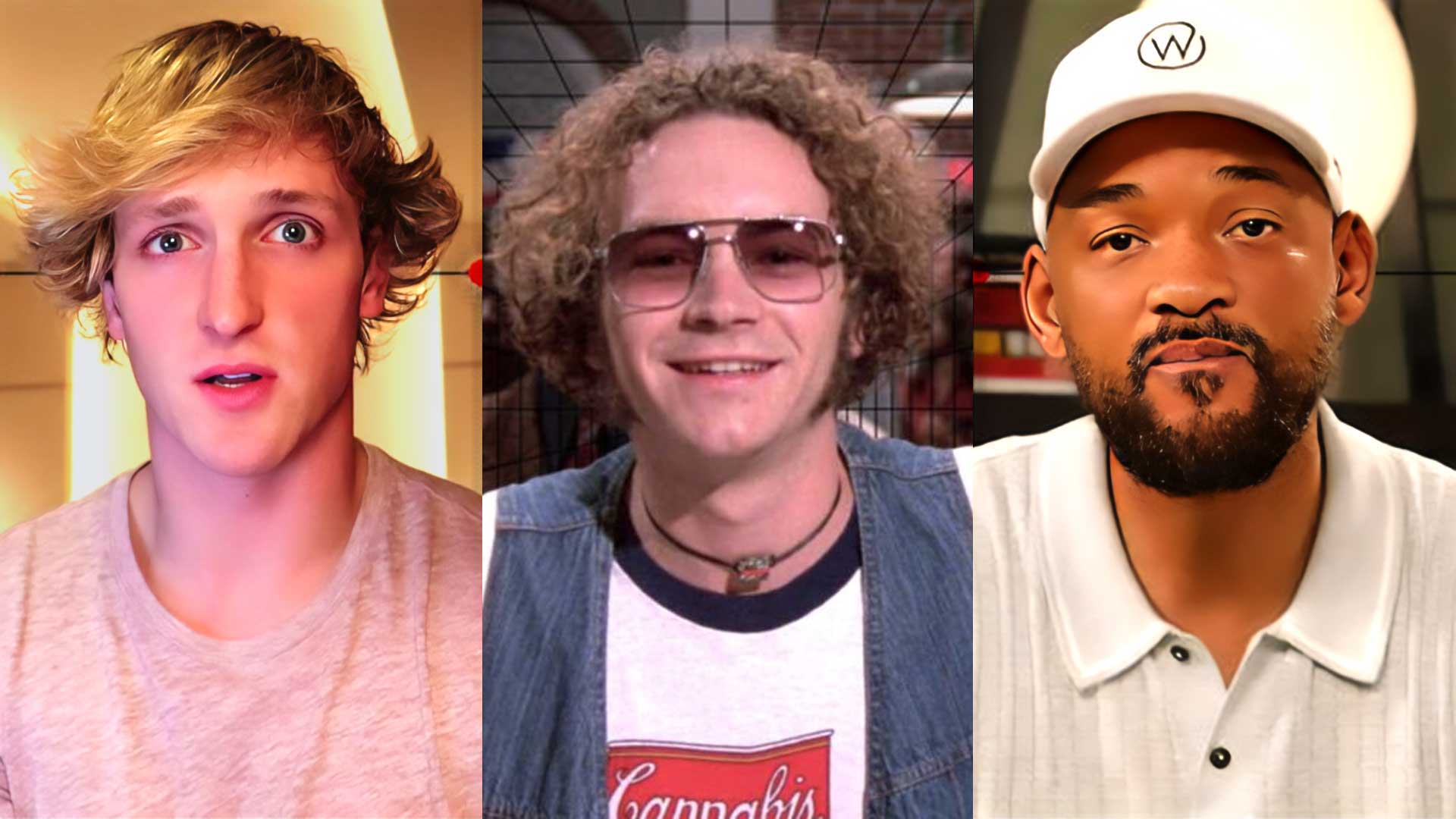


When famous faces slip up, the apology tour often crashes harder than the scandal. Take Logan Paul, 22 at the time, who posted a 2017 video from Japan’s Aokigahara forest and followed it with a notes-app apology that felt rushed and defensive. Or Alec Baldwin telling ABC he felt “no guilt” after the Rust tragedy. You watch these and think, who approved this strategy? Sometimes silence would’ve said more.
Kanye “Ye” West
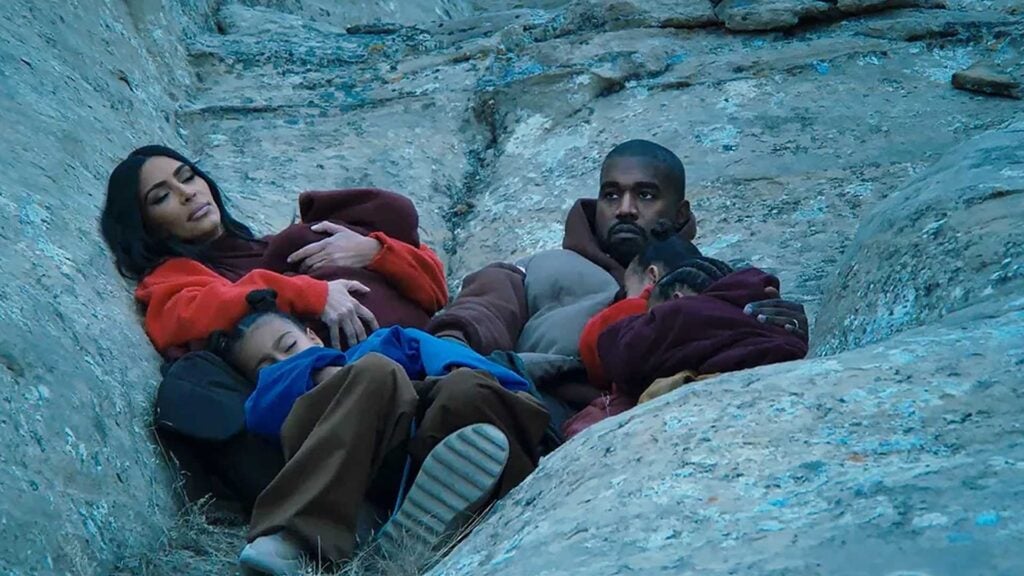
Kanye West, now legally Ye, once sat comfortably at the top of hip-hop. Born in 1977, he built an empire off albums like The College Dropout in 2004 and Graduation in 2007. Then 2022 happened. You saw it unfold in real time. Tweets targeting Jewish people. The bans. The backlash. And then that “InfoWars” appearance where he said, “I like Hitler” and openly identified as a Nazi while denying the Holocaust. Brands walked. Fans checked out.
In 2023, he posted an apology after watching Jonah Hill in 21 Jump Street, writing that the film made him “like Jewish people again.” It didn’t land. A more polished statement followed. People still weren’t buying it. By 2025, he doubled down with more anti-Semitic remarks. Another apology came late that year. But none of the apologies landed.
James Corden
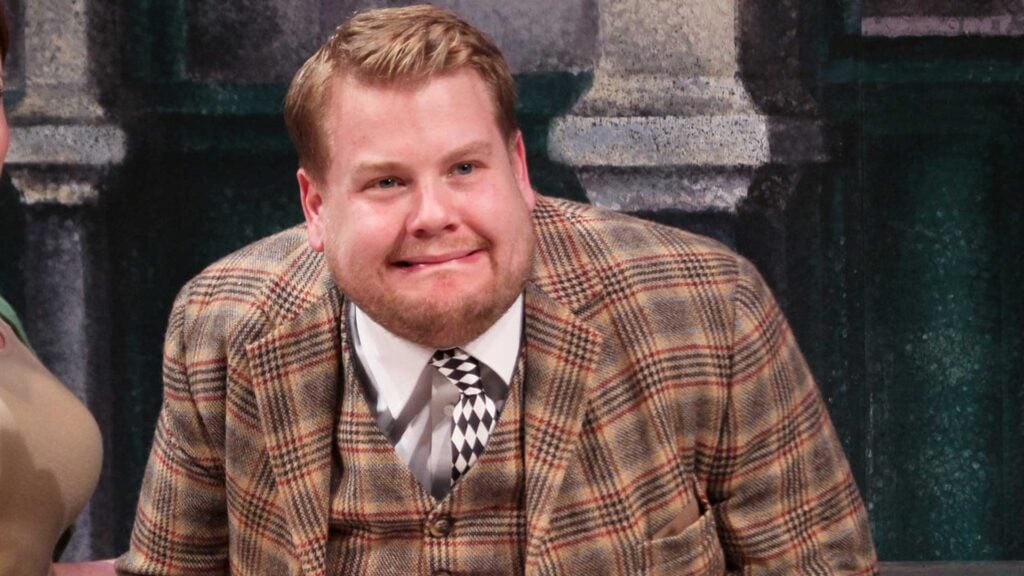
James Corden has gone from Britain’s cheeky Gavin & Stacey co-creator to one of America’s most side-eyed imports. His run on The Late Late Show with James Corden made him a household name in 2015. It also made him divisive.
In October 2022, Balthazar owner Keith McNally called him the “most abusive customer ever.” The drama? An egg-yolk omelette for wife Julia Carey arrived with egg whites. Staff were rattled. A server reportedly left in tears. When pressed, Corden insisted he’d “done nothing wrong.” The apology came later. After the backlash stuck.
Chris Brown
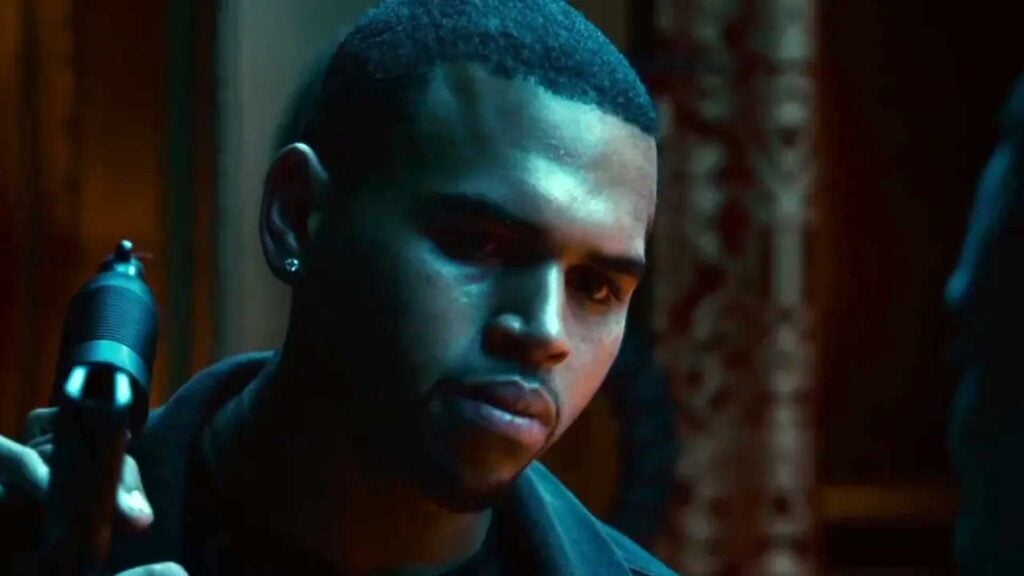
Chris Brown derailed his own career with the 2009 assault of Rihanna. That moment didn’t just spark headlines; it built a rap sheet long enough to earn its own Wikipedia page. Since then, the singer has cycled through apologies, a charity launch, and a 2017 documentary, Chris Brown: Welcome to My Life, all aimed at rebuilding trust. Yet the court dates keep stacking up. You can’t rebrand if you won’t reset. At some point, staying out of trouble might do more for his legacy than another album drop.
James Franco
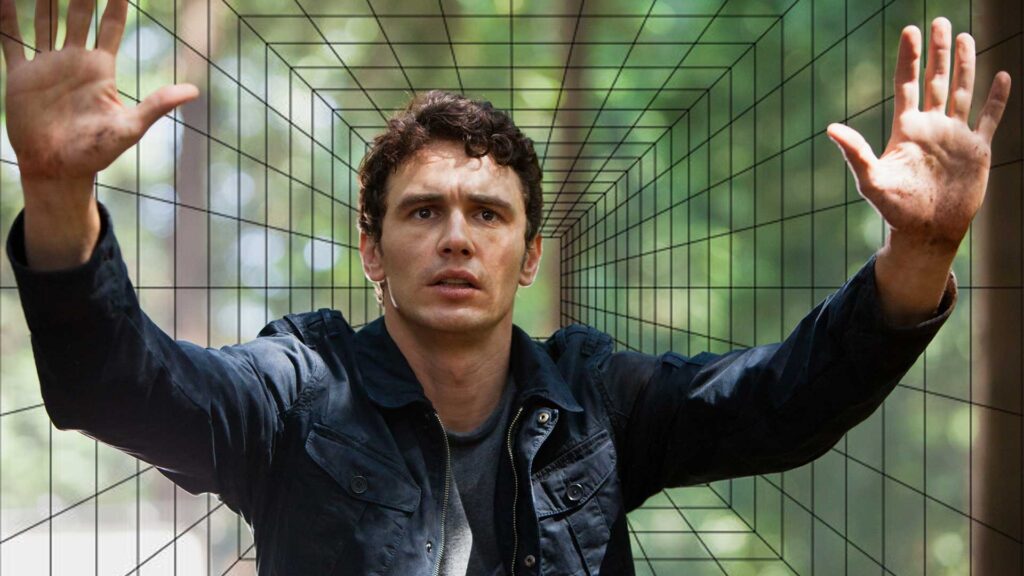
In 2014, James Franco thought a tweet would fix everything. After a teenager posted their private messages, he wrote, “I hope parents keep their teens away from me.” It didn’t land. Four years later, in 2018, more women accused him of exploiting his position as an acting teacher. A lawsuit followed and, in 2021, the case settled in the victims’ favor. Months after that, Franco admitted he had intimate relationships with students but blamed “sex impulses.” You don’t need a PR degree to see why that answer frustrated people. Accountability isn’t optional when you’re the one in charge.
Danny Masterson
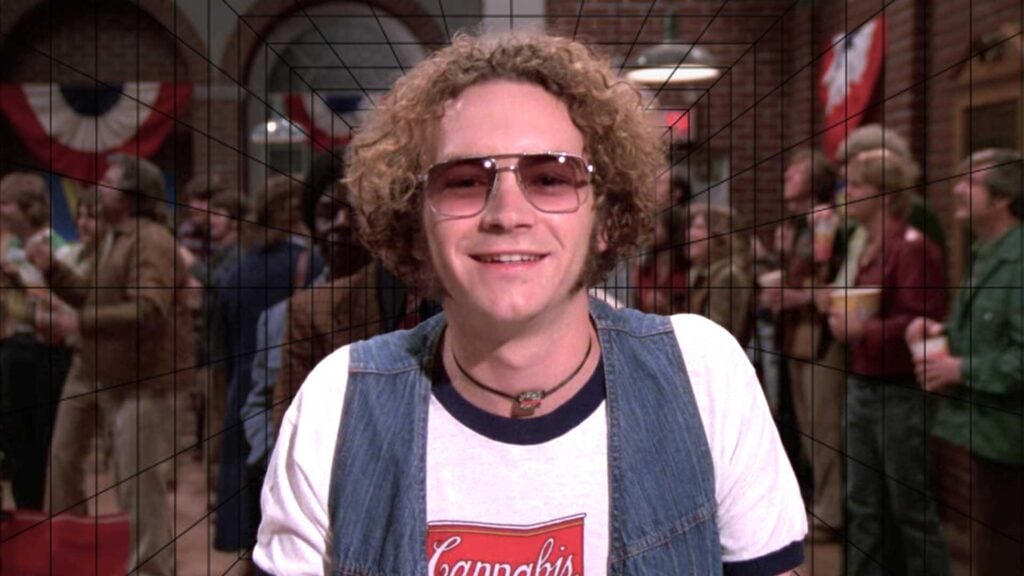
When That ’70s Show launched in 1998, 22-year-old Danny Masterson became a household name as Steven Hyde, the sarcastic teen with the best one-liners in the basement. Off-screen, though, the story took a darker turn.
In 2020, prosecutors charged Masterson over assaults involving three women in the early 2000s. He denied every allegation. After a mistrial in 2022, a second jury convicted him in May 2023. The sentence landed in September: 30 years to life in prison. He still insists he’s innocent, now pointing fingers at his legal team.
The Church of Scientology also surfaced in testimony, with allegations of interference, including claims of harassment aimed at the prosecutor and Los Angeles Police Department detectives.
For fans who grew up quoting Hyde, the contrast is hard to ignore. Fame at 22. Prison at 47.
Bill Cosby
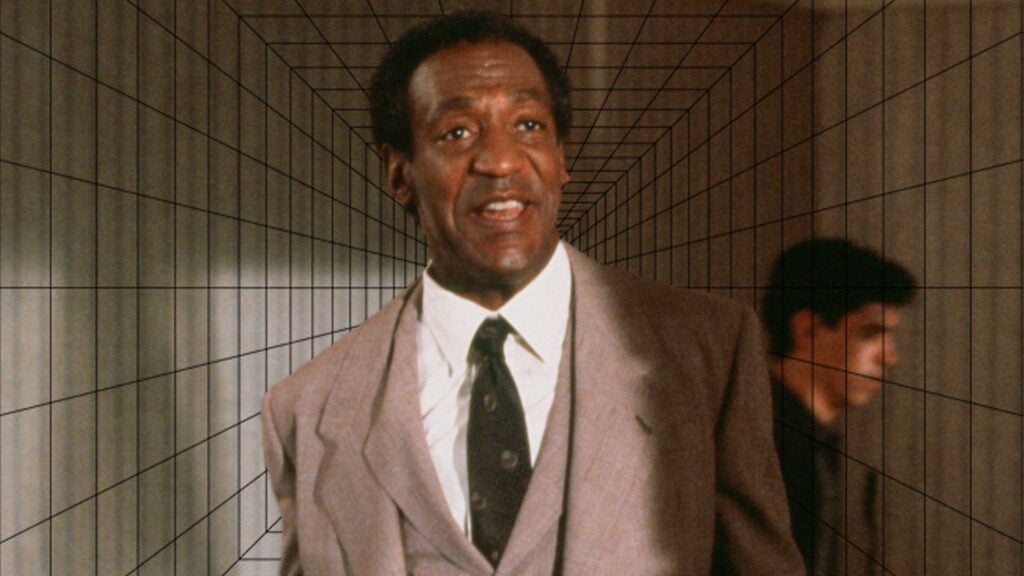
In the 1980s and 1990s, Bill Cosby, sold America the image of Cliff Huxtable on The Cosby Show and earned the nickname “America’s Dad.” That image collapsed hard. Decades of allegations led to a 2018 conviction and a prison sentence, though the Pennsylvania Supreme Court overturned it in 2021 on a technicality. Through it all, Cosby has insisted he’s innocent and refused to shift his stance.
Then came 2014. He tweeted, “Go ahead. Meme me.” The internet obliged. Within hours, timelines filled with references to the allegations. The tweet vanished, but the damage stuck. You can’t crowdsource a comeback when the crowd hasn’t forgotten.
Ellen DeGeneres
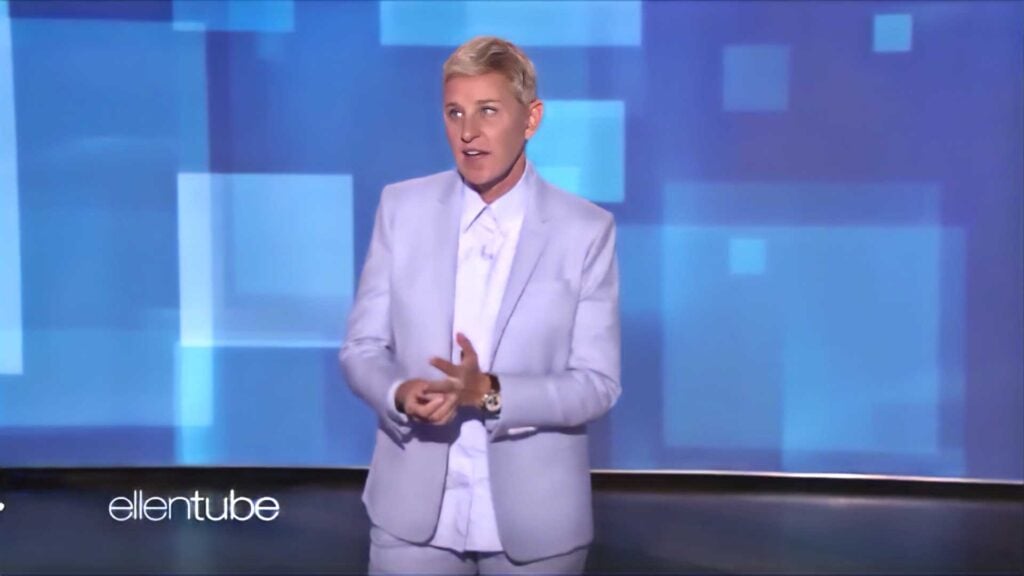
For nearly two decades, Ellen DeGeneres, owned daytime TV. The Ellen DeGeneres Show ran from 2003 to 2022 and turned dancing in sneakers into a brand. Viewers bought the kindness. Then staffers spoke up about a toxic workplace. In 2020, she apologised and promised to “correct the issues.” By 2022, the curtain dropped for good.
Two years later, she claimed she was “kicked out of show business for being mean,” and even joked, “How can I be mean? I dance up steps.” That line didn’t fix much. Now she’s in England, quieter, off the stage, and far from Hollywood’s bright lights.
Elon Musk
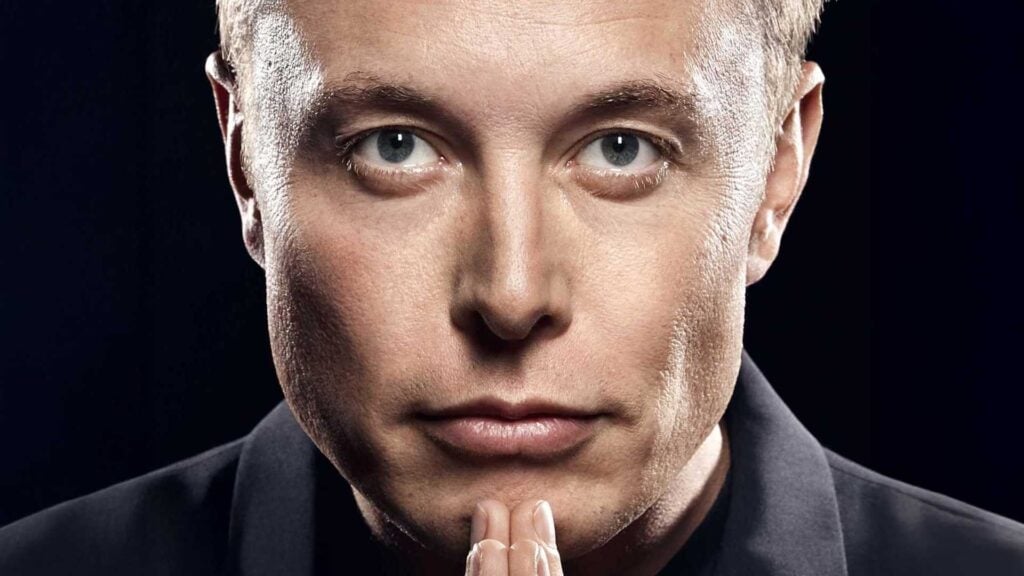
Elon Musk still knows how to hijack a headline. During Donald Trump’s second inauguration in January 2025, the billionaire tech boss delivered a stiff-armed salute that had social media in meltdown within minutes. Critics compared it to the fascist gesture popularised by Benito Mussolini and Adolf Hitler. Musk brushed it off on X, telling detractors they needed “better dirty tricks.”
Some rushed to defend him, calling it a Roman salute. Small problem: historians agree that salute never existed in ancient Rome. Eighteenth-century artists made it up. Italian Fascists later adopted it, chasing borrowed glory. History matters, even in 280 characters.
Andrew Mountbatten-Windsor
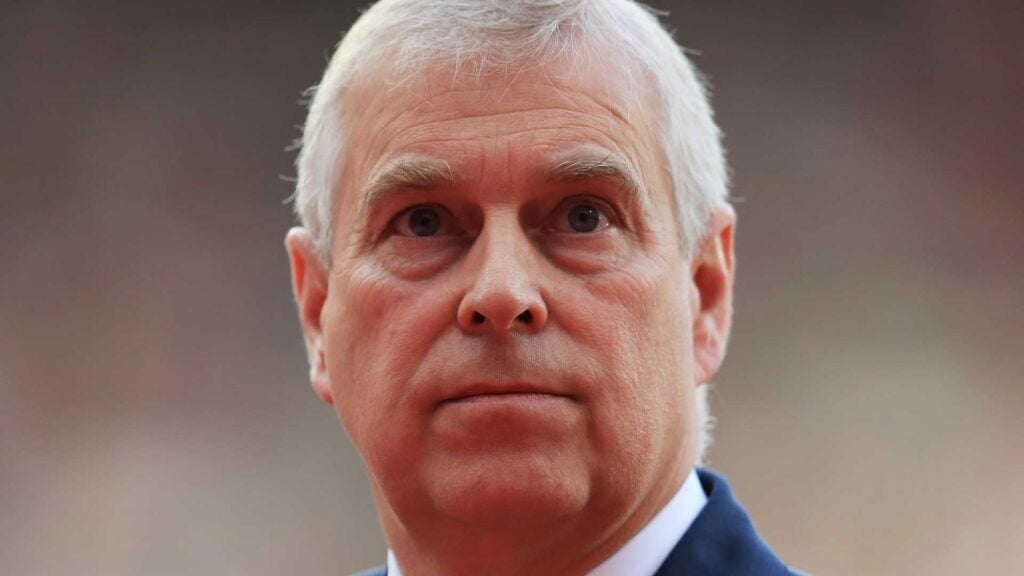
At 63, Prince Andrew has gone from royal spare to public cautionary tale. Stripped of his Duke of York title in 2022 after his links to Jeffrey Epstein refused to fade, Andrew’s biggest misstep wasn’t just the friendship. It was the 2019 sit-down with Emily Maitlis on Newsnight.
You probably remember it. Awkward pauses. Odd explanations. The internet had a field day. He thought the interview would reset the narrative. Instead, it froze it in place. He stepped back from royal duties days later, and the public mood hasn’t warmed since.
Kevin Spacey
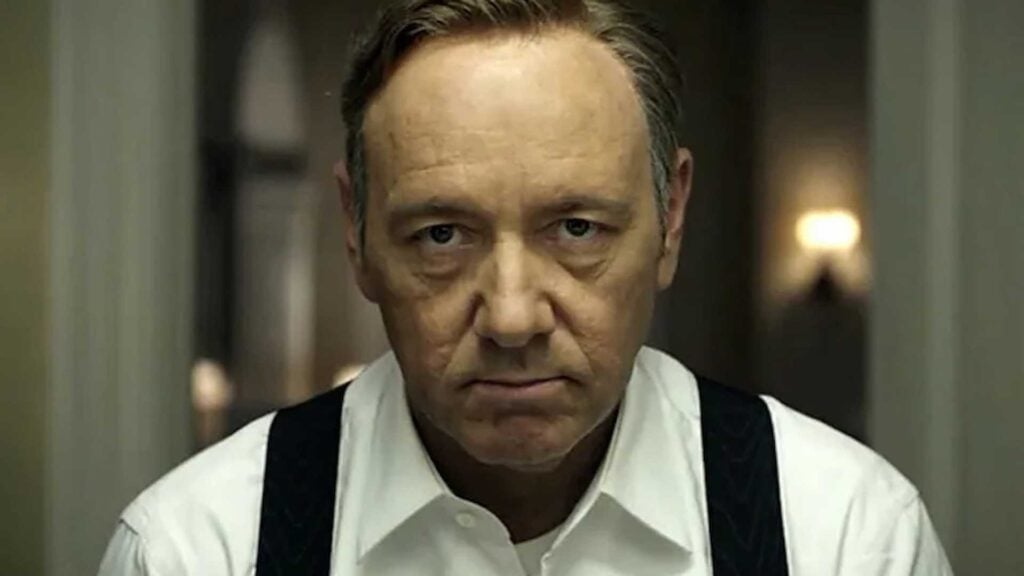
In 2017, Kevin Spacey went from awards darling to Hollywood exile in what felt like a weekend. Sexual misconduct allegations surfaced, and instead of owning the moment, he posted a statement that doubled as a coming-out announcement. He wrote, “I choose now to live as a gay man.” Many read that as a deflection, not accountability. The backlash was swift. Netflix cut ties, House of Cards wrote him out, and studios backed away. For years, he stayed off red carpets and screens. By the mid-2020s, he edged back into acting, but the industry he once ruled had moved on without him.
Will Smith
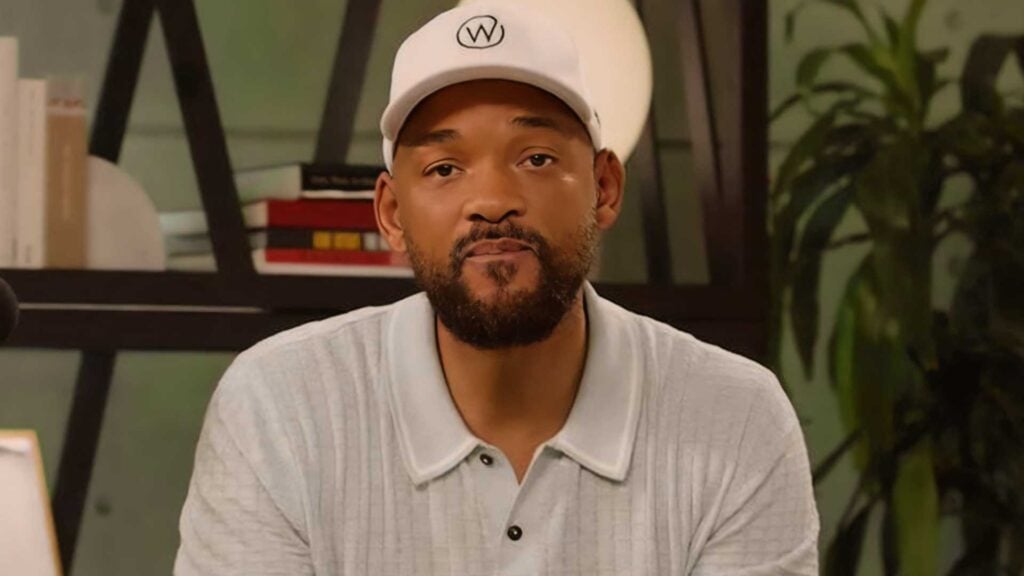
Months after the infamous Oscar night slap, Will Smith dropped an apology video that managed to be both stiff and overly polished. He apologized to “everyone,” including Chris Rock, while awkwardly reading pre-selected questions like he was stuck in a hostage Q&A. His delivery felt robotic, yet the set design was a masterclass in carefully curated earth tones, the kind you’d expect from a lifestyle influencer.
Michael Richards
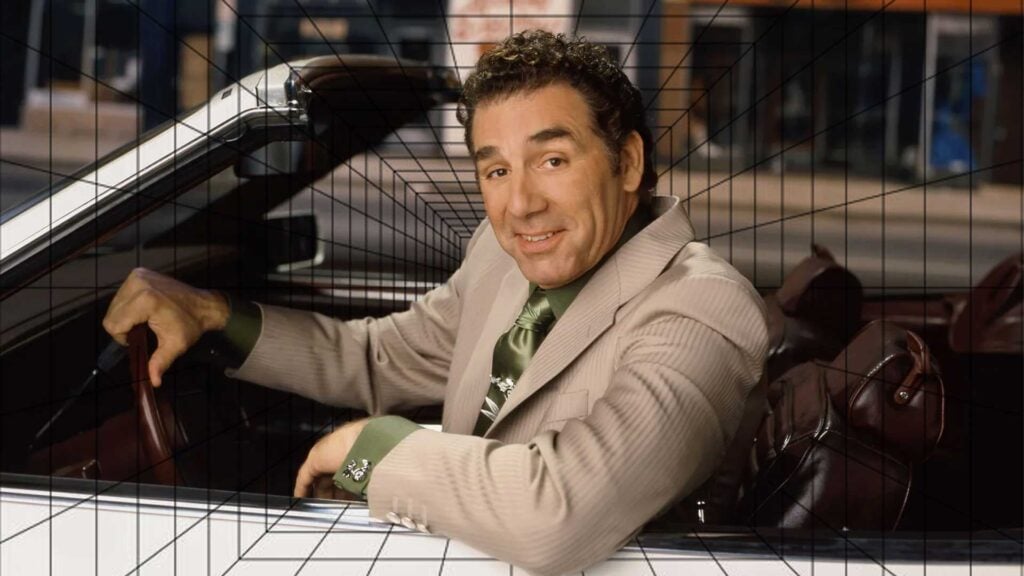
Michael Richards, forever remembered as Kramer from Seinfeld, torched his career in 2006 when he unleashed a racist tirade at a comedy club, repeatedly shouting the N-word at Black audience members. His damage control was a satellite appearance on The Late Show with David Letterman alongside Jerry Seinfeld. What unfolded was so surreal it could’ve been a Curb Your Enthusiasm bit. Richards awkwardly described flying into “a rage” and saying “pretty nasty things to some Afro Americans,” while the studio audience laughed, assuming it was a gag. Seinfeld snapped, “Stop laughing, it’s not funny”. But the moment was already beyond saving.
Colleen Ballinger
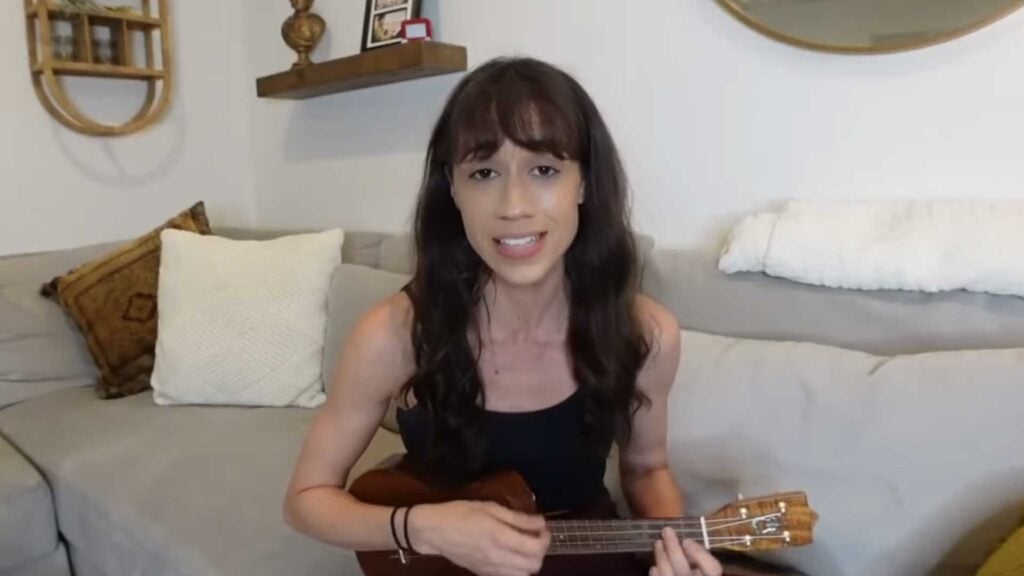
When Rolling Stone reported allegations of grooming and exploitation against YouTuber Colleen Ballinger, fans expected a serious response. Instead, she pulled out a ukulele. What followed was a 10-minute singalong apology, complete with chirpy strumming and lyrics downplaying the accusations as “mistakes.” The video instantly went viral for all the wrong reasons, cementing itself as what many have called the cultural low point of 2023. If there’s a guidebook on how not to apologize, Ballinger just wrote the first chapter.
Ja Rule
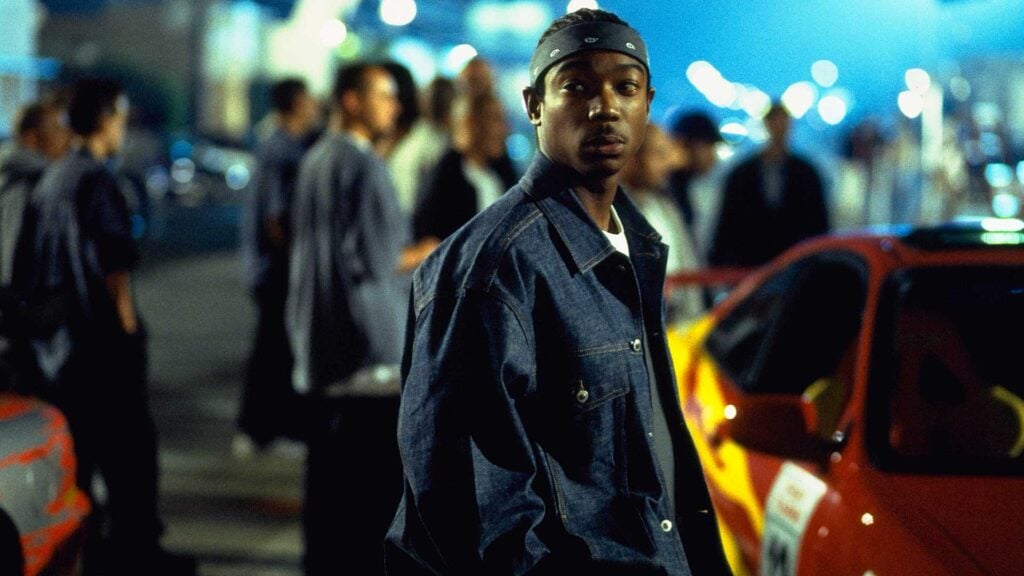
The 2017 Fyre Festival fiasco gave us luxury tents that looked like hurricane shelters and an apology worthy of the notes app hall of fame. Co-founder Ja Rule took to social media with the unforgettable lines: “My partners and I wanted this to be an amazing event it was NOT A SCAM” (it was, in fact, a scam) and “I truly apologize as this is NOT MY FAULT” (a court later decided he wasn’t liable, but still). It was the rare apology that managed to be defensive, hilarious, and totally unconvincing all at once.
RELATED: Hollywood Said They Weren’t Good Enough — 10 Actors Who Proved Them Wrong